- District
- Sha Tin, Tai Po and North Districts, New Territories
- How long
- 1 day
- MTR
- East Rail line (Sha Tin, Tai Po Market) and Tuen Ma line (Che Kung Temple)
- From Kowloon
- Kowloon Tong to Sha Tin ≈ 10 min; to Tai Po Market ≈ 20 min
- Top sights
- Ten Thousand Buddhas Monastery, Che Kung Temple, Hong Kong Heritage Museum
- Bruce Lee
- Heritage Museum exhibition, free, extended to 20 July 2029
In short
- Sha Tin and Tai Po are New Territories towns on the East Rail line, 10–25 minutes from Kowloon, with some of Hong Kong's most rewarding temples and museums.
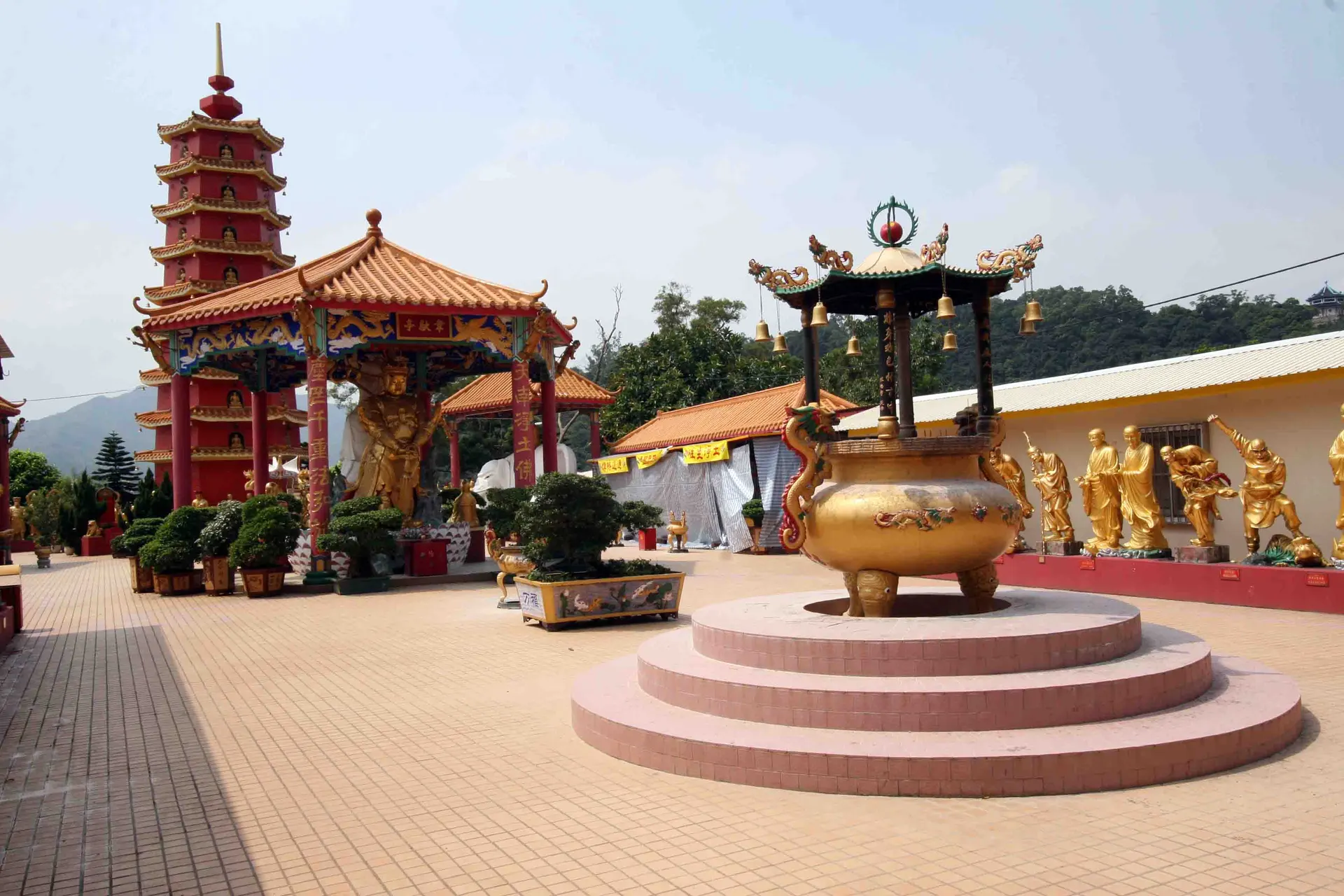
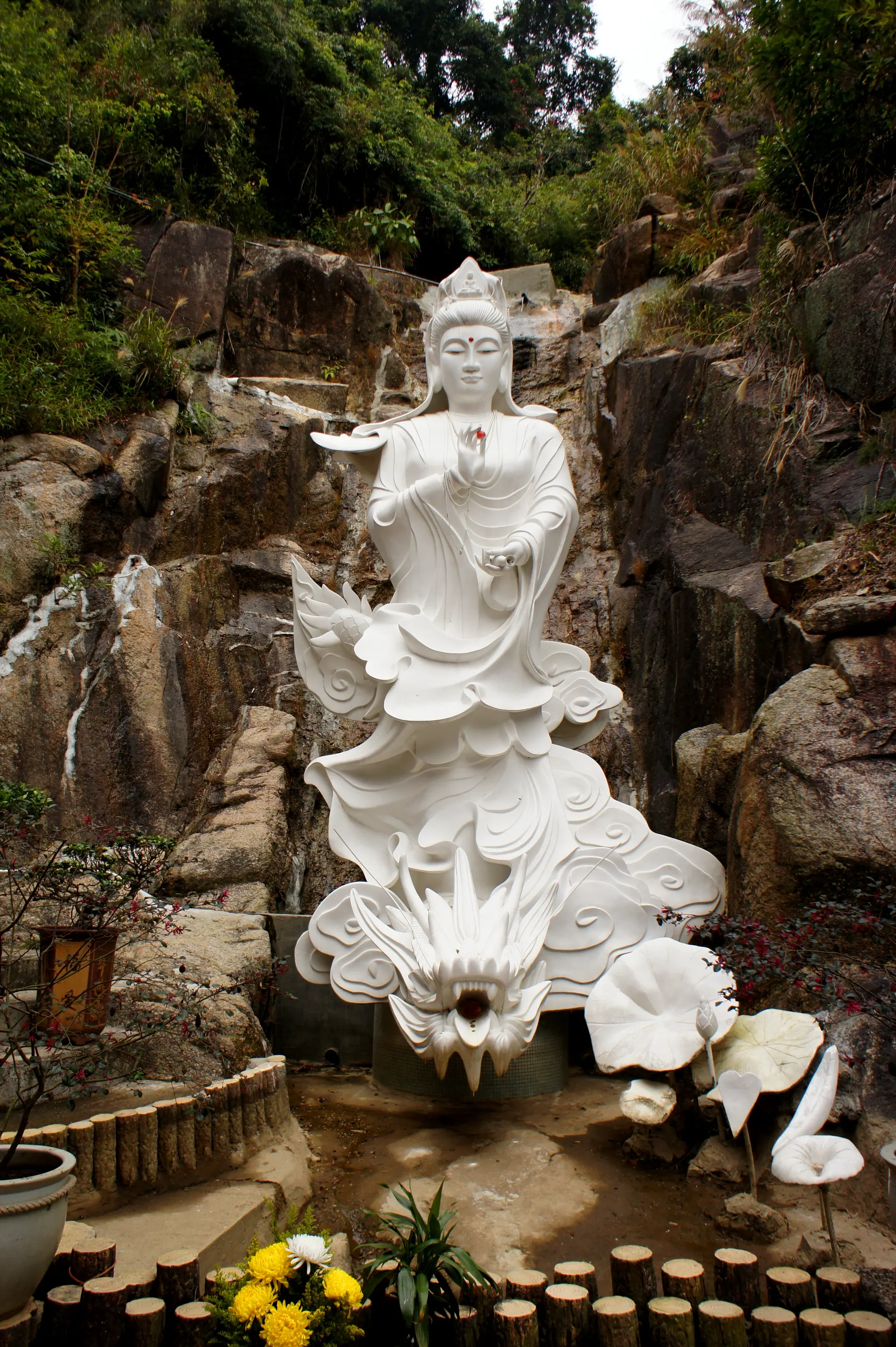
- The Ten Thousand Buddhas Monastery (萬佛寺) lines its hillside path with about 500 gilded arhat statues; the climb is more than 400 steps.
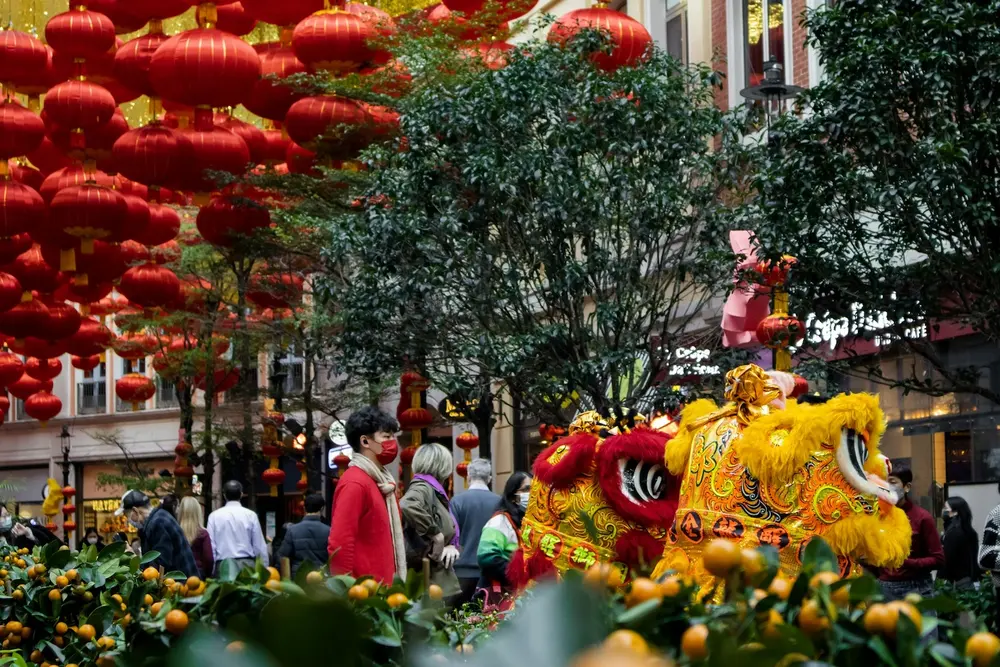
- Che Kung Temple (車公廟) in Tai Wai draws crowds at Lunar New Year; the Hong Kong Heritage Museum hosts a free Bruce Lee exhibition extended to 20 July 2029.
- Sha Tin Racecourse stages Hong Kong's biggest races, including the LONGINES Hong Kong International Races on 13 December 2026.
- Further north: Tai Po Market, the Railway Museum, the Lam Tsuen Wishing Trees, Tai Mei Tuk on Plover Cove and the walled villages of Fanling.
Why go to Sha Tin and Tai Po
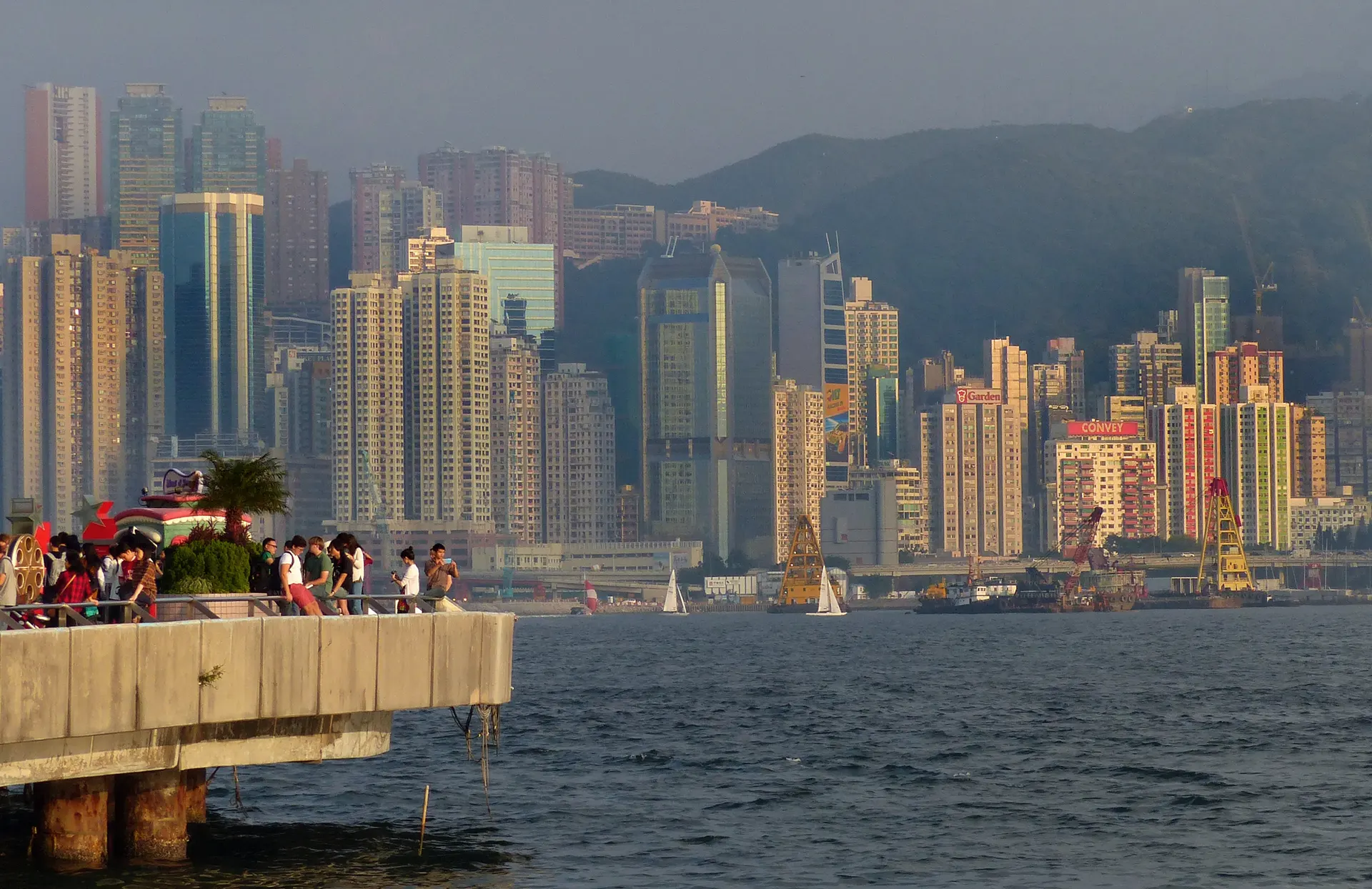
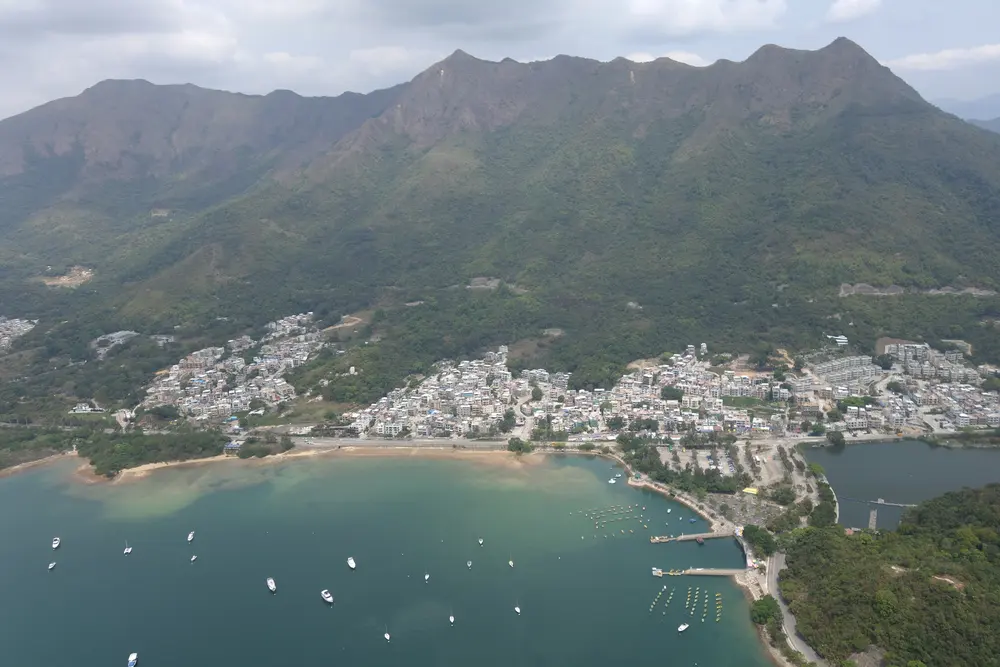
Sha Tin (沙田, saa1 tin4) was rice paddies and a sandy river mouth until the 1970s, when it became one of Hong Kong's first planned new towns. Today the Shing Mun River runs between parks and housing estates, the Chinese University sits on the hill above Ma Liu Shui, and the town centre around New Town Plaza is one of the busiest shopping areas outside the urban core. Tai Po (大埔, daai6 bou3), further up Tolo Harbour, is an old market town with a large new town grafted on.
For visitors the attraction is the mix. In one day on the East Rail line you can climb to a monastery full of golden statues, see a temple where people spin brass windmills for luck, visit a museum with Bruce Lee's costumes and letters, watch the races, and end up cycling along Tolo Harbour. Everything is close to a station, the trains are frequent, and most sights are free.
Book tours in Sha Tin & Tai PoLive times, prices and cancellation terms on GetYourGuide.
Check availabilityTen Thousand Buddhas Monastery
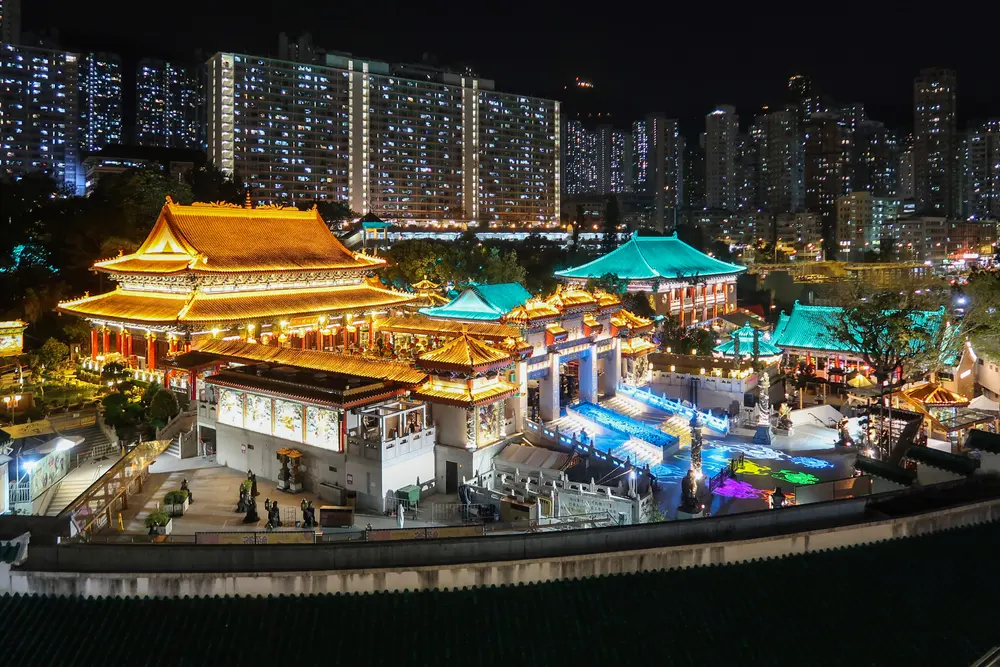
Built in the 1950s by the Buddhist teacher Yuet Kai (月溪), the Ten Thousand Buddhas Monastery (萬佛寺 maan6 fat6 zi6) is reached by a long, steep path from Sha Tin station lined with about 500 life-sized golden arhats, each with a different face and pose. The main hall holds about 13,000 small Buddha figures; a red nine-storey pagoda stands on the upper terrace. There are no resident monks, and the complex is run by lay people. The often-quoted figure of 431 steps is hard to verify – count on more than 400, and on summer heat.
Leave Sha Tin station by Exit B, walk down the ramp past the bus terminus and follow the signs through Pai Tau Village (排頭村) to the start of the path. Do not follow anyone offering to guide you to the ‘real' monastery; the signposted path is correct. Allow two hours.
Che Kung Temple and Tsang Tai Uk
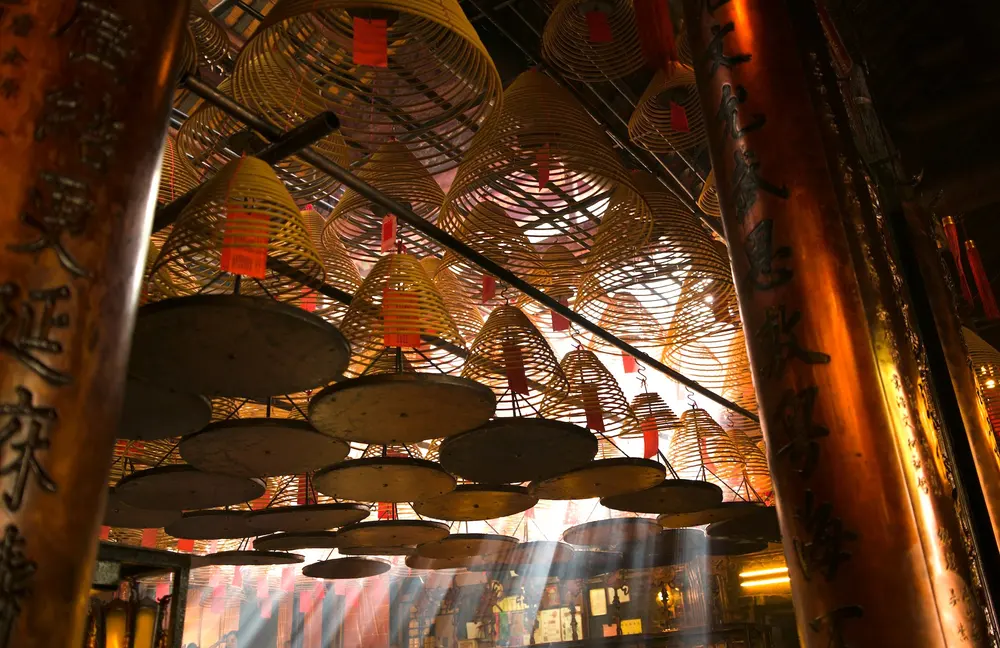
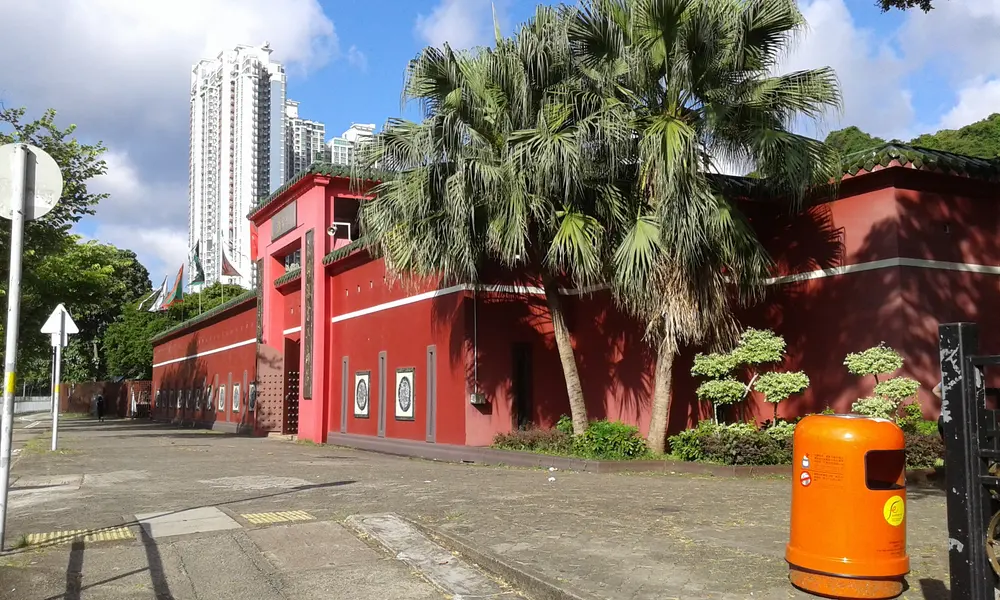
Che Kung Temple (車公廟) in Tai Wai honours a Song dynasty general credited with ending a plague. Inside the large modern hall, worshippers turn a brass fan wheel (風車) for good fortune and strike a drum; at Lunar New Year, especially on the third day (赤口), queues stretch along the road – on 8 February 2027 expect very large crowds. The temple is a short walk from Che Kung Temple station on the Tuen Ma line.
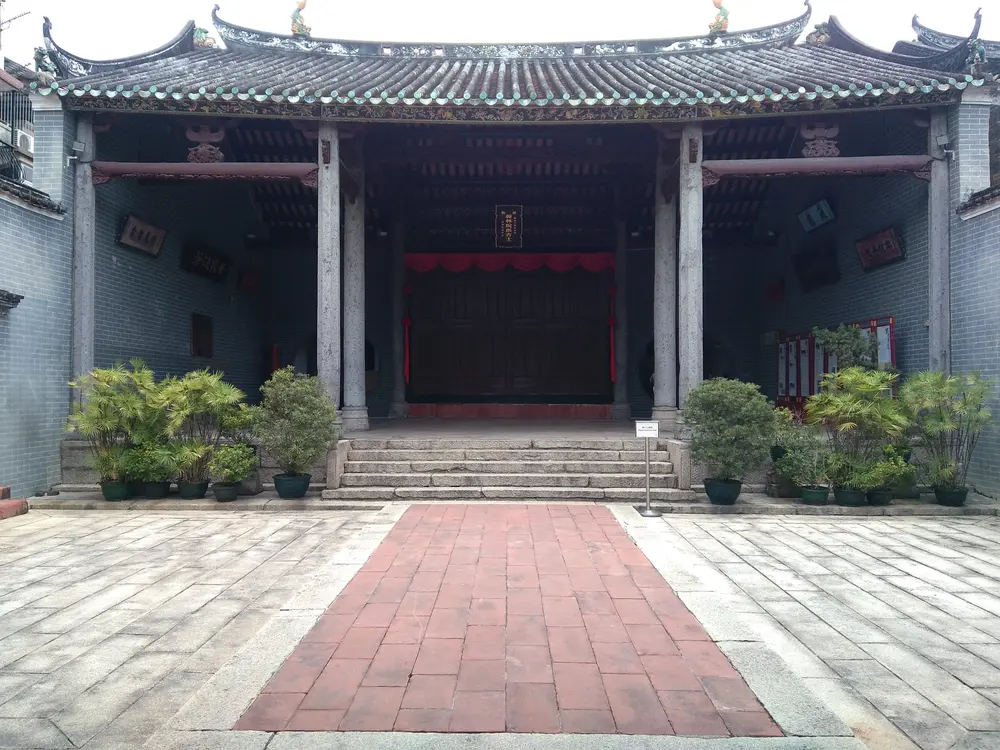
A few minutes away, Tsang Tai Uk (曾大屋) is a fortified Hakka walled village built in the mid-19th century by a stonemason's family, with corner watchtowers and thick granite walls. Families still live there; visit quietly and keep to the public courtyard.
Hong Kong Heritage Museum and the Bruce Lee exhibition
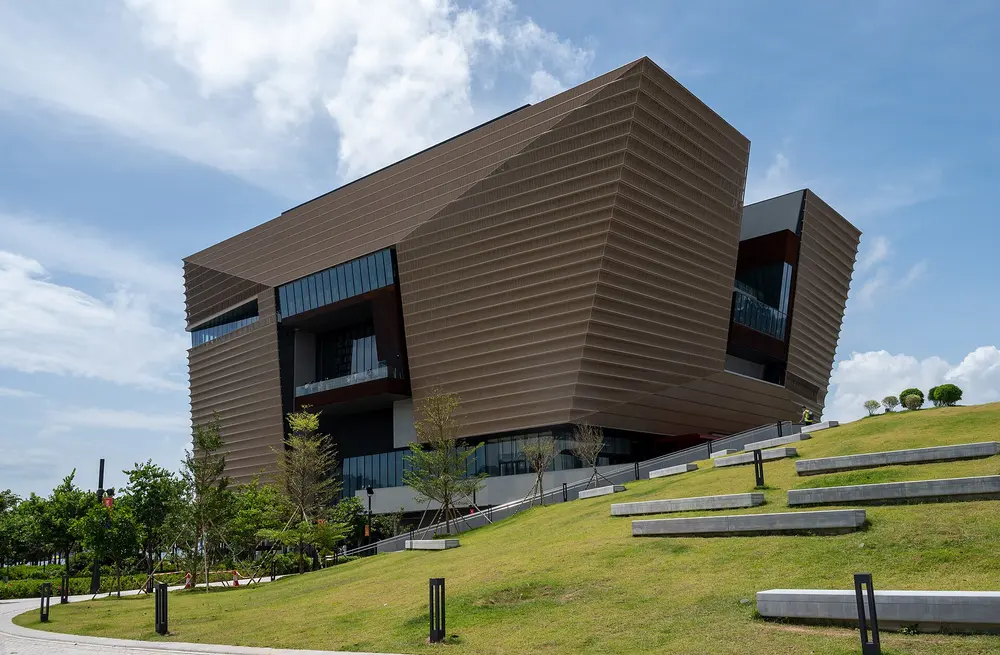
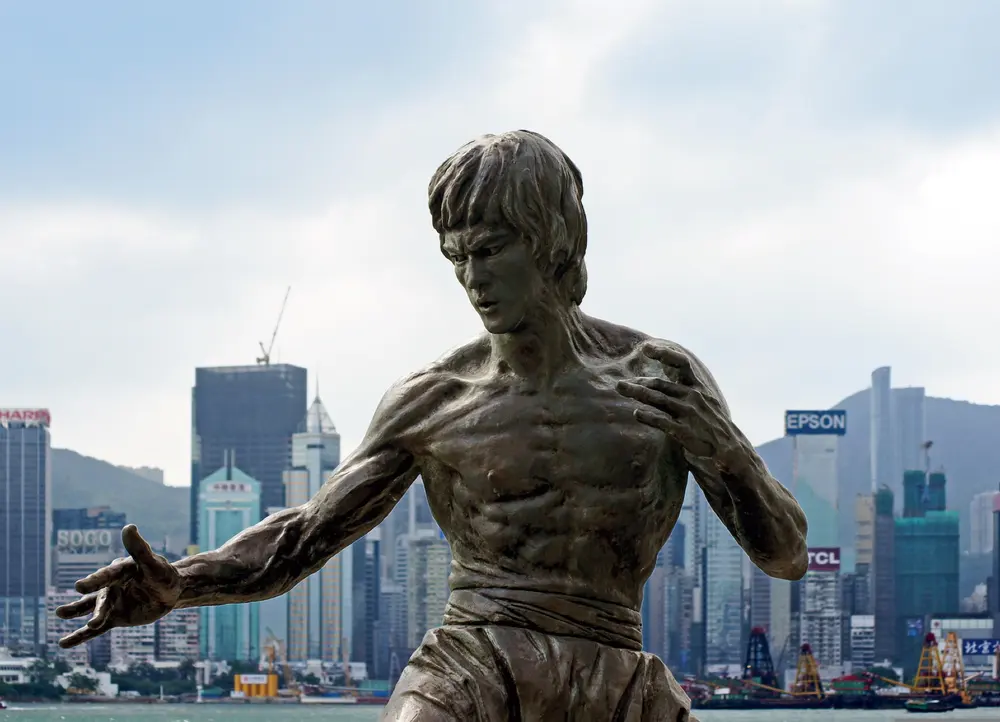
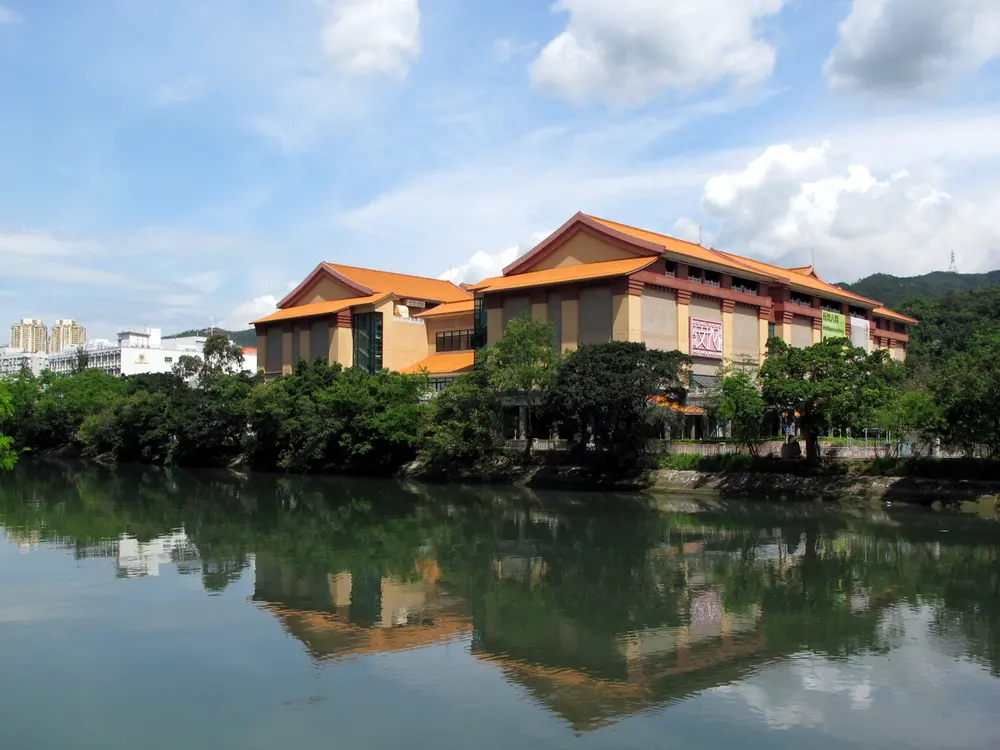
The Hong Kong Heritage Museum (香港文化博物館) at 1 Man Lam Road, beside the Shing Mun River, is the city's museum of local culture: Cantonese opera, New Territories village life, toys, design and pop culture. Its best-known show is ‘A Man Beyond the Ordinary: Bruce Lee' (非一般的李小龍), opened in November 2021 with about 400 items – costumes, letters, film props – many never shown before in Hong Kong. The exhibition has been extended to 20 July 2029 and is free. More on Bruce Lee sites across the city: Bruce Lee's Hong Kong.
The museum is a six-minute walk from Exit A of Che Kung Temple station. Weekday hours are 10:00–18:00 (Monday and Wednesday to Friday); it closes on most Tuesdays like other LCSD museums, and the box office closes 30 minutes before the museum. Check the museum website before you go.
Sha Tin Racecourse
Opened in 1978, Sha Tin Racecourse (沙田馬場) is the larger of the Hong Kong Jockey Club's two tracks and hosts most weekend race meetings from September to July. The 2026/27 season opened on 6 September 2026. The LONGINES Hong Kong International Races – four Group 1 races and the year's biggest race day – are on Sunday 13 December 2026. Racecourse station on the East Rail line opens only on race days. For a night-racing atmosphere in the city, Happy Valley's Wednesday meetings are covered on Wan Chai and Causeway Bay.
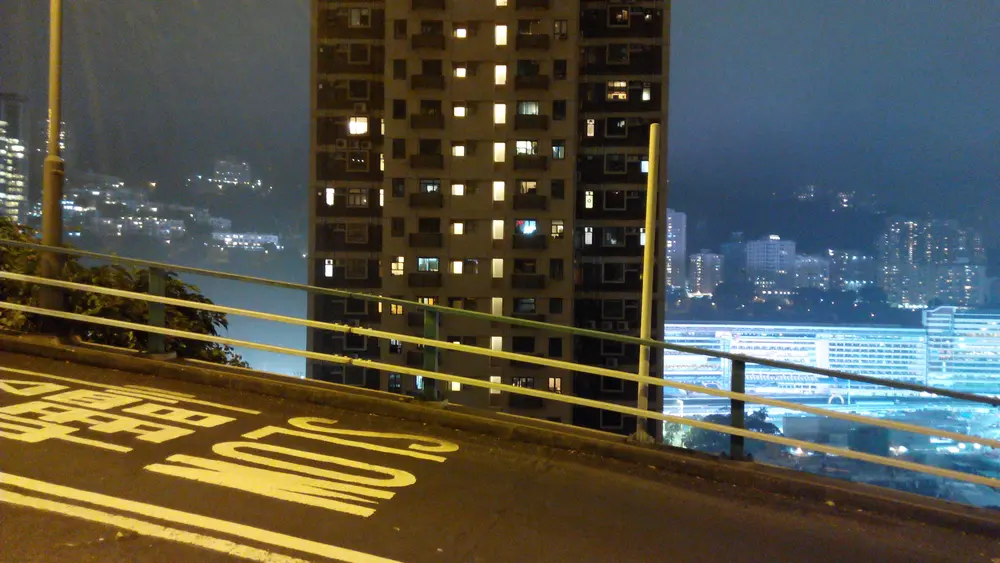
Hong Kong racecourse with food and drink
A racing-night experience with food and drink and an introduction to the races.
Check availabilityBook via GetYourGuideTour listings are on GetYourGuide. Prices, times and cancellation terms are shown live on each listing and can change; HongKongTravel.com may earn a commission at no extra cost to you.
Tai Po: markets, trains and wishing trees
Tai Po Market station gives access to the old market town of Tai Po Hui (大埔墟), where the Hong Kong Railway Museum occupies the 1913 Tai Po Market station building, with historic carriages and locomotives outside (free, closed Tuesdays). Nearby lanes such as Fu Shin Street have a street market and a late-19th-century Man Mo Temple, and the Tai Po Hui Market and Cooked Food Centre is one of the best places in the New Territories for a cheap local lunch.
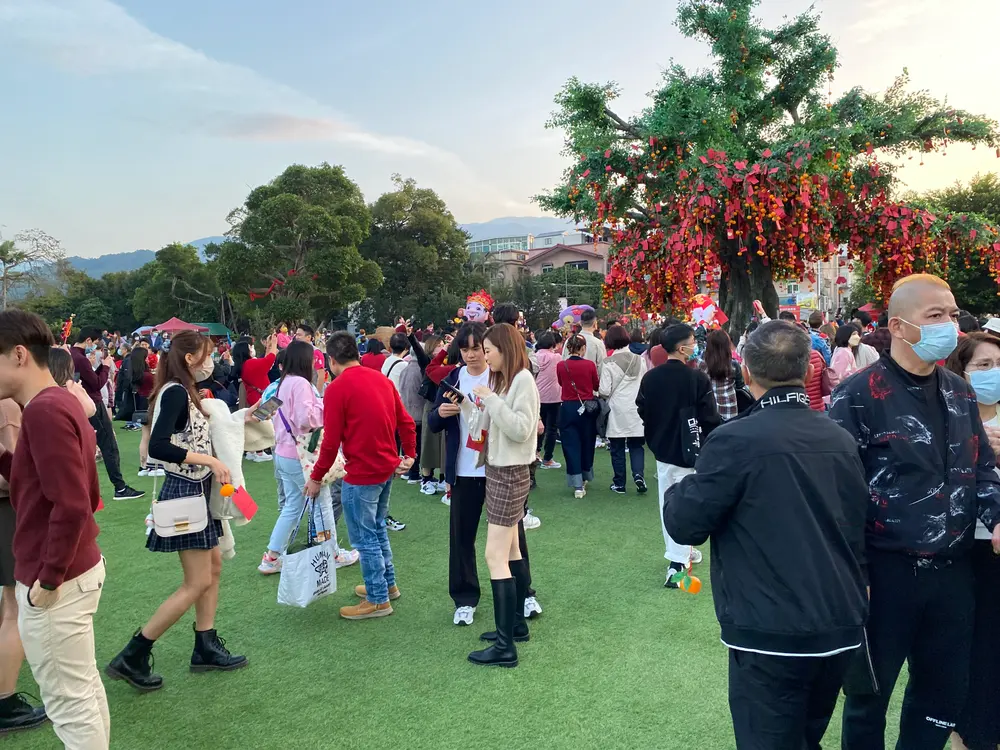
From Tai Po Market bus terminus, bus 64K runs to the Lam Tsuen Wishing Trees (林村許願樹), where people once threw paper wishes tied to oranges into an old banyan. After a branch collapsed in 2005 the practice moved to wooden racks and an artificial tree; at Lunar New Year the square fills with stalls and wishing placards.
Tai Mei Tuk, Plover Cove and the Geopark
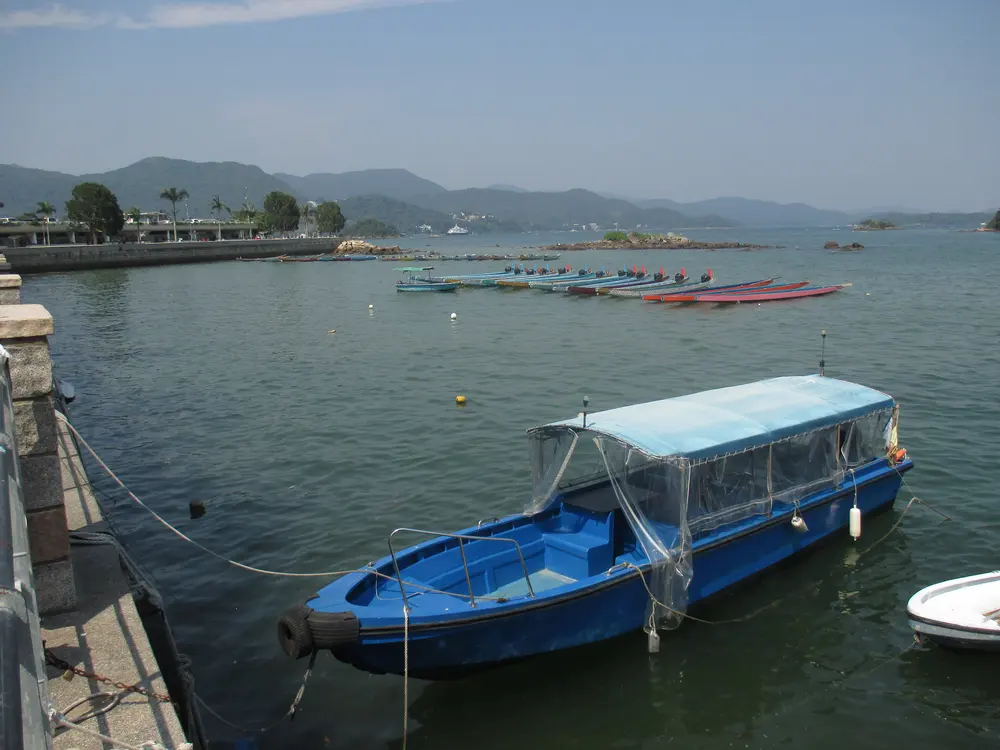
At the end of the road east of Tai Po, Tai Mei Tuk (大美督) sits on the dam of Plover Cove Reservoir (船灣淡水湖), completed in the late 1960s by damming an inlet of the sea. Weekenders rent bicycles and ride the flat track along the dam, have a barbecue, or take a boat around the cove. Bus 75K runs from Tai Po Market. The Pat Sin Leng ridge rises behind, and across Tolo Harbour lie the old sedimentary rocks of the Geopark's north-eastern region, including Ma Shi Chau and, by ferry, the Hakka village of Lai Chi Wo.
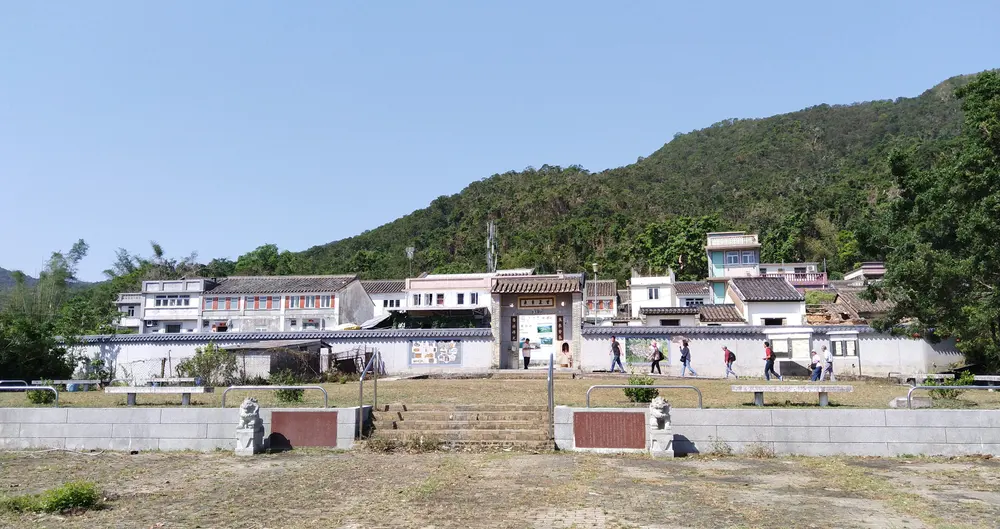
Lai Chi Wo village and Hakka culture tour
A guided trip to Lai Chi Wo, a walled Hakka village in Plover Cove Country Park, and its culture.
Check availabilityBook via GetYourGuide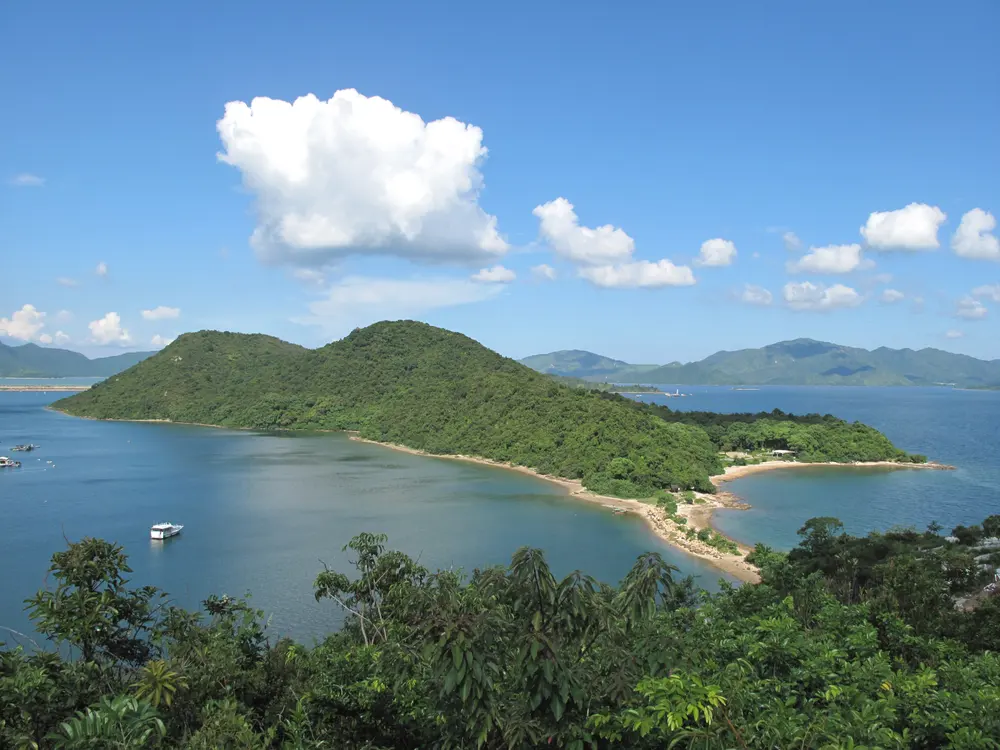
Ma Shi Chau Geopark, fishing and floating fun
A landing on Ma Shi Chau in the Geopark plus fishing at a fish raft and water play, as listed.
Check availabilityBook via KlookTour listings are on GetYourGuide. Prices, times and cancellation terms are shown live on each listing and can change; HongKongTravel.com may earn a commission at no extra cost to you.
Fanling: walled villages of the Tang clan
North of Tai Po, the Lung Yeuk Tau Heritage Trail (龍躍頭文物徑) near Fanling station links walled villages and ancestral halls of the Tang clan (鄧氏), one of the ‘Five Great Clans' of the New Territories. Highlights include the Tang Chung Ling Ancestral Hall and the walls of Lo Wai. It is a quieter, more local counterpart to the Ping Shan Heritage Trail in Yuen Long. History in context: history of Hong Kong.
Planning your day
Avoid Tuesdays if you want both museums. Lunar New Year days 1–3 are spectacular at Che Kung Temple and the wishing trees but crowded everywhere; race days fill trains to Sha Tin. See things to do for routes and getting there for trains and buses.
| Stop | Station | Time |
|---|---|---|
| Ten Thousand Buddhas Monastery | Sha Tin (Exit B) | 1.5–2 h |
| Hong Kong Heritage Museum | Che Kung Temple (Exit A) | 1.5–2 h |
| Che Kung Temple and Tsang Tai Uk | Che Kung Temple | 1 h |
| Railway Museum and Tai Po Hui | Tai Po Market | 1.5 h |
| Lam Tsuen Wishing Trees | Tai Po Market + bus 64K | 1 h |
| Tai Mei Tuk and Plover Cove | Tai Po Market + bus 75K | 2–3 h |
Plan your visit to Sha Tin & Tai Po
- Things to doSha Tin and Tai Po sight by sight: Ten Thousand Buddhas, Che Kung Temple, the Heritage…
- ToursGuided trips in the northern New Territories: Lai Chi Wo and Hakka culture, Ma Shi Chau…
- FoodEating in the northern New Territories: Tai Po Hui's cooked food centre, monastery…
- Where to staySha Tin's hotels line the Shing Mun River, 10 minutes from Kowloon by train and close…
- Getting thereTrains, buses and ferries to Sha Tin, Tai Po and Fanling: which station for which…
Frequently asked questions
How do I get to the Ten Thousand Buddhas Monastery?
Take the East Rail line to Sha Tin, leave by Exit B, walk through Pai Tau Village following the signs, and climb the path – more than 400 steps. Allow two hours.
Is the Bruce Lee exhibition still open?
Yes. ‘A Man Beyond the Ordinary: Bruce Lee' at the Hong Kong Heritage Museum has been extended to 20 July 2029, and admission is free.
When is Che Kung Temple busiest?
During Lunar New Year, especially the third day of the new year (8 February 2027), when crowds come to spin the fan wheel for luck.
Can tourists go to the races at Sha Tin?
Yes. Race meetings run from September to July; Racecourse station on the East Rail line opens only on race days. The biggest day is the LONGINES Hong Kong International Races on 13 December 2026.
Which museums close on Tuesday?
The Hong Kong Heritage Museum and the Hong Kong Railway Museum both close on Tuesdays (except public holidays).
Is Sha Tin worth a visit?
Yes, if you want temples, a museum and New Territories life without leaving the MTR. A half day covers the Ten Thousand Buddhas and the Heritage Museum.
Sources and official information
Facts were checked against these official sources in November 2026. Opening hours, fares and timetables change, so confirm before you go.
HongKongTravel.com is an independent guide, not the official site of the Hong Kong Tourism Board, the HKSAR Government or any operator. Some links are affiliate links: tours go to {tours} and hotels go to {hotels}, and we may earn a commission at no extra cost to you.