In short
- Best months: October to December: warm, dry, clear, humidity around 70–73%. January–February are cool and dry; March–April mild but misty.
- Summer (June–September): hot (mean highs about 31°C), very humid (around 80%), with heavy showers and the main typhoon season.
- Year in numbers (HKO, 1991–2020): mean temperature 23.5°C, rainfall 2,431 mm, about 140 rain days, wettest month June (491.5 mm), driest December (28.8 mm).
- Pack light, breathable clothes, an umbrella all year, a layer for over-cooled MTR trains and malls, and a warm jacket for December–February evenings.
Hong Kong's climate in brief
Hong Kong has a humid subtropical, monsoon climate: mild, dry winters when the north-east monsoon blows from the continent, and hot, wet summers when the south-west monsoon brings moist tropical air from the sea. The Hong Kong Observatory has kept records at its Tsim Sha Tsui headquarters since 1884; the figures on this page are its 1991–2020 climate normals.
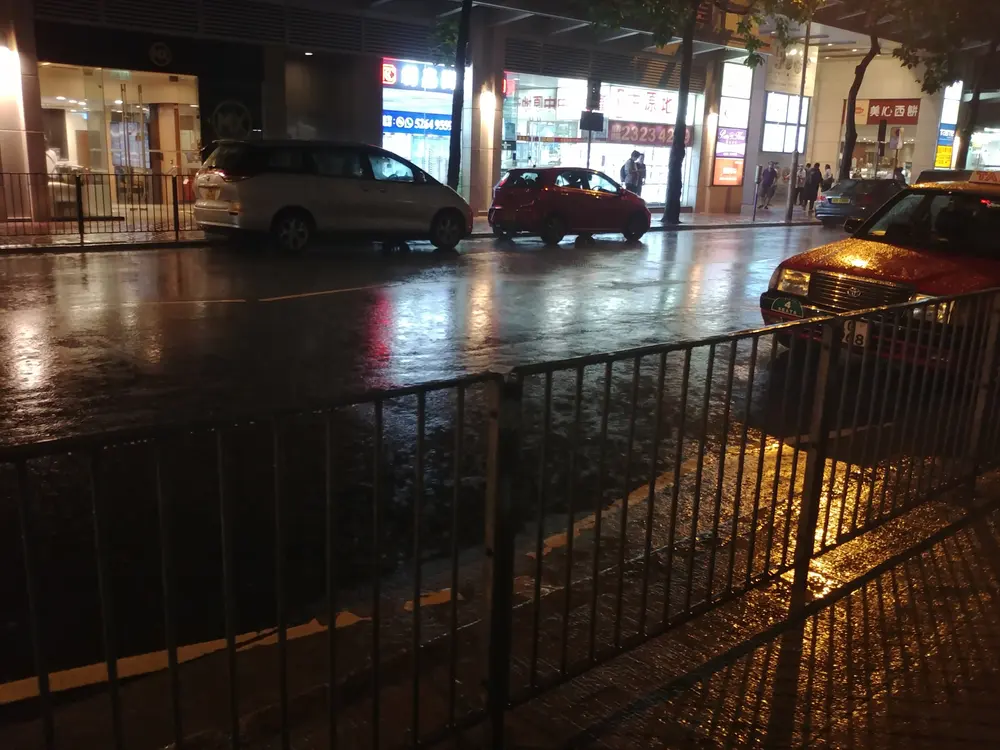
Two things surprise first-time visitors. The first is the humidity, which averages above 80% from March to August and makes 30°C feel much hotter. The second is how cold buildings are kept in summer: malls, the MTR and cinemas are heavily air-conditioned, so carry a layer even in August.
- Mean annual temperature
- 23.5°C
- Hottest month
- July, mean 28.9°C, mean max 31.6°C
- Coolest month
- January, mean 16.5°C, mean min 14.6°C
- Annual rainfall
- 2,431.2 mm
- Sunniest month
- October (197.8 h) and July (197.3 h)
- Live weather
- Homepage widget and MyObservatory app
The Hong Kong Observatory's 1883 headquarters in Tsim Sha Tsui, where records began in 1884.
Month-by-month table
Observatory headquarters normals for 1991–2020. Sunshine is measured at King's Park. Higher ground, such as the Peak and Tai Mo Shan, is cooler and often in cloud; the New Territories can be a few degrees hotter by day and colder by night than the urban harbour front.
| Month | Mean max °C | Mean °C | Mean min °C | Humidity % | Rain mm | Rain days | Sunshine h |
|---|---|---|---|---|---|---|---|
| Jan | 18.7 | 16.5 | 14.6 | 74 | 33.2 | 5.7 | 145.8 |
| Feb | 19.4 | 17.1 | 15.3 | 79 | 38.9 | 8.0 | 101.7 |
| Mar | 21.9 | 19.5 | 17.6 | 82 | 75.3 | 10.5 | 100.0 |
| Apr | 25.6 | 23.0 | 21.1 | 83 | 153.0 | 11.4 | 113.2 |
| May | 28.8 | 26.3 | 24.5 | 83 | 290.6 | 15.4 | 138.8 |
| Jun | 30.7 | 28.3 | 26.5 | 82 | 491.5 | 19.3 | 144.3 |
| Jul | 31.6 | 28.9 | 26.9 | 81 | 385.8 | 18.4 | 197.3 |
| Aug | 31.3 | 28.7 | 26.7 | 81 | 453.2 | 17.5 | 182.1 |
| Sep | 30.5 | 27.9 | 26.1 | 78 | 321.4 | 14.9 | 174.4 |
| Oct | 28.1 | 25.7 | 23.9 | 73 | 120.3 | 7.8 | 197.8 |
| Nov | 24.5 | 22.2 | 20.3 | 72 | 39.3 | 5.7 | 172.3 |
| Dec | 20.4 | 18.2 | 16.2 | 70 | 28.8 | 5.3 | 161.6 |
| Year | 26.0 | 23.5 | 21.6 | 78 | 2,431.2 | 139.9 | 1,829.3 |
The best time to visit Hong Kong
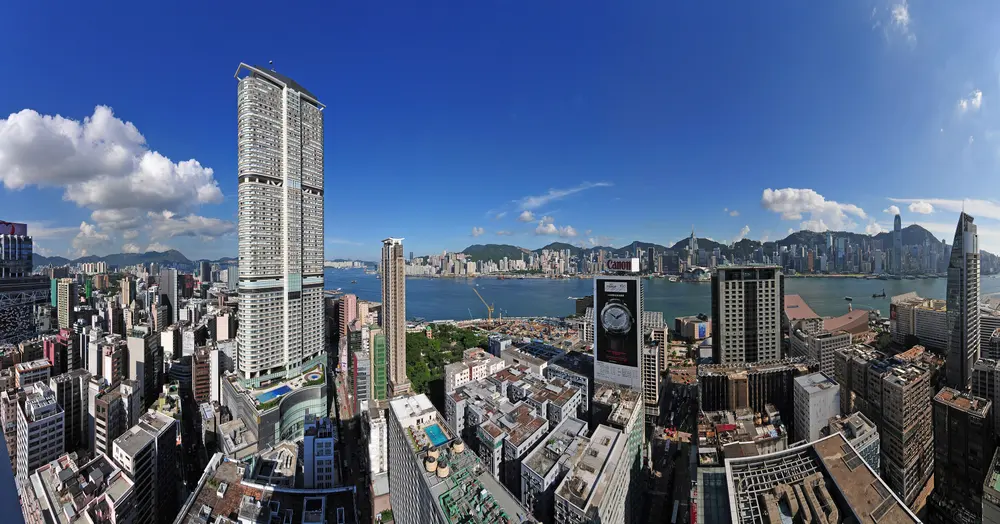
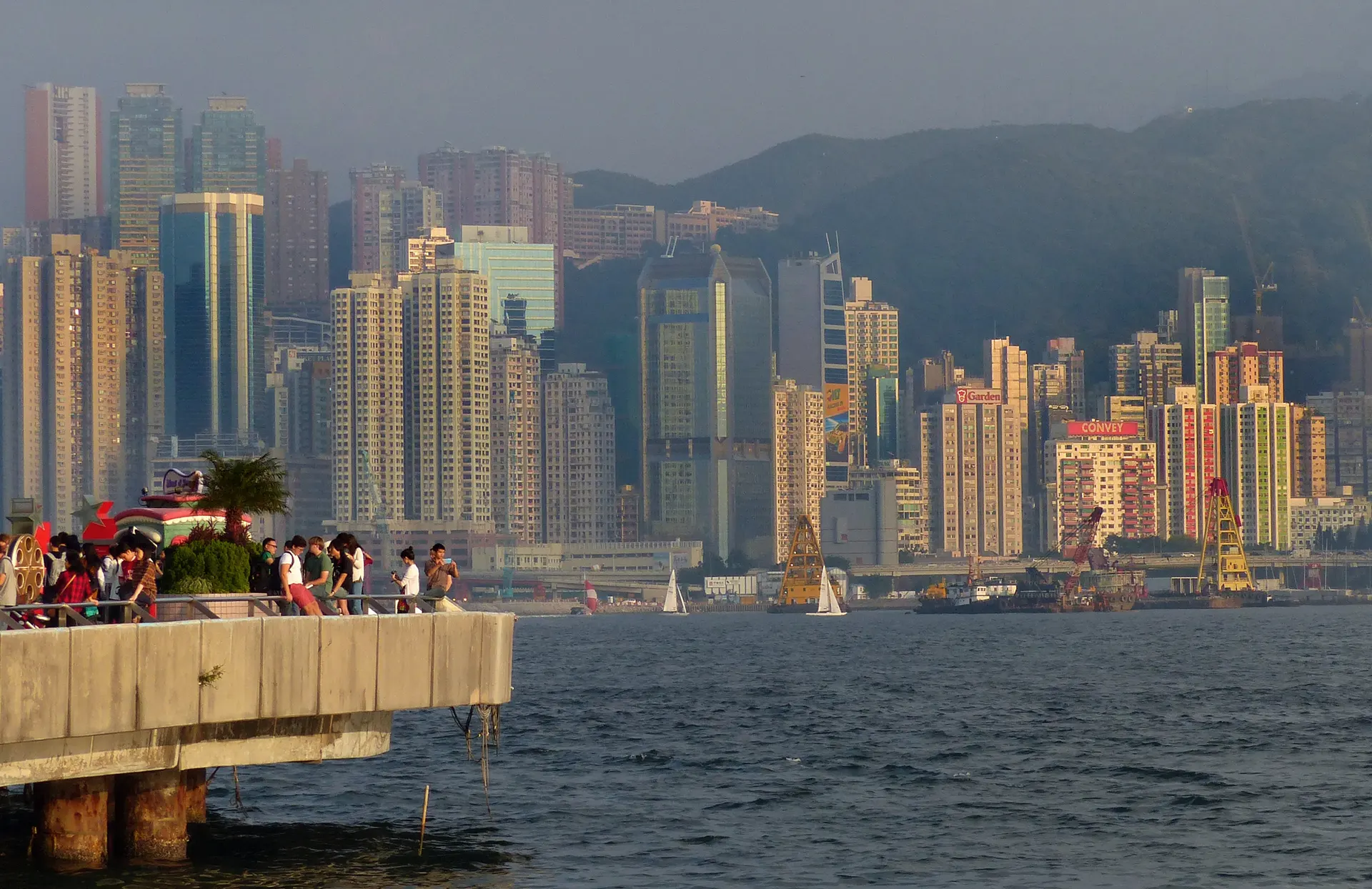
October to early December is the classic answer, and the numbers back it up: rainfall falls from 321 mm in September to 120 mm in October and under 40 mm in November and December, humidity drops to the low 70s, and October is the sunniest month of the year. Skies are clearest for the Peak, the harbour and hiking. The trade-off is demand: hotel rates rise, especially around the Golden Week holiday at the start of October, when mainland visitor numbers peak.
- For hiking and beaches together: October and early November (water still warm, trails cooler).
- For festivals: Chinese New Year (January or February), the Cheung Chau Bun Festival (around May), Dragon Boat races (June) and Mid-Autumn lanterns (September or October). See events and Chinese New Year.
- For lower prices: summer outside school holidays, accepting heat and storms.
- For Christmas lights and WinterFest: late November to early January.
Month by month: what each month feels like
- January: the coolest month (mean 16.5°C) and one of the driest; crisp, often clear days, chilly evenings. Chinese New Year falls in late January or February in many years.
- February: cool and increasingly damp as humidity rises to 79%; spring blossoms in the New Territories and festive lanterns around Lunar New Year.
- March: mild (mean 19.5°C) but grey: mist, drizzle and hazy views are common, with 10–11 rain days.
- April: warm and very humid; the first heavy showers and thunderstorms arrive. Ching Ming and Easter holidays fill hotels and ferries.
- May: summer begins (mean max 28.8°C); rainfall nearly doubles on April. The Cheung Chau Bun Festival and Buddha's Birthday usually fall this month; beaches open with lifeguards.
- June: the wettest month (491.5 mm, 19 rain days) and the Dragon Boat Festival. Plan indoor backups.
- July: the hottest month (mean 28.9°C) yet also one of the sunniest; afternoon storms and the first serious typhoon threats.
- August: hot, humid and stormy (453 mm of rain on average); school-holiday crowds at Disneyland and Ocean Park.
- September: still hot (mean max 30.5°C) and in peak typhoon season, but rainfall starts to drop. Mid-Autumn Festival lanterns fall in September or early October.
- October: the start of the best season: sunniest month, humidity down to 73%, warm sea. National Day on 1 October (usually marked with harbour fireworks) and Golden Week crowds.
- November: comfortable and dry (39 mm), mean 22.2°C; the best hiking month. WinterFest lights (18 November 2026 – 5 January 2027 this season).
- December: the driest month (28.8 mm) and the least humid (70%); cool evenings, Christmas lights and the New Year's Eve harbour fireworks.
Season by season
Winter (December–February). Cool and dry, with mean daily highs of 18–20°C and occasional cold spells driven by the winter monsoon, when the Observatory may issue a Cold Weather Warning and temperatures drop near or below 10°C in the New Territories. Most homes and many restaurants have no heating, so a warm layer is welcome indoors too. Clear days are frequent, but so is haze when the wind blows from the north.
Spring (March–April). Temperatures climb and humidity soars to 82–83%. This is the season of sea fog and drizzle: the Peak can disappear into cloud for days, and walls and floors sweat in the 'return of the south wind' (回南天, wui4 naam4 tin1). Pleasant for city walking, less reliable for views.
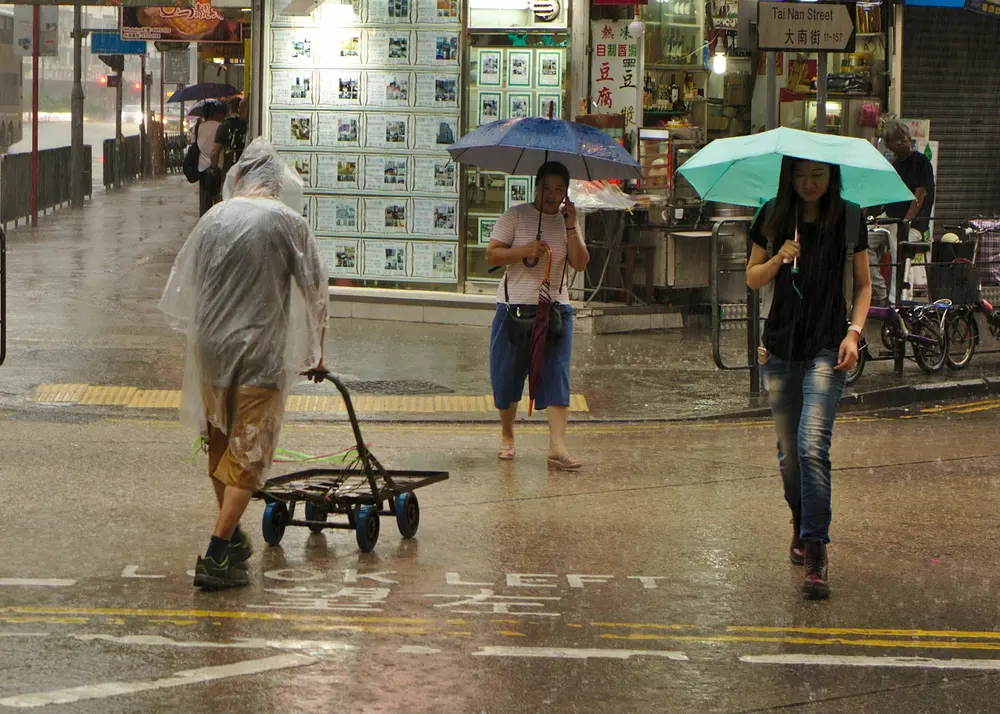
Summer (May–September). Hot and humid, with mean highs above 30°C from June to September and frequent heavy showers and thunderstorms. Rainfall peaks in June and August. This is also typhoon season; see typhoon and rainstorm signals. Mornings are best for outdoor sightseeing; afternoons are for museums, malls and long lunches.
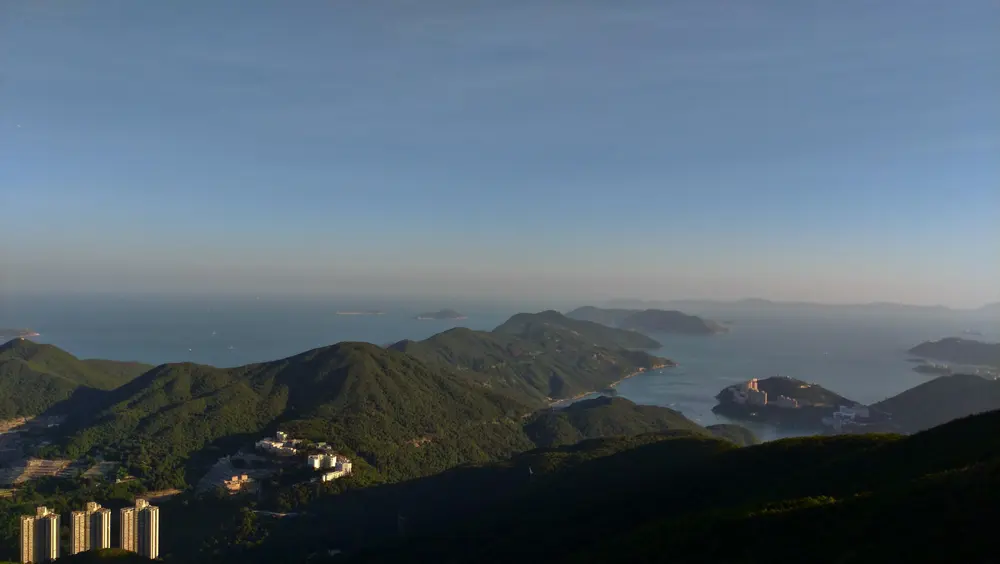
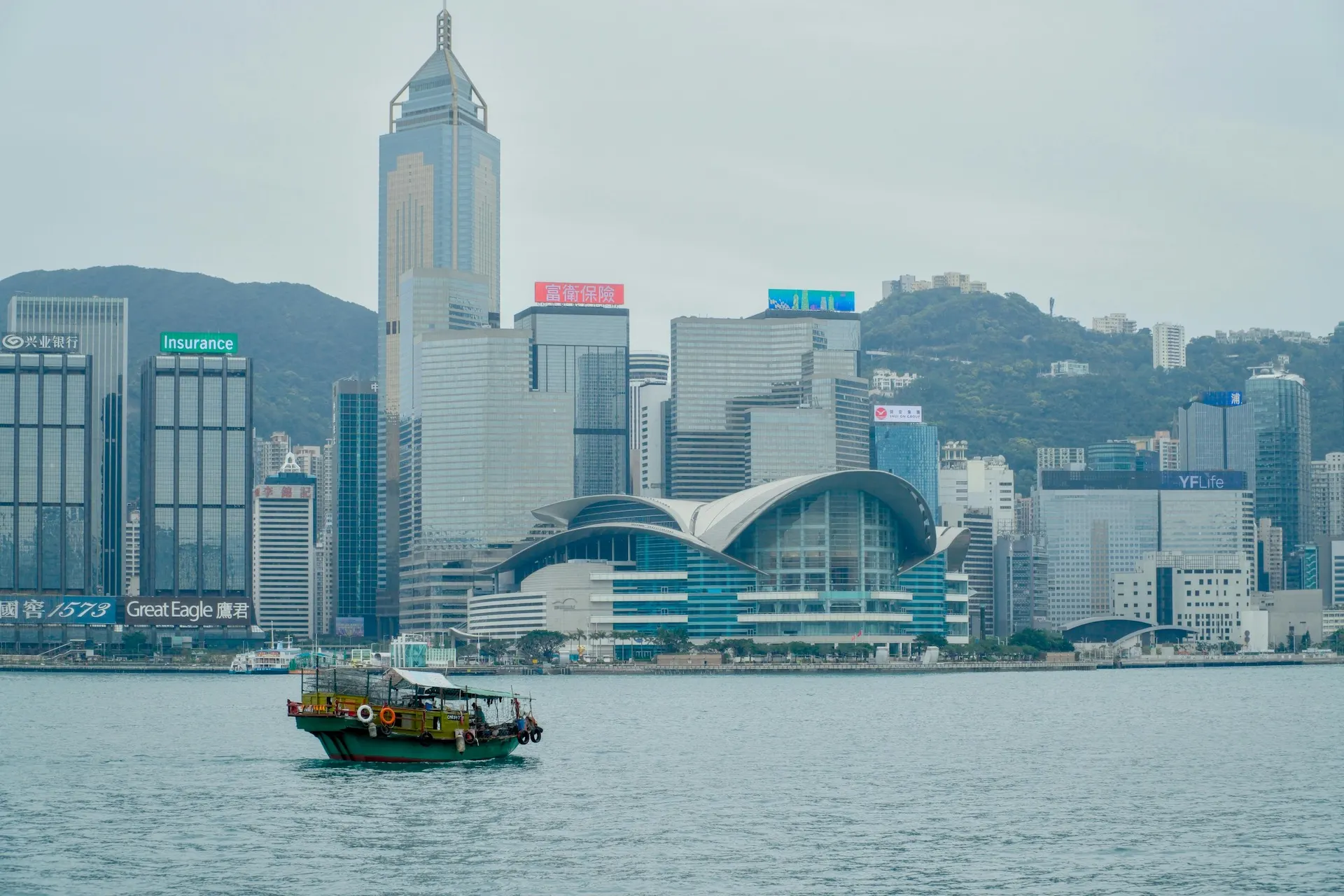
Autumn (October–November). Warm, sunny, comfortable and dry: the best hiking season, the clearest harbour views and still warm enough to swim until early November.
Humidity, heat and air quality
From May to September, heat and humidity are the main health issue for visitors. The Observatory issues a Very Hot Weather Warning on many summer days; drink often, use sunscreen, wear a hat, avoid exposed hikes between 11 am and 3 pm and recognise heat-exhaustion symptoms (dizziness, nausea, cramps).
Air quality varies with the wind. The Environmental Protection Department publishes an Air Quality Health Index (AQHI) on a 1–10+ scale; on 'high' days people with heart or breathing conditions should limit strenuous outdoor activity. Clear skies after rain or a cold front often bring the best visibility.
Sea, swimming and beach season
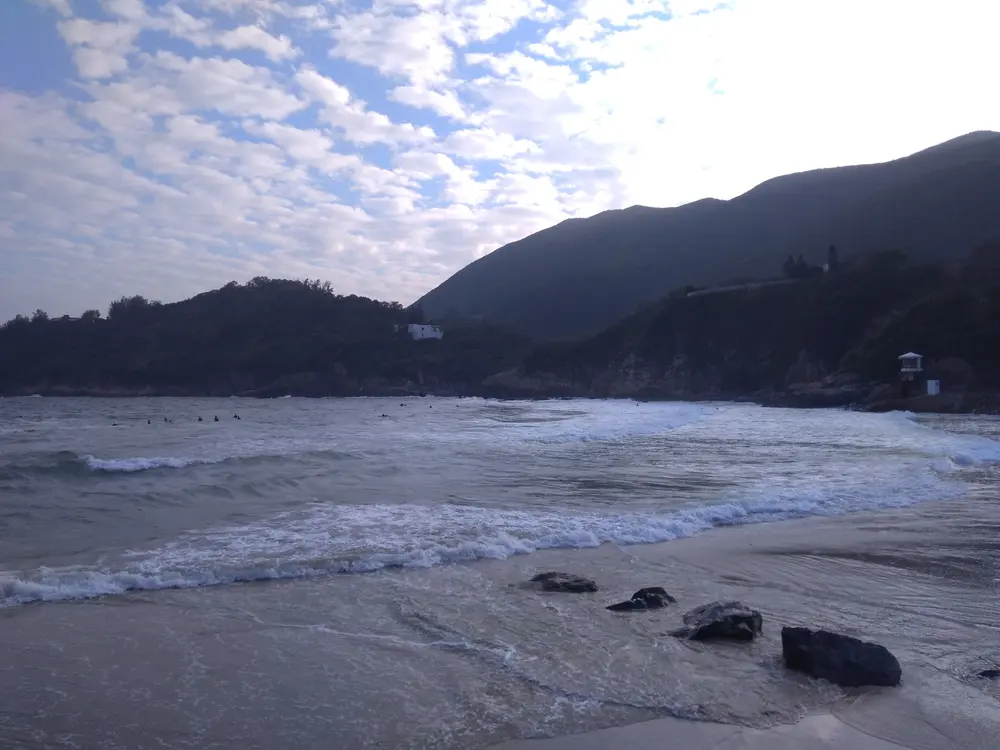
Hong Kong's sea is warm enough for most swimmers from about May to early November. The Leisure and Cultural Services Department (LCSD) runs 42 gazetted beaches; lifeguards are on duty at most of them during the swimming season from April to October, generally 9 am to 6 pm, with longer hours at weekends in high summer, and at a smaller number of beaches through the winter. Shark prevention nets are installed at the gazetted beaches that are open.
After heavy rain or a typhoon, LCSD advises bathers not to swim for up to three days because of water quality and debris, and red flags fly when conditions are dangerous. Details, beach by beach, are in our beaches guide.
What to pack
- All year: a compact umbrella (it doubles as a sunshade), comfortable walking shoes with grip for wet pavements and hill paths, a light layer for air-conditioning, sunscreen, and a Type G plug adaptor.
- June–September: breathable, quick-drying clothes, a spare shirt for long days, insect repellent for parks and hikes, and a poncho for sudden downpours.
- October–November: summer clothes plus a light jacket for evenings and the Peak.
- December–February: layers, a warm jacket and a scarf for evenings, especially if you visit the Peak, the countryside or outlying islands.
- March–April: layers and a light waterproof; expect damp.
Shopping is so easy that anything forgotten can be bought on the spot, but good walking shoes are worth bringing from home.
Checking the forecast while you're here
Our homepage shows the current Observatory readings, the 9-day forecast and any warning signals in force. The Observatory's own MyObservatory app adds rain radar, lightning, the tropical cyclone track and location-based forecasts. For hikes, check the forecast for the specific area: conditions on Lantau Peak or Tai Mo Shan can be very different from Tsim Sha Tsui. See hiking and beaches for activity-specific advice.
Frequently asked questions
What is the best month to visit Hong Kong?
October, November and early December: warm, dry and clear, with low humidity. October is the sunniest month of the year in the Observatory's 1991–2020 normals.
What is the rainiest month in Hong Kong?
June, with a normal of 491.5 mm, followed by August (453.2 mm) and July (385.8 mm).
Does it get cold in Hong Kong?
Mildly. January's mean minimum is 14.6°C at the Observatory, and cold spells can bring temperatures near 10°C or lower in the New Territories. Buildings rarely have heating, so bring warm layers in winter.
Is Hong Kong humid?
Very, from March to September: mean relative humidity is 81–83%. Autumn and early winter are the least humid, around 70–74%.
When is typhoon season in Hong Kong?
About May to November, most often July to September. See our typhoon and rainstorm signals guide.
What should I wear in Hong Kong?
Light, breathable clothes most of the year, a layer for air-conditioned buildings, good walking shoes and an umbrella. Add a warm jacket from December to February.
Sources and official information
Facts were checked against these official sources in November 2026. Opening hours, fares and timetables change, so confirm before you go.
HongKongTravel.com is an independent guide, not the official site of the Hong Kong Tourism Board, the HKSAR Government or any operator. Some links are affiliate links: tours go to {tours} and hotels go to {hotels}, and we may earn a commission at no extra cost to you.