- District
- Sham Shui Po District, Kowloon
- How long
- Half a day to 1 day
- MTR
- Sham Shui Po, Cheung Sha Wan, Prince Edward (Tsuen Wan line); Shek Kip Mei (Kwun Tong line)
- Markets
- Apliu Street (electronics), Ki Lung and Nam Chang Streets (fabric), Yu Chau Street (beads)
- Heritage
- Mei Ho House (free museum, closed Mon), Lei Cheng Uk Han Tomb
- Eat
- Tofu pudding, cheung fun, noodles, Tim Ho Wan dim sum
In short
- Sham Shui Po (深水埗, sam1 seoi2 bou6, 'deep-water pier') is one of Hong Kong's oldest and least-changed urban districts: tenements, wholesale trades and street markets two MTR stops north of Mong Kok.
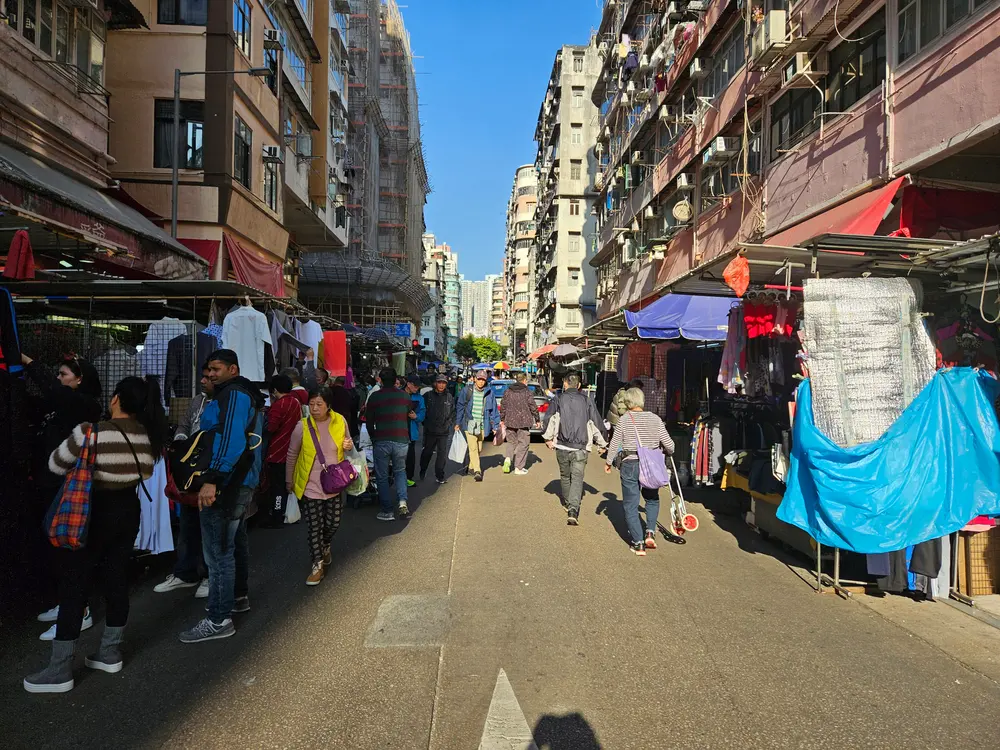
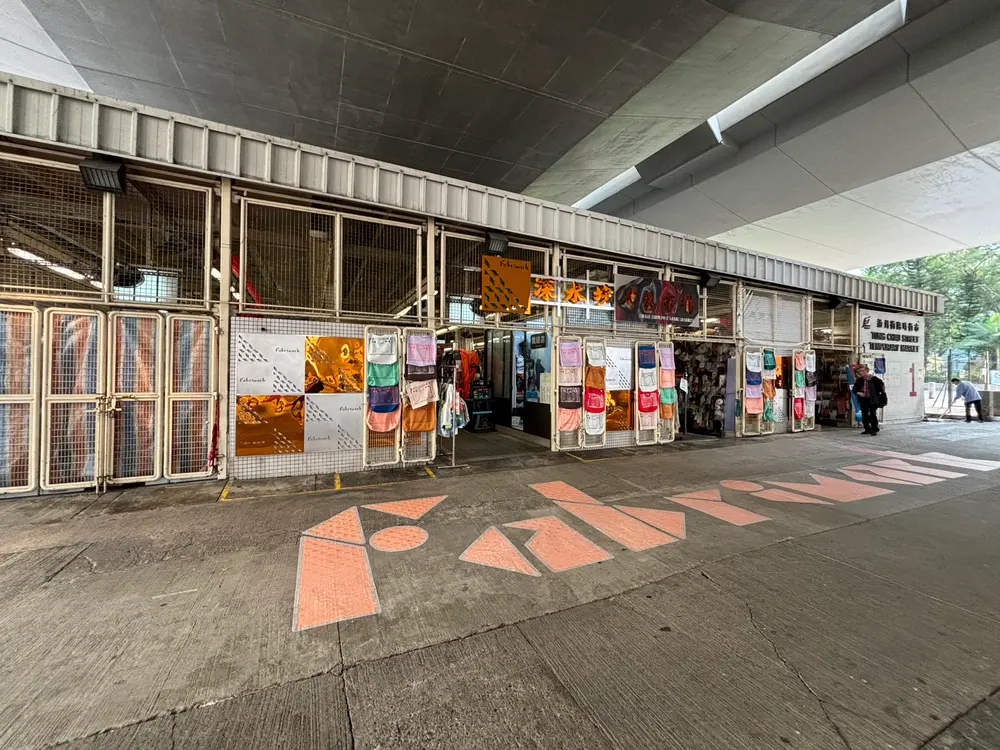
- Shop the streets: Apliu Street for electronics and second-hand gadgets, Ki Lung, Nam Chang and Yu Chau Streets for fabric, buttons, ribbons and beads, Tai Nan Street for leather.
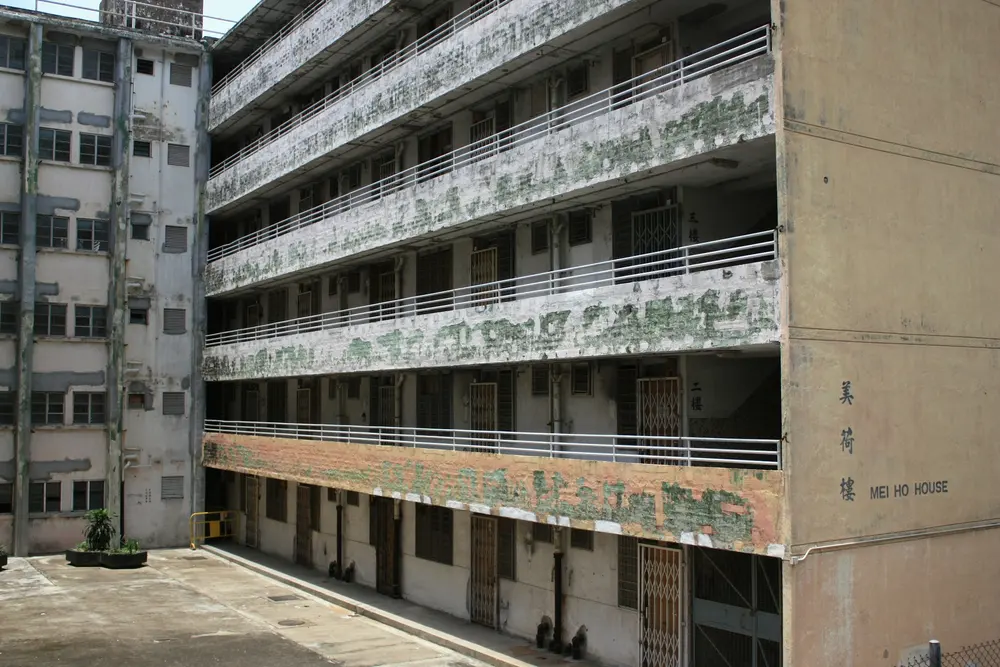
- History: Mei Ho House, the 1954 resettlement block built after the Shek Kip Mei fire, is now a youth hostel with a free museum of public housing.
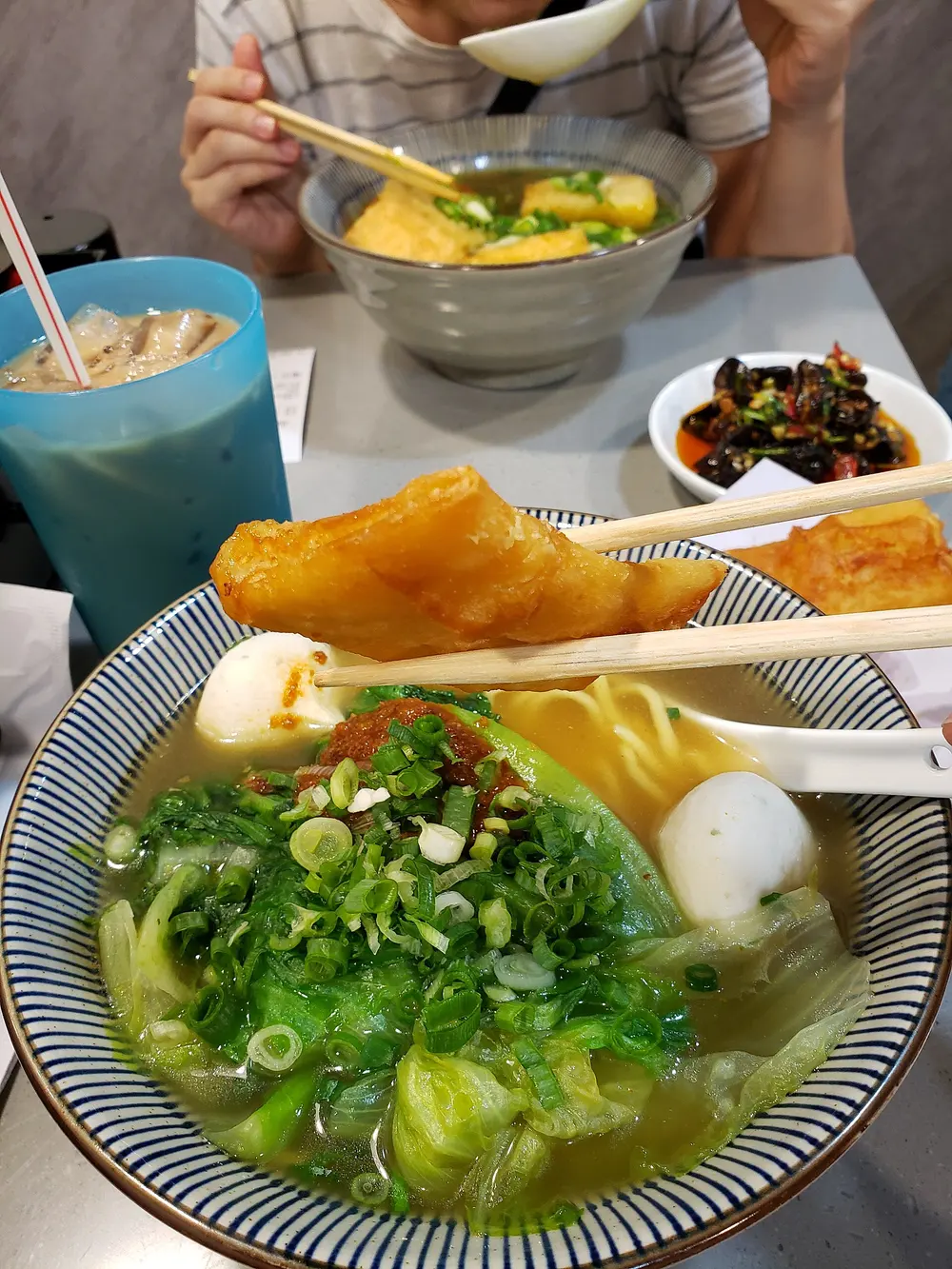
- Food: MICHELIN Bib Gourmands Tim Ho Wan, Lau Sum Kee and Kung Wo Beancurd Factory, plus cheap noodles, cheung fun and dessert shops.
- It is also a district with real hardship – many residents live in subdivided flats. Visit with respect.
Why visit Sham Shui Po
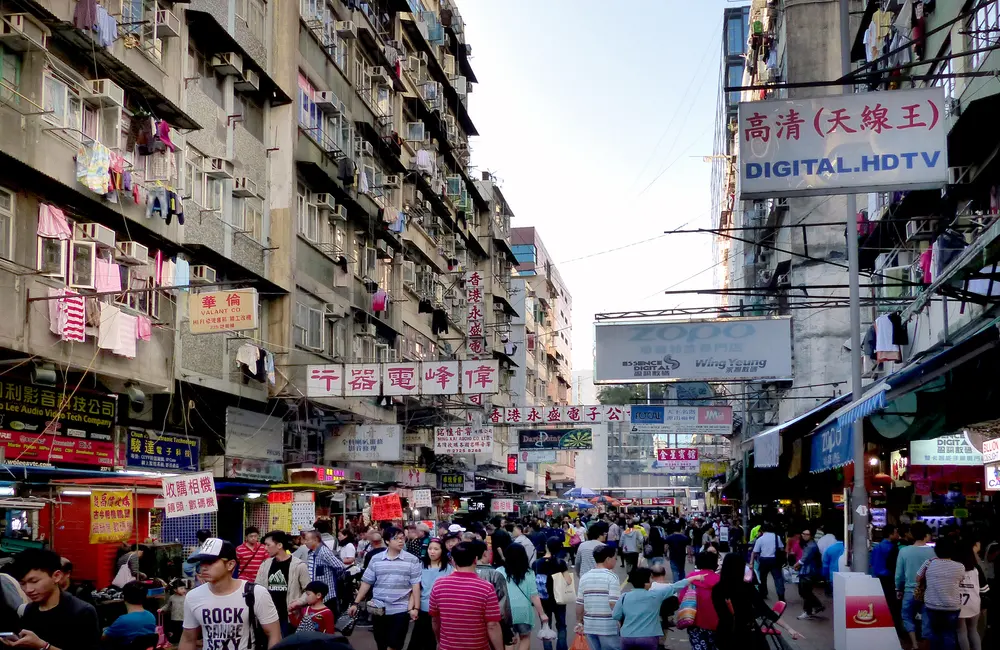
For a long time Sham Shui Po was a place Hong Kong guidebooks mentioned only for its electronics flea market. That has changed. As other districts have been redeveloped, it has become the place where visitors – and many Hong Kongers – come to see the working city that built post-war Hong Kong: streets where every shop sells buttons, or zips, or leather; family-run noodle and tofu shops that have barely changed in decades; and the tenement blocks and resettlement estates that housed refugees from the mainland in the 1950s.
It is a lived-in place, not a heritage theme park. Sham Shui Po is among the districts with the lowest median household incomes in Hong Kong's census figures, and the subdivided flats and 'cage homes' that make headlines are found here. Walking tours that discuss this, such as the Dark Side of Hong Kong walk, are run responsibly; independent visitors should photograph streets rather than people's homes and spend money in local shops.
In the last decade young designers, cafés and studios have moved into the old workshops, drawn by the fabric streets and low rents, so the district now mixes old trades with independent coffee shops, craft studios and small galleries. The combination makes it one of the most rewarding half-days in Kowloon.
Book tours in Sham Shui PoLive times, prices and cancellation terms on GetYourGuide.
Check availabilityTop things to do in Sham Shui Po
- Apliu Street flea market (鴨寮街) – new and second-hand electronics, cables, old cameras, phones, tools and oddities on stalls and in shops.
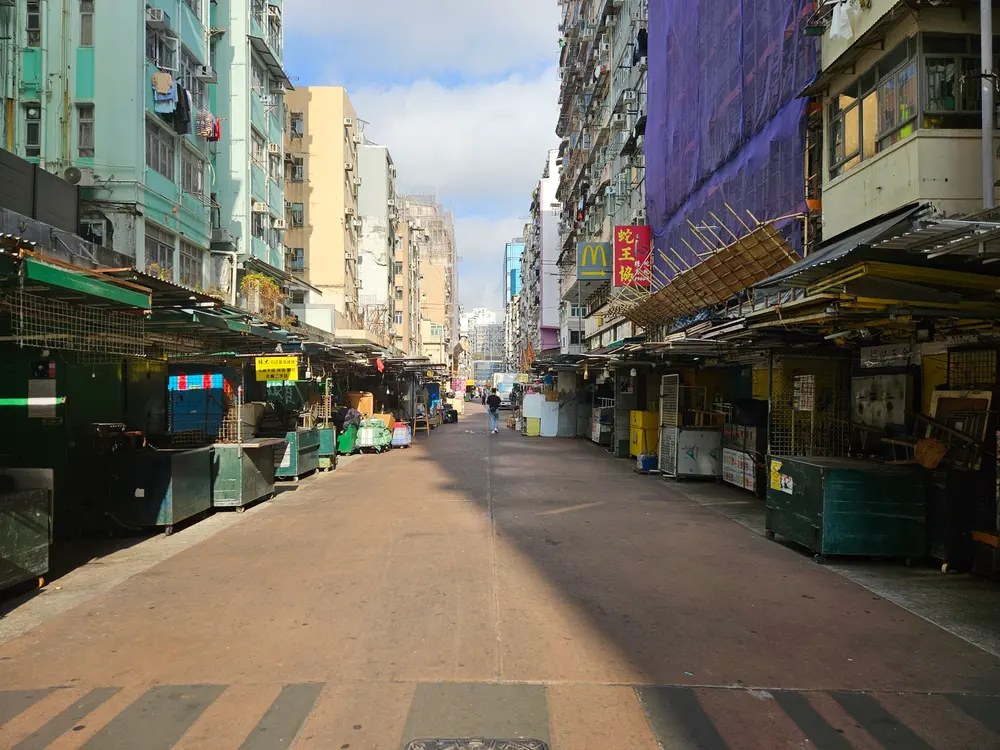
- The fabric streets – Ki Lung Street (基隆街), Nam Chang Street and the Yen Chow Street hawker bazaar for cloth; Yu Chau Street (汝州街) for beads, ribbons and trimmings; Tai Nan Street (大南街) for leather.
- Golden Computer Arcade (黃金電腦商場) – computer parts and gadgets in a busy arcade on Fuk Wa Street.
- Fuk Wing Street – toys, stationery and party goods wholesale.
- Heritage of Mei Ho House – free museum of Hong Kong public housing in the 1954 resettlement block (closed Mondays).
- Jockey Club Creative Arts Centre (JCCAC) – artists' studios and galleries in a converted factory estate in Shek Kip Mei.
- Lei Cheng Uk Han Tomb – a 2,000-year-old Eastern Han dynasty brick tomb, free to visit.
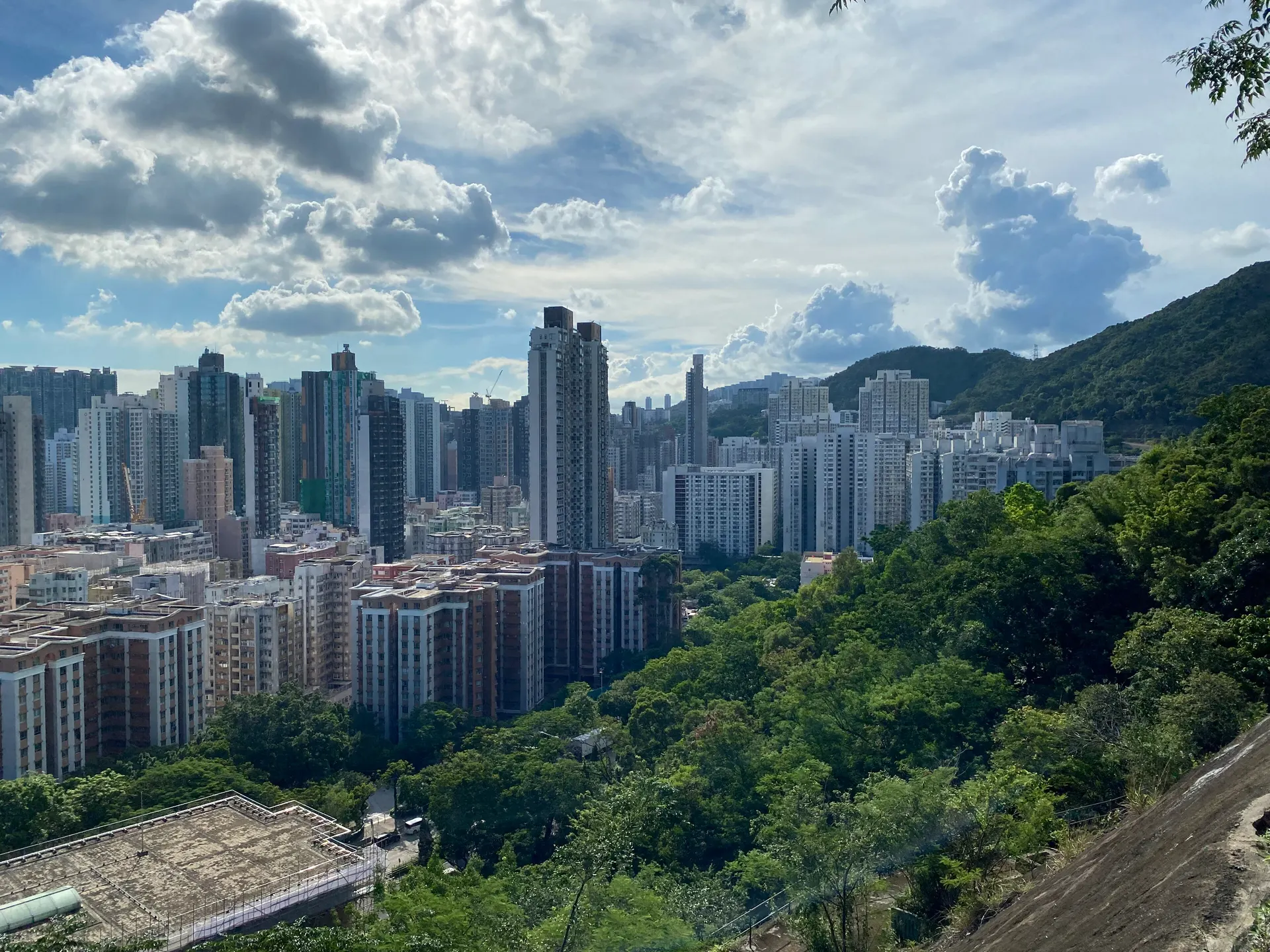
- Garden Hill – a short climb above Mei Ho House for a view across Sham Shui Po and Kowloon at sunset.
Hours and details: things to do in Sham Shui Po.
The streets and what they sell
| Street | Trade | Notes |
|---|---|---|
| Apliu Street (鴨寮街) | Electronics, second-hand gadgets, tools | Stalls from late morning to evening |
| Ki Lung Street (基隆街) | Fabric, buttons, zips | Many shops close by early evening and on Sundays |
| Nam Chang Street (南昌街) | Fabric shops | Near Yen Chow Street hawker bazaar |
| Yu Chau Street (汝州街) | Beads, ribbons, lace, trimmings | Wholesale and retail |
| Tai Nan Street (大南街) | Leather goods and supplies; cafés | Leather workshops and newer coffee shops |
| Fuk Wing Street (福榮街) | Toys, stationery, party goods | Also Tim Ho Wan and Lau Sum Kee |
| Fuk Wa Street (福華街) | Computers (Golden Computer Arcade) | Arcade open until evening |
| Pei Ho Street (北河街) | Wet market, tofu and food shops | Busiest in the morning |
Mei Ho House and the history of public housing
On Christmas night 1953, a fire swept through the squatter settlement at Shek Kip Mei, leaving more than 50,000 people homeless. The government's response – rapidly built, six-storey 'H-shaped' resettlement blocks – marked the start of Hong Kong's public housing programme, which today houses close to half the population. Mei Ho House (美荷樓) was one of eight blocks completed in 1954.
Restored by the Hong Kong Youth Hostels Association, it reopened as the YHA Mei Ho House Youth Hostel with a free museum, the Heritage of Mei Ho House, telling the story of the estate through reconstructed flats, everyday objects and residents' memories. As listed by the YHA in November 2026, it opens Tuesday to Sunday and public holidays from 10 am to 6 pm (closed Mondays except public holidays, and the first three days of Lunar New Year), with free guided tours in Cantonese daily at 3 pm and in English or Putonghua on alternate Sundays at 11 am. For the wider story, see history.
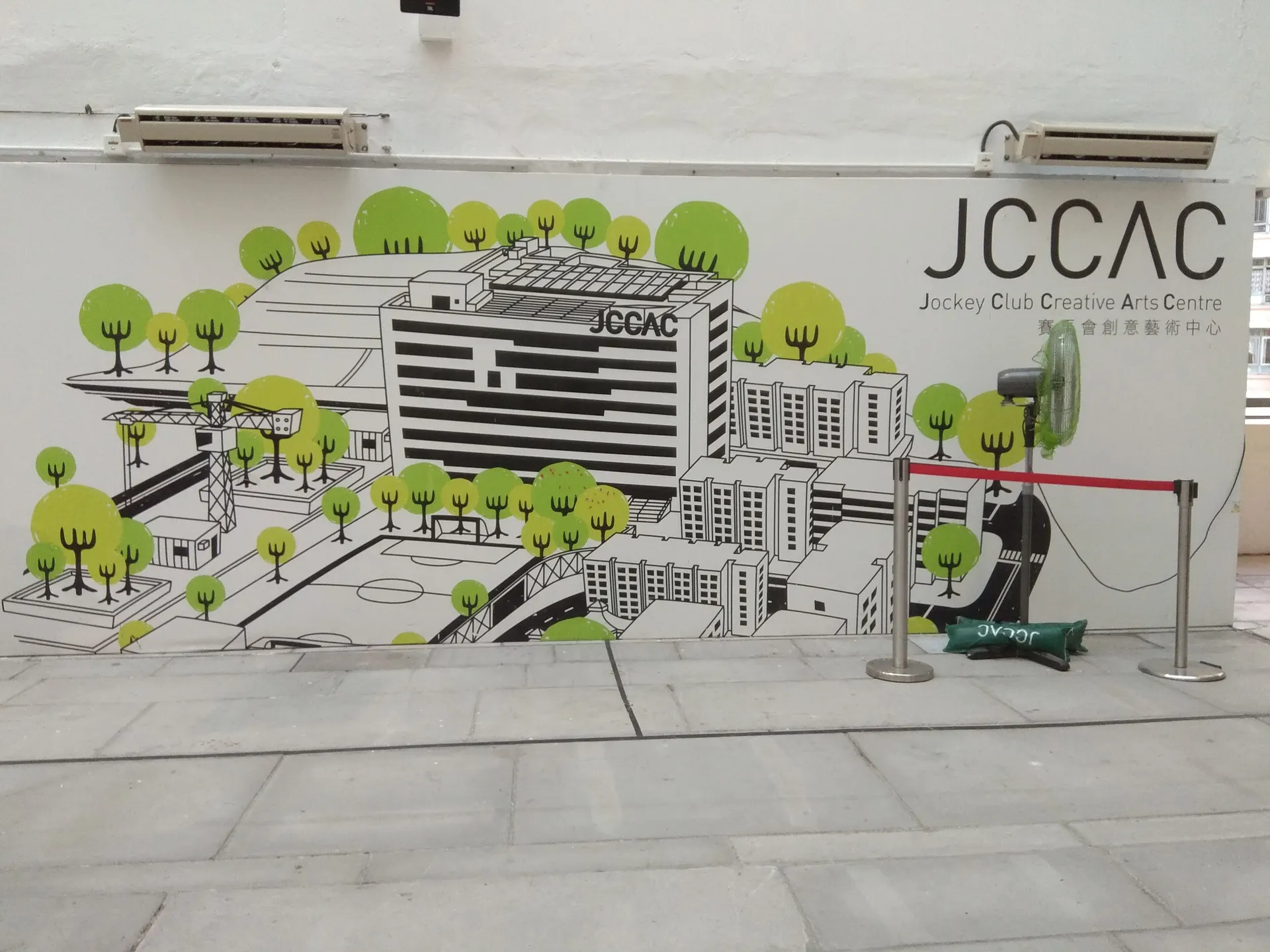
The Jockey Club Creative Arts Centre in a former Shek Kip Mei factory estate
Food: Sham Shui Po's cheap-eats reputation
Sham Shui Po has one of the highest concentrations of MICHELIN Bib Gourmand addresses in the city, almost all of them small, inexpensive and local. The 2026 guide lists the Sham Shui Po branch of Tim Ho Wan (添好運, dim sum, Fuk Wing Street), Lau Sum Kee (劉森記麵家, bamboo-pressed noodles, Fuk Wing Street) and Kung Wo Beancurd Factory (公和荳品廠, tofu pudding and fried tofu, Pei Ho Street), among others. Around them are rice-roll (cheung fun) stalls, cart-noodle shops, dessert houses and bakeries.
Details, dishes and tips are on food in Sham Shui Po.
Shopping tips
- Electronics: test before you buy, ask about voltage (Hong Kong is 220 V) and plug type (UK three-pin), and keep the receipt. Second-hand goods are sold as seen.
- Fabric: prices are usually per yard; many shops sell small cuts, but some are wholesale only – ask first.
- Hours: many trade shops open around 10–11 am and close by 6–7 pm; some close on Sundays and public holidays.
- Cash: smaller shops and stalls may take only cash or Octopus.
- Bargaining: possible on Apliu Street stalls, less so in shops with marked prices.
A half-day route
- Sham Shui Po MTR – start on Pei Ho Street with tofu pudding at Kung Wo.
- Apliu Street – browse the electronics stalls (30–45 minutes).
- Fuk Wing Street – toys and stationery; lunch at Tim Ho Wan or Lau Sum Kee.
- Ki Lung Street, Nam Chang Street and Yu Chau Street – fabric, buttons and beads.
- Tai Nan Street – leather shops and a coffee break.
- Mei Ho House (not Mondays) – about 15 minutes' walk north-east, then climb Garden Hill for the view.
When to go
Weekdays from late morning are best, when the trade streets are fully open. Sundays are busier with shoppers but some wholesale shops close. Summer afternoons are hot and humid – Dragon Centre on Yen Chow Street is an air-conditioned break. Sham Shui Po combines well with Mong Kok (two MTR stops south) or with Kowloon City by bus or taxi.
Tours in Sham Shui Po
Sham Shui Po rewards a guide more than most districts. Options include the Sham Shui Po walking tour with missions, a soy-food tasting walk, the Dark Side of Hong Kong walk and the Mei Ho House tour. See all Sham Shui Po tours.
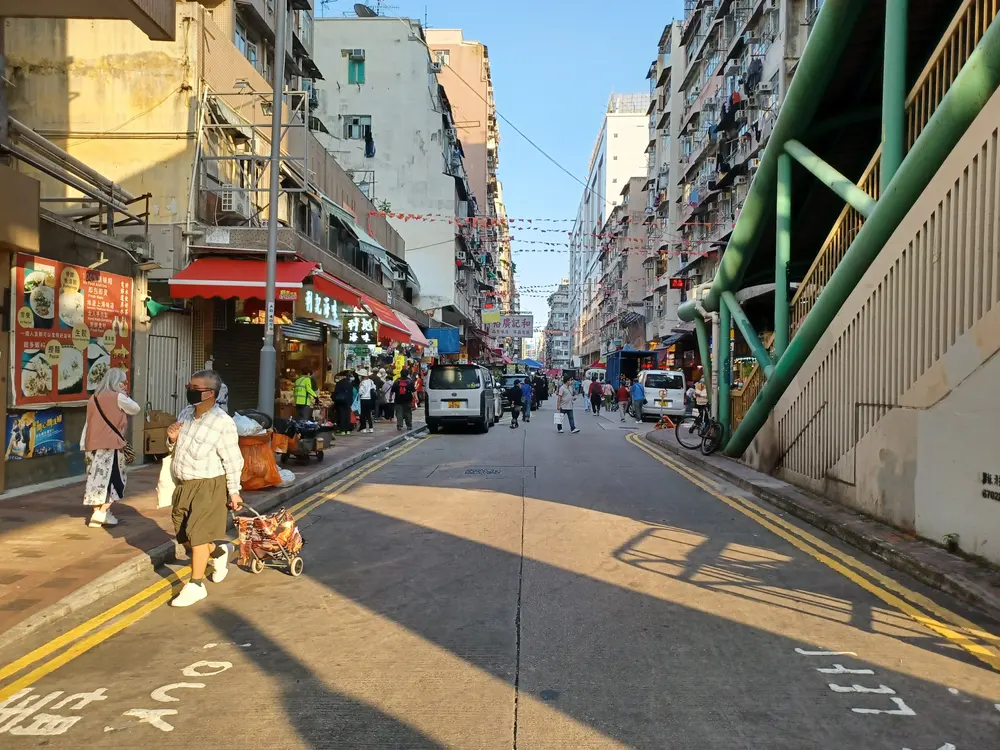
Sham Shui Po walking tour with missions
A guided walk through Sham Shui Po with small tasks to complete along the way.
Check availabilityBook via GetYourGuide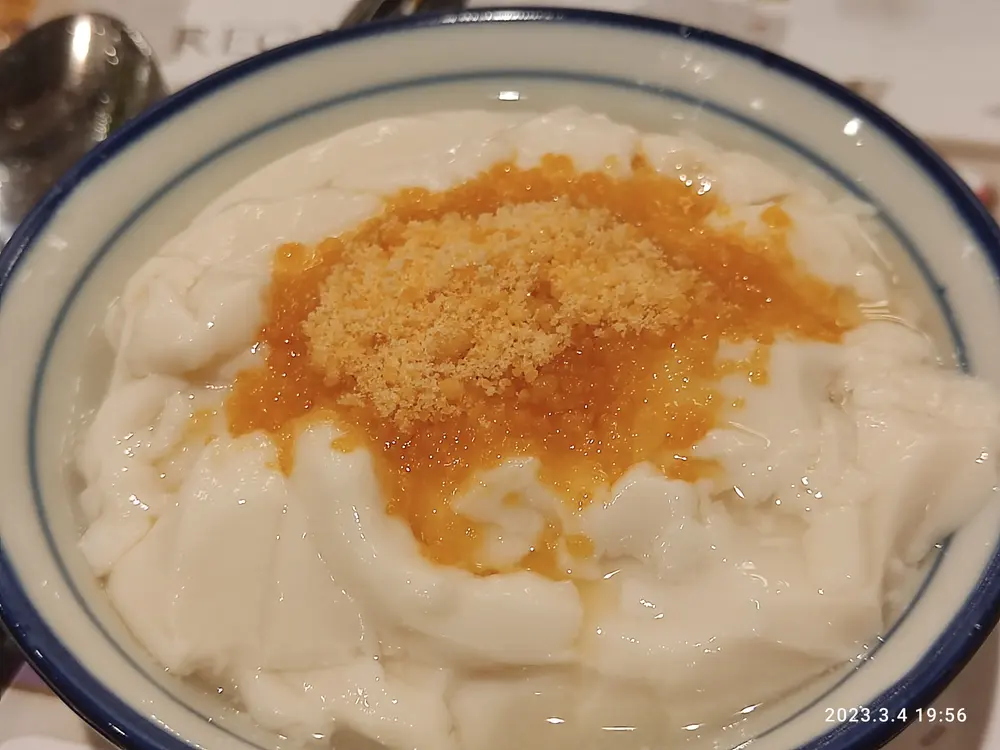
Sham Shui Po soy-food tasting walk
A tasting walk built around tofu, soy milk and other soy foods in Sham Shui Po.
Check availabilityBook via GetYourGuide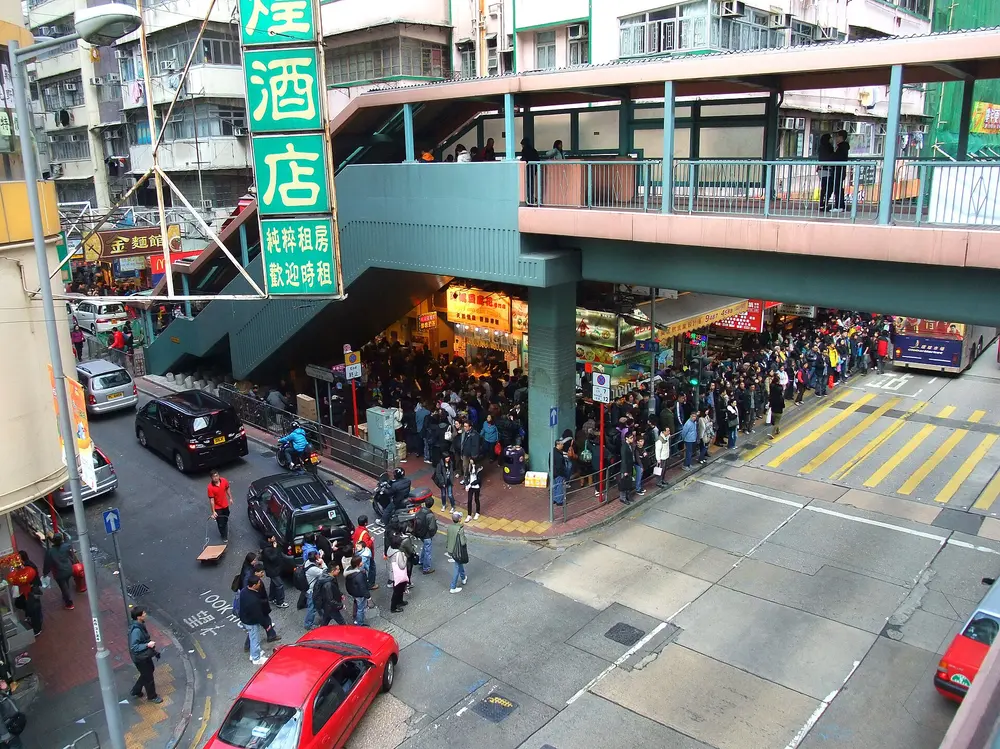
Dark side of Hong Kong walking tour
A guided half-day walk through the Hong Kong of caged homes and subdivided flats behind the skyline.
Check availabilityBook via GetYourGuide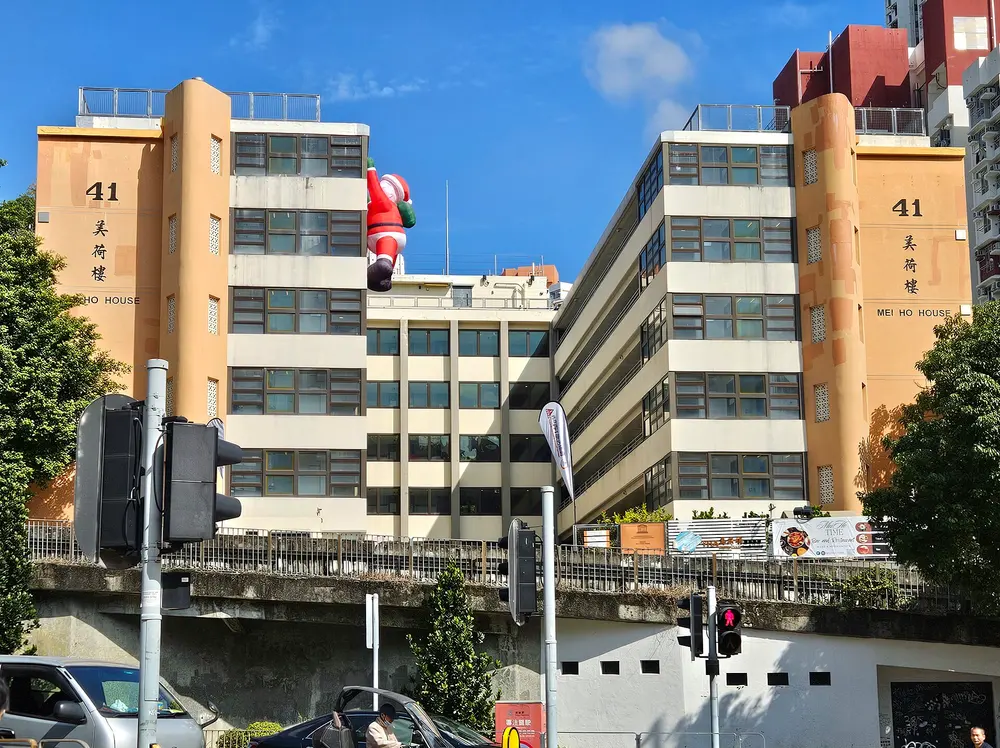
Mei Ho House half-day tour
A half-day group tour built around Mei Ho House, the restored 1950s resettlement block in Shek Kip Mei.
Check availabilityBook via Klook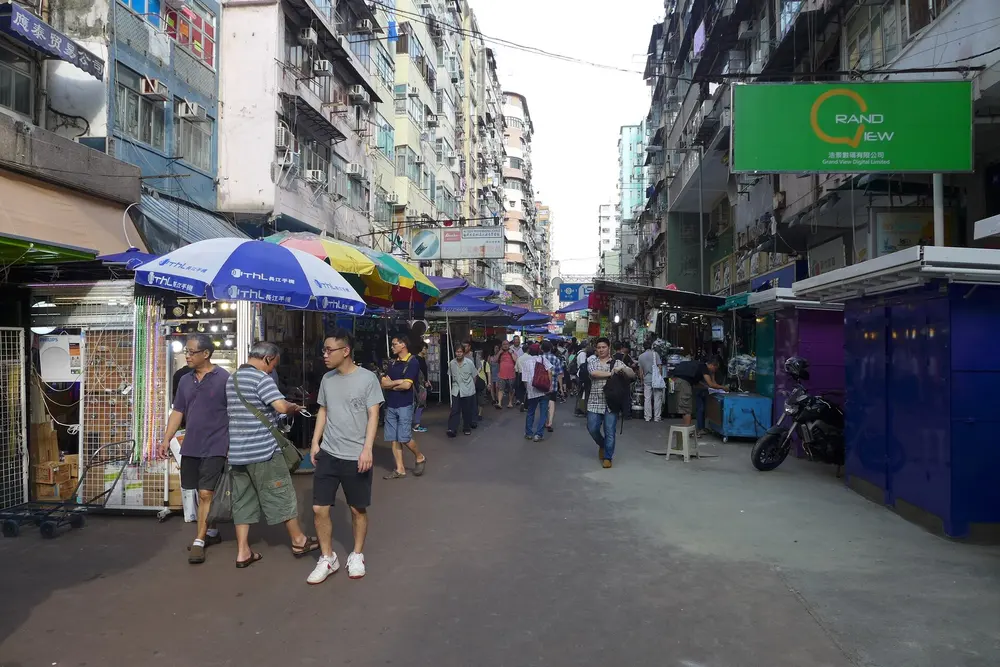
Sham Shui Po and Temple Street half-day tour
A small-group half day in Sham Shui Po's markets and Temple Street.
Check availabilityBook via KlookTour listings are on GetYourGuide. Prices, times and cancellation terms are shown live on each listing and can change; HongKongTravel.com may earn a commission at no extra cost to you.
Plan your visit to Sham Shui Po
- Things to doA street-by-street guide to Sham Shui Po: electronics, fabric, beads and leather, the…
- ToursGuided walks that explain Sham Shui Po: soy-food and dim sum tastings, public housing…
- FoodSham Shui Po's food specialists: Kung Wo's tofu pudding, Lau Sum Kee's bamboo-pressed…
- Where to stayFew hotels but real character: the YHA hostel in Mei Ho House, small budget hotels by…
- Getting thereWhich MTR station for the markets, Mei Ho House and the Han tomb; routes from Tsim Sha…
Frequently asked questions
Is Sham Shui Po worth visiting?
Yes, for anyone interested in everyday Hong Kong: the trade streets, Apliu Street's electronics, Mei Ho House and some of the city's best cheap food. Allow half a day.
What is Sham Shui Po known for?
Electronics and second-hand gadgets on Apliu Street, the fabric, button and bead streets, inexpensive MICHELIN Bib Gourmand eateries and its history as a working-class district.
Is Sham Shui Po safe for tourists?
Yes. It is busy and ordinary; normal city precautions apply. Be respectful when photographing residents and homes.
When are the Sham Shui Po fabric shops open?
Most open from about 10–11 am to 6–7 pm; some close on Sundays and public holidays. Weekdays are best.
Is Mei Ho House free?
Yes, the Heritage of Mei Ho House museum is free. It opens Tuesday to Sunday and public holidays, 10 am to 6 pm (closed Mondays), as listed in November 2026.
How do I get to Sham Shui Po?
Take the MTR Tsuen Wan line to Sham Shui Po station – about 20 minutes from Central and 10 minutes from Tsim Sha Tsui.
Sources and official information
Facts were checked against these official sources in November 2026. Opening hours, fares and timetables change, so confirm before you go.
HongKongTravel.com is an independent guide, not the official site of the Hong Kong Tourism Board, the HKSAR Government or any operator. Some links are affiliate links: tours go to {tours} and hotels go to {hotels}, and we may earn a commission at no extra cost to you.