In short
- Hong Kong street food is mostly sold from small shopfront stalls (not carts): skewers, waffles and snacks handed over the counter, eaten standing on the pavement.
- Must-tries: egg waffles (雞蛋仔), curry fish balls (咖喱魚蛋), fish siu mai, stinky tofu, three stuffed treasures, cart noodles, beef offal, put chai ko and tofu pudding.
- Best areas: Mong Kok (Dundas Street and Sai Yeung Choi Street South), Sham Shui Po (Kweilin and Pei Ho Streets), Temple Street at night, Causeway Bay, and the islands of Cheung Chau and Tai O.
- Most snacks cost a few dozen Hong Kong dollars; pay with cash or Octopus. Licensed shops are inspected by the Food and Environmental Hygiene Department.
- Add a dessert: tofu pudding, mango sago, or a cone from a Mobile Softee ice-cream van.
How street food works in Hong Kong
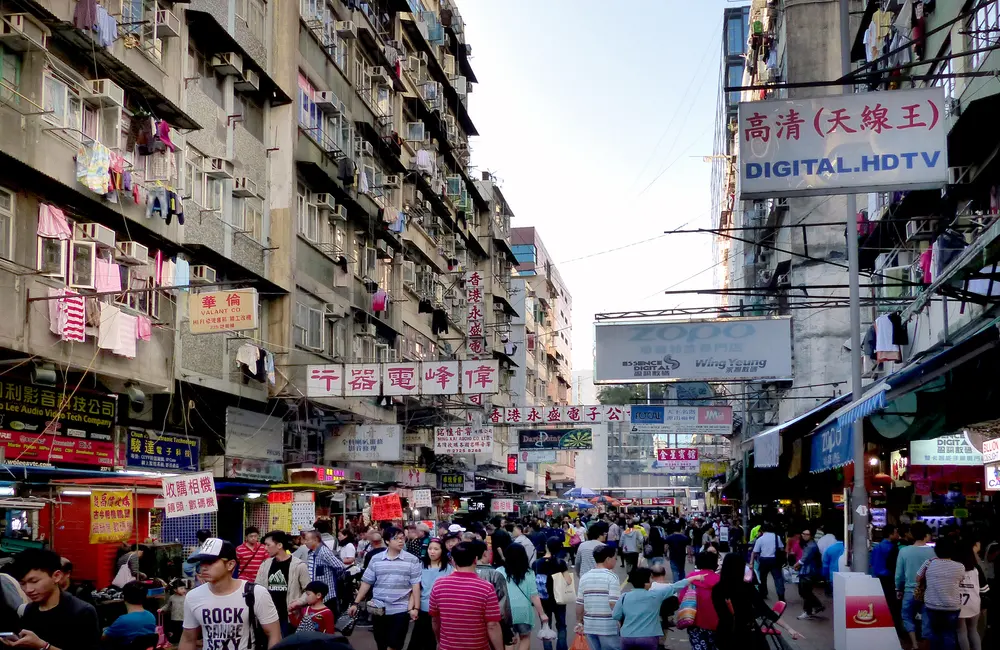
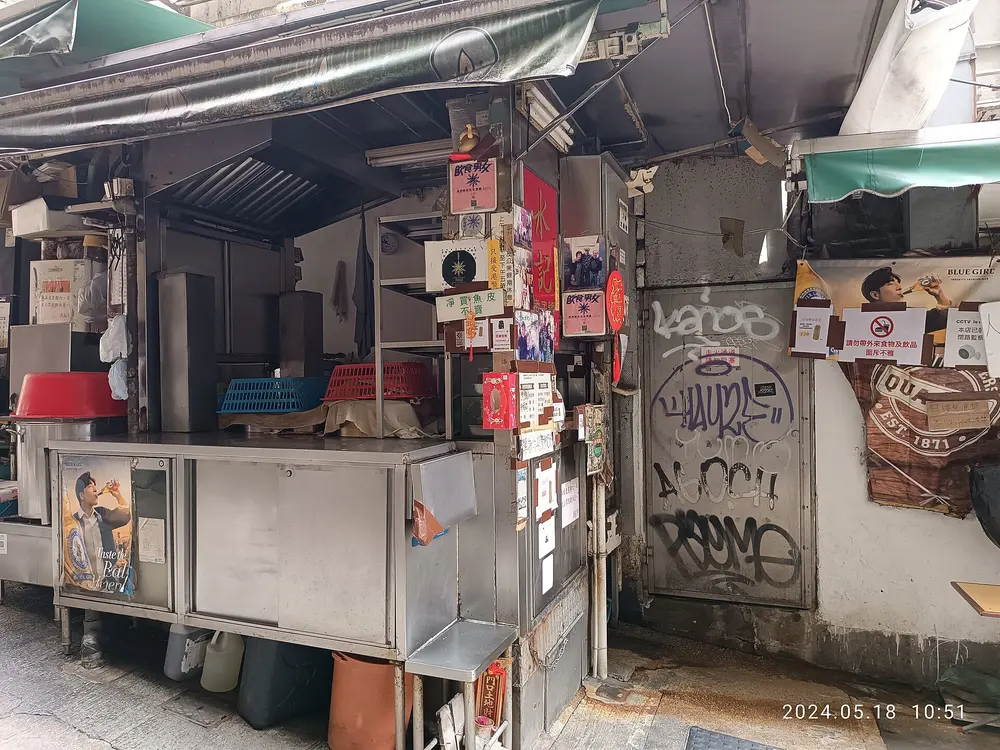
Mid-century Hong Kong was full of hawker carts, but the government has issued few new hawker licences since the 1970s, and most of today's street food comes from narrow shopfronts open to the pavement – a counter, a few steaming pots, skewers and a queue. You order, pay (cash or Octopus), get your snack in a paper bag or a cup with a bamboo skewer, and eat standing nearby. There are a few genuine stalls in markets and at Temple Street's night market, plus the cooked-food centres above municipal markets, where cheap hot meals are served at shared tables.
Eating while walking is acceptable, but on the MTR it is forbidden (no eating or drinking in paid areas and trains, with fines). Bins are fewer than you might hope; finish your snack by the stall.
15 Hong Kong street snacks to try
| Snack | Chinese | Jyutping | What it is |
|---|---|---|---|
| Egg waffle | 雞蛋仔 | gai1 daan6 zai2 | Bubble-shaped waffle, crisp outside and soft inside; now in flavours from chocolate to matcha |
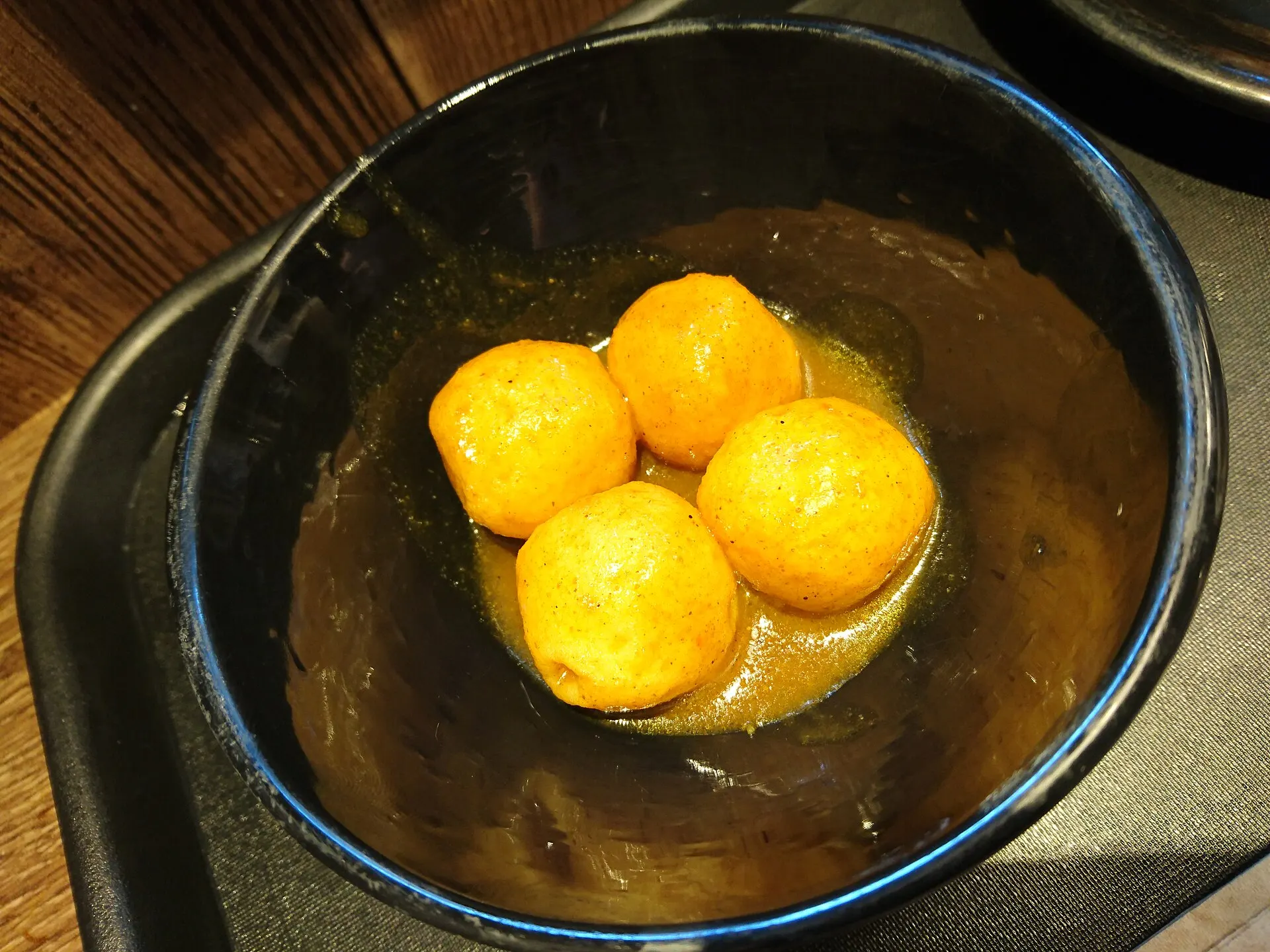
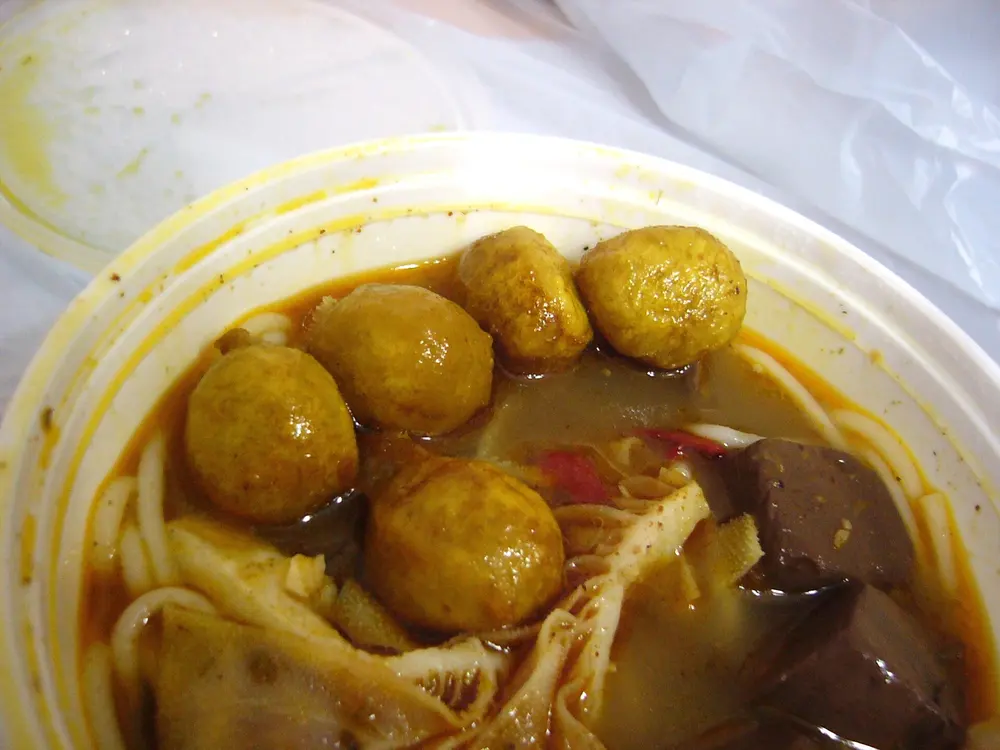
| Curry fish balls | 咖喱魚蛋 | gaa3 lei1 jyu4 daan2 | Fish balls in a mild curry sauce on a skewer – the essential Hong Kong snack |
| Fish siu mai | 魚肉燒賣 | jyu4 juk6 siu1 maai2 | Street version of siu mai made from fish paste, doused in soy and chilli oil |
| Stinky tofu | 臭豆腐 | cau3 dau6 fu6 | Fermented tofu deep-fried until crisp; smells strong, tastes mild – with sweet sauce and chilli |
| Three stuffed treasures | 煎釀三寶 | zin1 joeng6 saam1 bou2 | Peppers, aubergine and tofu stuffed with fish paste and pan-fried; choose your pieces |
| Cart noodles | 車仔麵 | ce1 zai2 min6 | Pick-your-own noodle bowl with fish balls, radish, pig skin, beef balls and more |
| Beef offal | 牛雜 | ngau4 zaap6 | Stewed tripe, intestine and lung on a skewer, for the adventurous |
| Grilled squid | 魷魚 | jau4 jyu4 | Grilled or deep-fried squid skewers |
| Hong Kong waffle | 格仔餅 | gaak3 zai2 beng2 | Grid waffle folded with peanut butter, condensed milk and sugar |
| Put chai ko | 砵仔糕 | but3 zai2 gou1 | Steamed rice-flour pudding with red beans, eaten from a little bowl on sticks |
| Dragon's beard candy | 龍鬚糖 | lung4 sou1 tong4 | Fine sugar threads wrapped around peanuts and sesame |
| Egg tart | 蛋撻 | daan6 taat1 | Warm custard tart from a bakery window |
| Pineapple bun | 菠蘿包 | bo1 lo4 baau1 | Sweet bun with a crackly top (no pineapple), often with butter |
| Tofu pudding | 豆腐花 | dau6 fu6 faa1 | Silky soy pudding with ginger syrup or brown sugar |
| Sugarcane juice | 蔗汁 | ze3 zap1 | Freshly pressed, sold by juice and herbal-tea shops |
Egg waffles and curry fish balls: the icons
If you eat only two street snacks in Hong Kong, make them these. Egg waffles (gai daan zai, 'little eggs') are poured into a hinged iron with half-spherical cells and cooked over flame or electric heat until the bubbles are crisp at the edges and custardy inside. They appeared in the 1950s; one theory is that vendors made them from broken eggs they couldn't sell. Eat them straight from the iron, before the steam softens them. Shops now sell them with fruit, ice cream and savoury fillings.
Curry fish balls (gaa lei jyu daan) are smaller, firmer and cheaper than restaurant fish balls, simmered in a sweetish curry and sold by the skewer. They are so much a part of daily life that a skewer is often the first thing returning Hong Kongers buy. Ask for laat (辣, spicy) and add a cup of beef offal or pig skin if you're feeling brave.
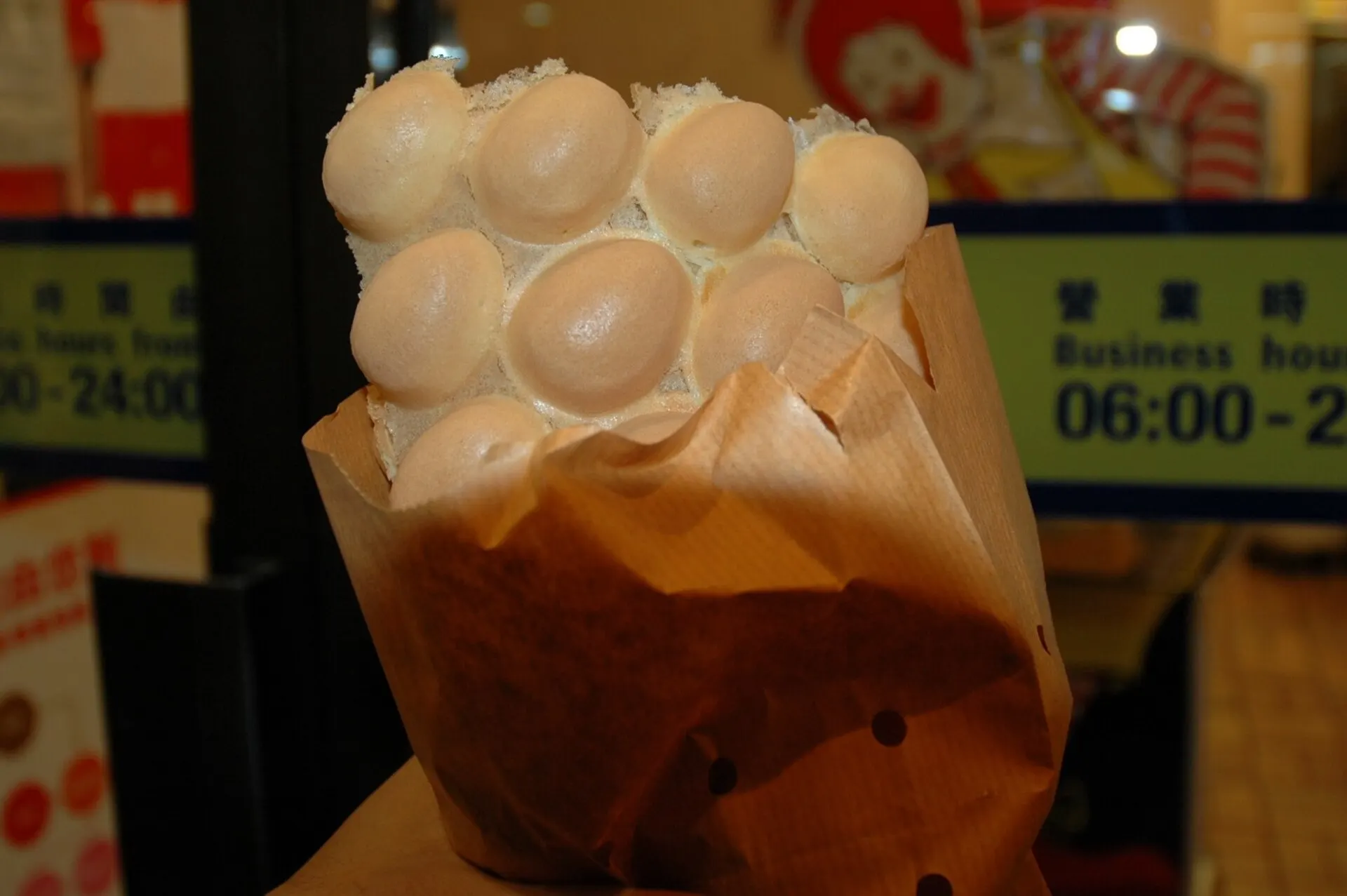
Egg waffles (gai daan zai), best eaten straight from the iron.
Where to eat street food in Hong Kong
- Mong Kok: the densest cluster, on Dundas Street, Sai Yeung Choi Street South and around the Ladies' Market – stinky tofu, waffles, fish balls and tea shops. See Mong Kok and Yau Ma Tei.
- Sham Shui Po: cheaper and more local, around Kweilin Street, Pei Ho Street and Apliu Street: tofu pudding, rice rolls, cart noodles and bakeries. See Sham Shui Po.
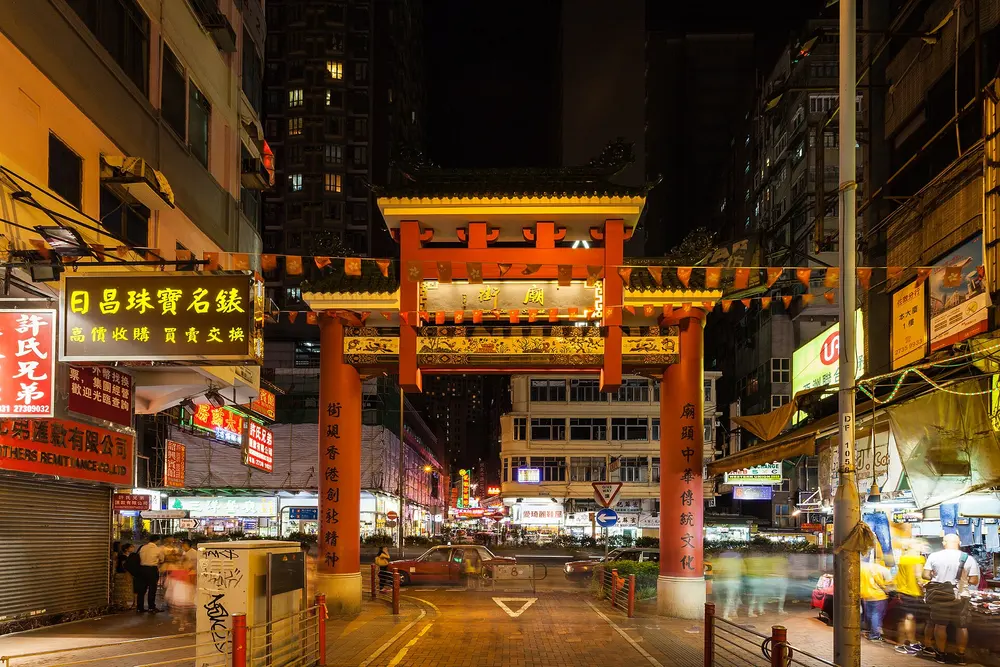
- Temple Street night market: seafood stalls and claypot rice at outdoor tables after dark. See night markets.
- Causeway Bay and North Point: snack shops on the side streets off Hennessy Road and along Chun Yeung Street's tram-track market.
- Central: dai pai dong on Stanley Street and Gutzlaff Street, and the bakeries of Lyndhurst Terrace.
- Cheung Chau: giant fish balls, mango mochi and 'large' egg waffles near the ferry pier – see Cheung Chau.
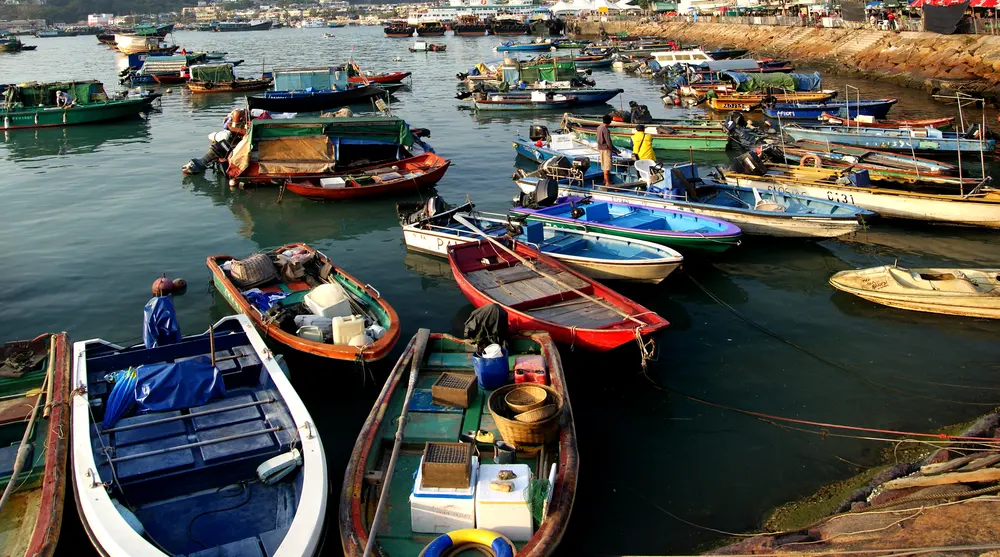
- Tai O: grilled seafood, shrimp paste and egg waffles in the fishing village on Lantau – see Lantau.
Cart noodles and other street meals
Cart noodles (ce zai min) began in the 1950s, when hawkers pushed carts of simmering pots through poor neighbourhoods and customers chose a noodle and toppings. Today they are sold from small shops: tick boxes on a menu for noodle type (yellow noodles, rice vermicelli, instant noodles), broth, and toppings from fish balls and radish to pig's blood and chicken wings. It is the original custom-built meal and costs little.
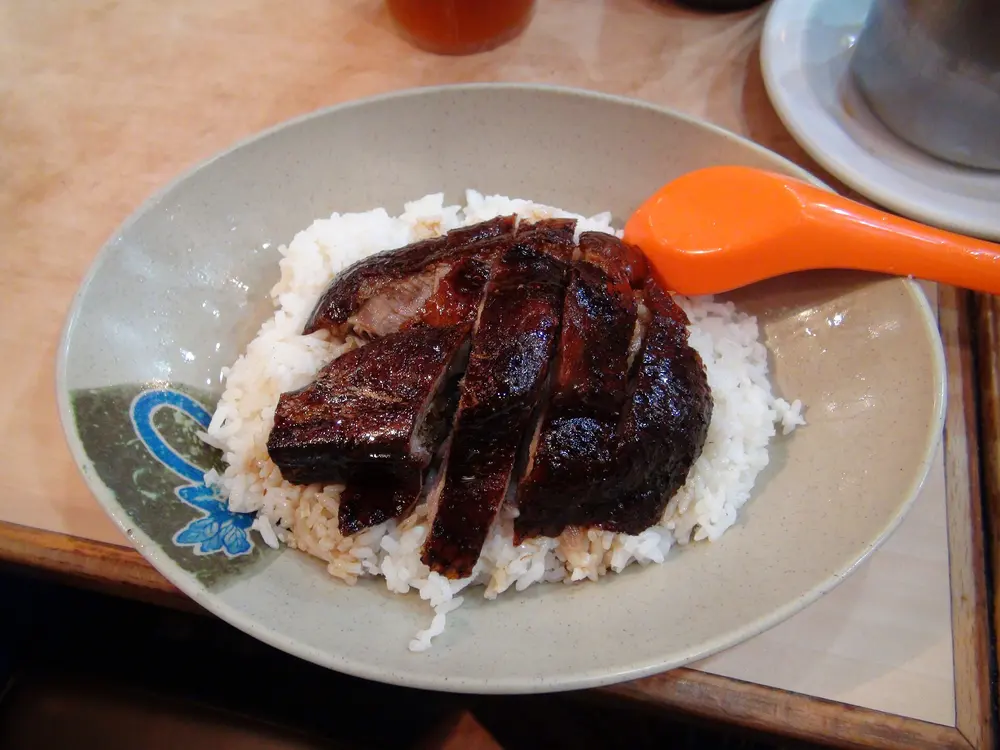
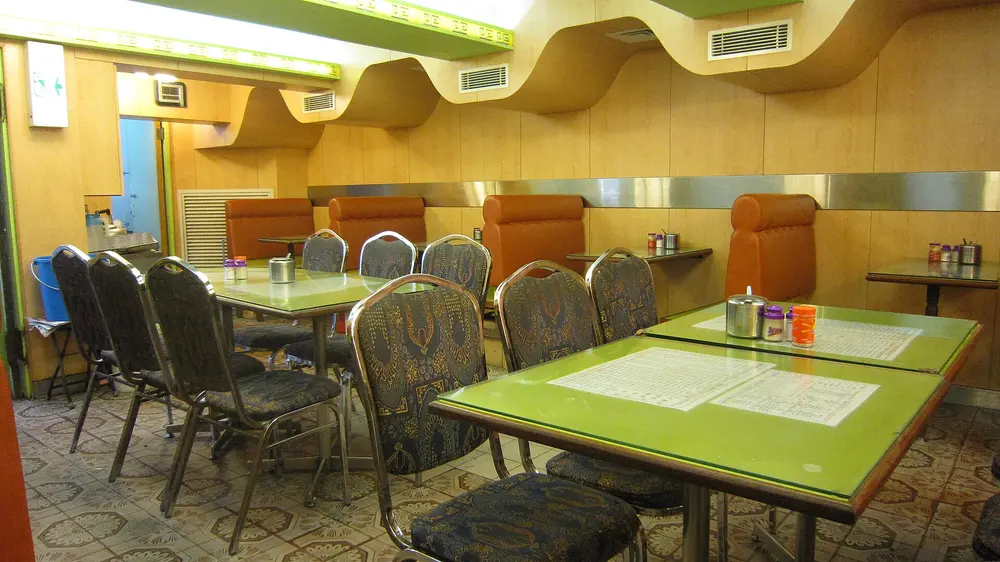
For something more substantial without a restaurant, try a cooked-food centre (熟食中心) above a municipal market: Bowrington Road in Wan Chai, Smithfield in Kennedy Town or Kowloon City's market building, where stalls serve fried rice, congee, roast meats and milk tea to office workers at shared tables. Look for the FEHD licence displayed at each stall.
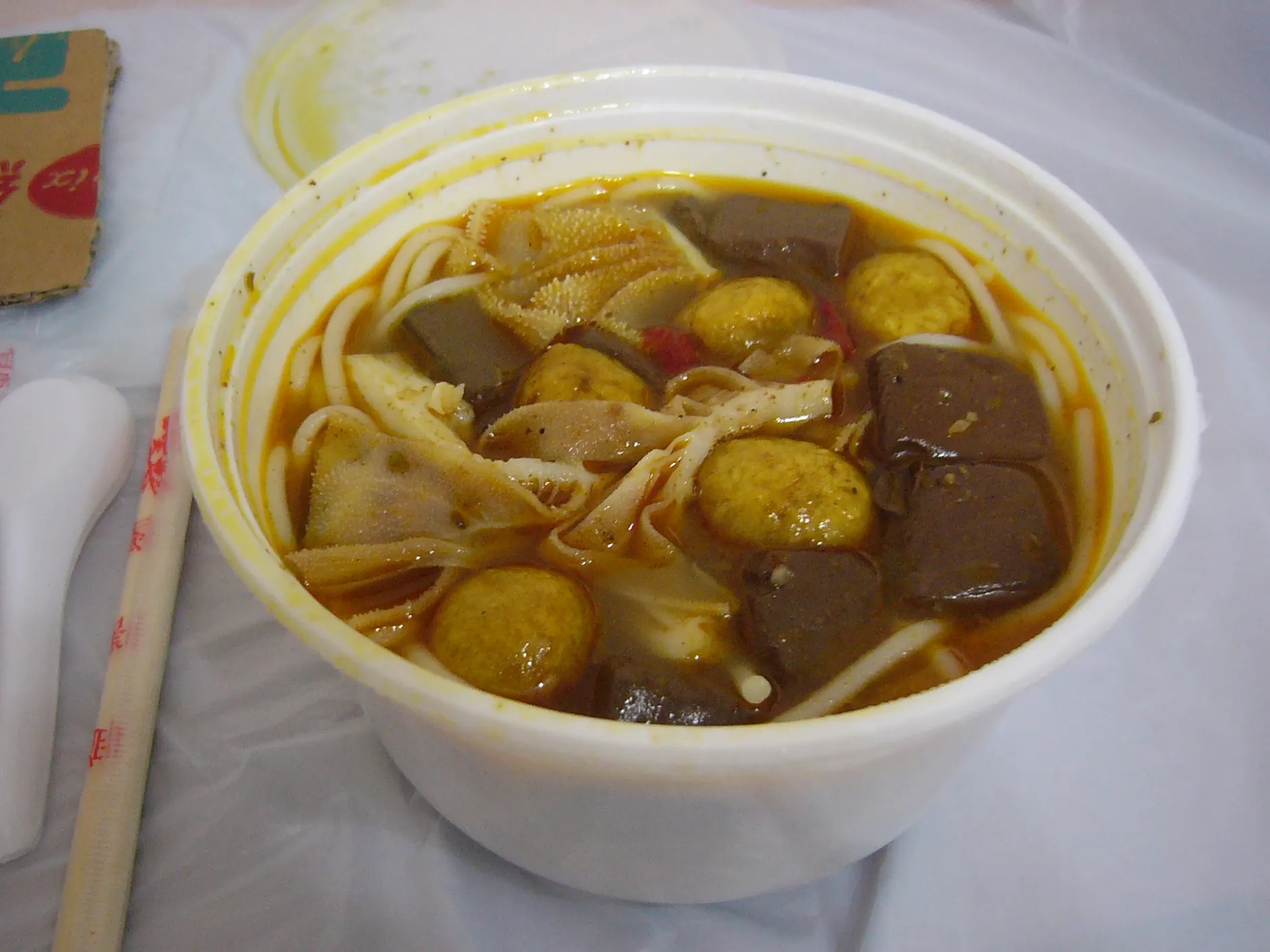
Cart noodles: choose your noodles, broth and toppings.
Desserts and drinks on the street
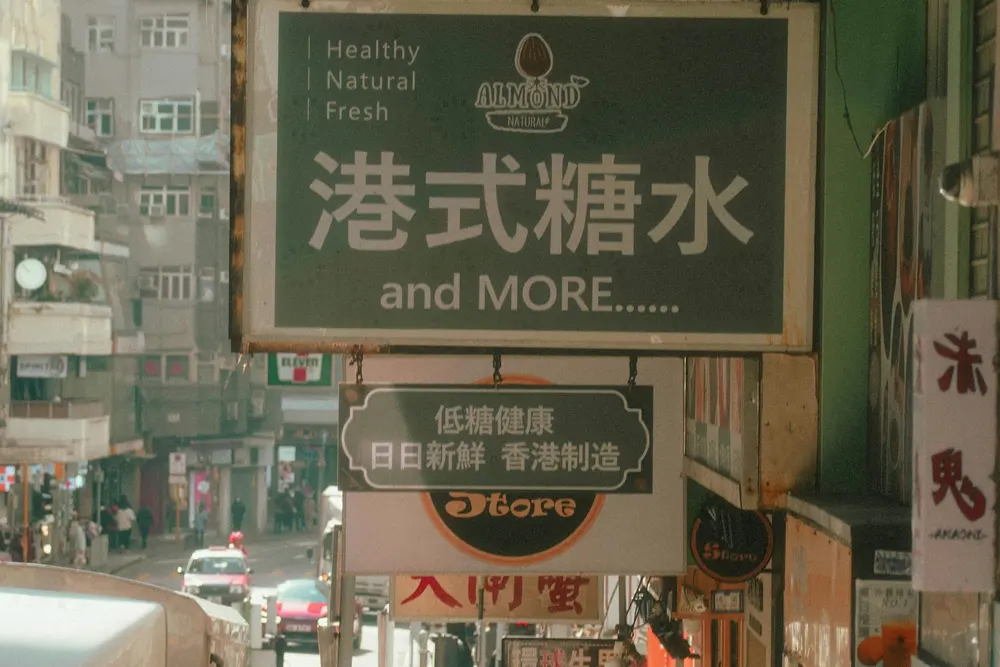
Dessert shops (糖水舖 tong4 seoi2 pou3) open into the night: mango pomelo sago (楊枝甘露), black sesame soup, sweet potato and ginger soup, and durian pancakes. Herbal tea shops (涼茶舖) sell bitter brews said to cool the body, plus sugarcane juice. In summer, Mobile Softee vans – Hong Kong's white ice-cream trucks – play their tune at parks and ferry piers. Bubble tea and fruit tea chains are everywhere, many from Taiwan and the mainland.
Tips for eating street food
- Carry small notes, coins or an Octopus card; many stalls don't take credit cards.
- Follow the queue: a line of locals is the best quality signal.
- Eat near the stall and use the bins provided; don't eat on the MTR.
- For spice, ask for laat (辣); for no spice, m jiu laat (唔要辣).
- If you have allergies, remember that fish paste, shrimp and peanut sauce are common.
- Go in the late afternoon or evening, when most stalls are open and the streets are lively.
Street food tours
A guided walk is the quickest way to try a dozen snacks in an evening and hear the stories behind them. These tours are run by independent operators and described from their listing titles.
Best street food tour with a local guide
A guided street-food walk with tastings chosen by a local.
Check availabilityBook via GetYourGuide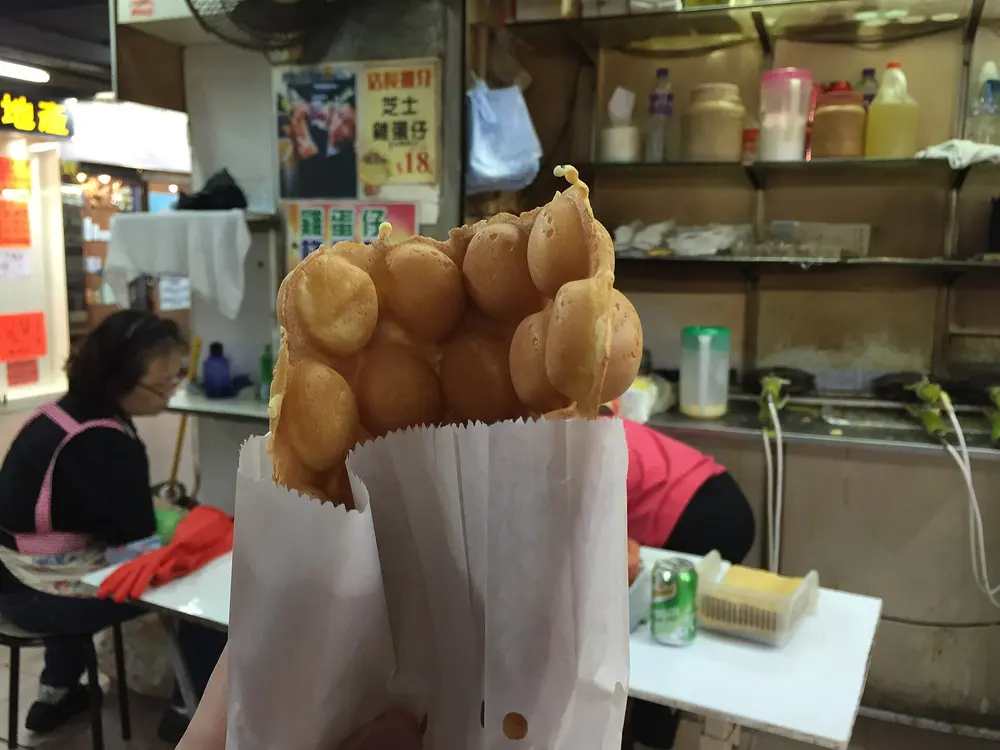
Taste of Kowloon: Michelin street food and culture walk
A Kowloon walk combining street food described by the operator as Michelin-listed with neighbourhood culture.
Check availabilityBook via GetYourGuide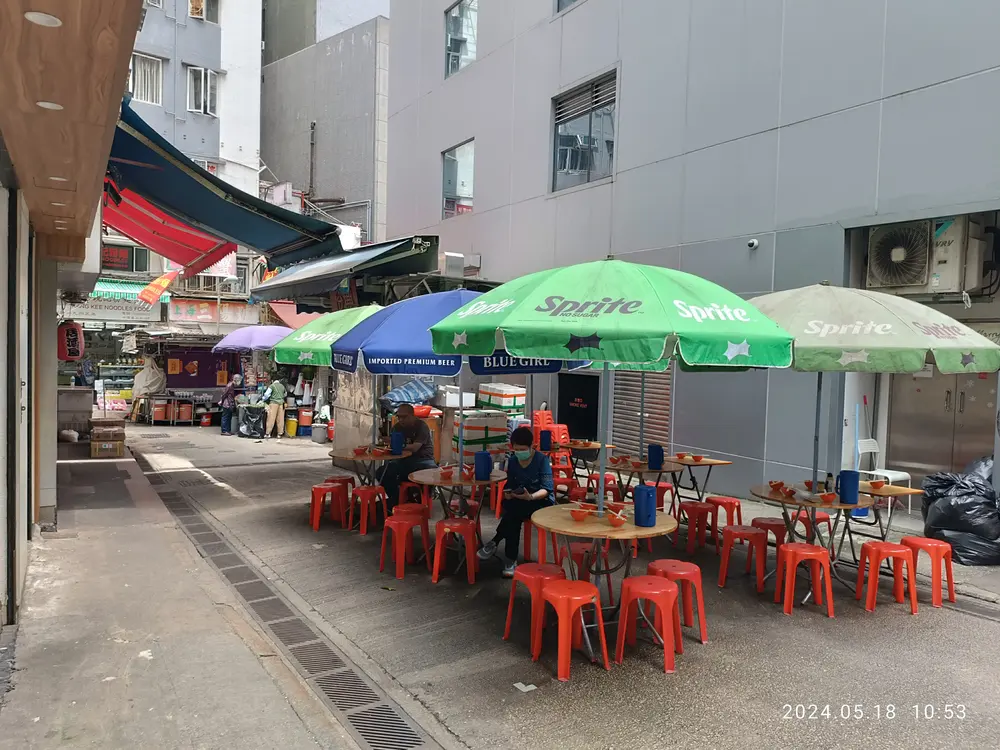
Central street food tour (small group)
Two and a half hours tasting local food in Central's lanes with a guide, in a small group.
Check availabilityBook via Klook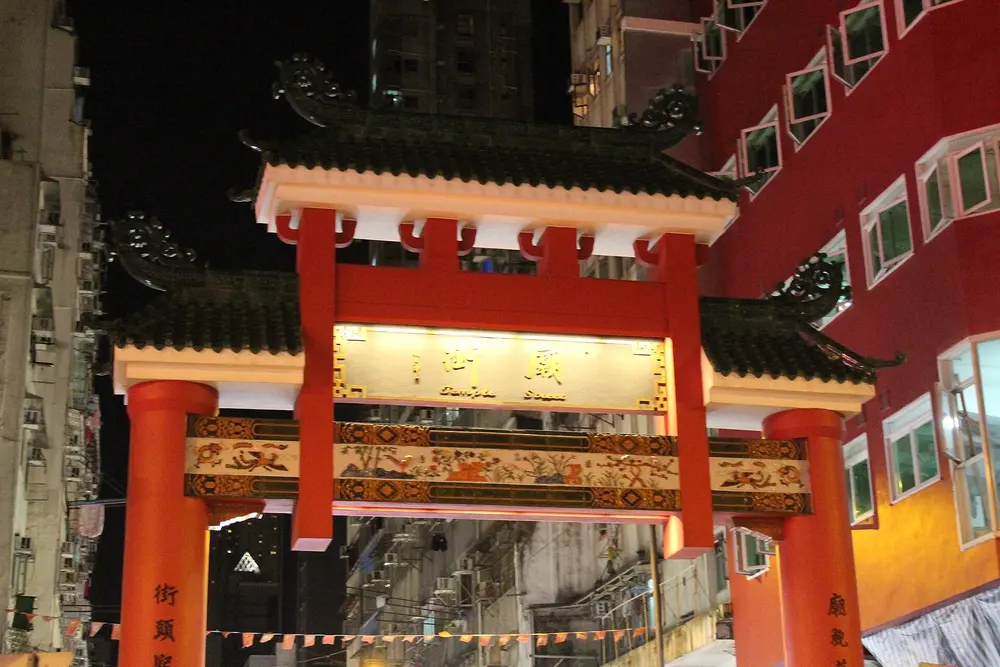
Kowloon night markets and street food private tour
A private evening tour of Kowloon night markets with street-food tastings.
Check availabilityBook via GetYourGuideTour listings are on GetYourGuide. Prices, times and cancellation terms are shown live on each listing and can change; HongKongTravel.com may earn a commission at no extra cost to you.
Frequently asked questions
What is the most famous street food in Hong Kong?
Egg waffles (gai daan zai) and curry fish balls, followed by fish siu mai, stinky tofu, three stuffed treasures and cart noodles.
Where is the best street food in Hong Kong?
Mong Kok (Dundas Street and Sai Yeung Choi Street South), Sham Shui Po (Kweilin and Pei Ho Streets), Temple Street at night, and the islands of Cheung Chau and Tai O.
Is street food in Hong Kong safe?
Generally yes. Food shops and stalls are licensed and inspected by the Food and Environmental Hygiene Department; choose busy places where food turns over quickly.
How much does street food cost in Hong Kong?
Most snacks cost a few dozen Hong Kong dollars or less. Prices are displayed at each stall; pay by cash or Octopus.
What is stinky tofu?
Fermented tofu that is deep-fried until crisp and served with sweet sauce and chilli. Its smell is strong, but the taste is milder than you might expect.
Can I eat on the MTR in Hong Kong?
No. Eating and drinking are not allowed in the paid areas of MTR stations or on trains, and offenders can be fined.
Sources and official information
Facts were checked against these official sources in November 2026. Opening hours, fares and timetables change, so confirm before you go.
HongKongTravel.com is an independent guide, not the official site of the Hong Kong Tourism Board, the HKSAR Government or any operator. Some links are affiliate links: tours go to {tours} and hotels go to {hotels}, and we may earn a commission at no extra cost to you.