In short
- The currency is the Hong Kong dollar (HK$, HKD), linked to the US dollar since 1983 (at 7.80) and kept within HK$7.75–7.85 per US$ (a band in place since 2005). Notes are issued by three banks (HSBC, Standard Chartered, Bank of China) plus the government's HK$10 note; all are equally valid.
- Cards (Visa, Mastercard, UnionPay, Amex in larger places) are accepted almost everywhere; cash is still needed for some street stalls, minibuses and old-style eateries. Alipay and WeChat Pay are widely accepted.
- Tipping is not expected: most sit-down restaurants add a 10% service charge. Round up taxi fares; tip porters a few dollars.
- Daily budget (per person, excluding hotel, as of late 2026): about HK$300–500 on a shoestring, HK$800–1,500 mid-range, much more if you dine in hotel restaurants.
The Hong Kong dollar
Hong Kong has its own currency, separate from the Chinese renminbi (RMB) used across the border. The Hong Kong dollar (港元, gong2 jyun4; colloquially man1, 蚊) has been linked to the US dollar since 17 October 1983 under the Linked Exchange Rate System, and the Hong Kong Monetary Authority (HKMA) keeps it within a band of HK$7.75 to HK$7.85 per US dollar. So if you know the US dollar rate of your own currency, you know the Hong Kong dollar rate within about 1%.
Renminbi is accepted in some shops near the border and in tourist areas, usually at a poor rate; Macau's pataca is not accepted in Hong Kong, while Hong Kong dollars are widely accepted in Macau.
This guide's homepage has a live HKD converter; rates there come from a public exchange-rate feed and show the time of the last update.
- Currency
- Hong Kong dollar (HKD, HK$)
- Peg
- Linked to US$ since 1983; HK$7.75–7.85 band since 2005
- Notes
- HK$10, 20, 50, 100, 500, 1,000
- Coins
- 10¢, 20¢, 50¢, HK$1, 2, 5, 10
- Sales tax / VAT
- None
- Service charge
- Usually 10% in sit-down restaurants
Banknotes from three banks
Hong Kong is one of the few places where commercial banks print the money. HSBC, Standard Chartered and Bank of China (Hong Kong) each issue HK$20, 50, 100, 500 and 1,000 notes in their own designs, under HKMA supervision; the HK$10 note is issued by the government. So you will see three different HK$100 notes, all worth exactly the same. The current 2018 series shares a colour per value (HK$20 blue, HK$50 green, HK$100 red, HK$500 brown, HK$1,000 orange-gold), which makes sorting easy.
Older series remain legal tender. HK$1,000 notes are sometimes refused in small shops and minibuses; ask for HK$100s and HK$500s when you change money.
ATMs and changing money
- ATMs are everywhere: in MTR stations, bank branches and convenience stores. Foreign cards on the Visa/Plus, Mastercard/Cirrus and UnionPay networks work in most of them. Your bank and sometimes the ATM operator charge a fee; choose to be charged in HKD when asked, not in your home currency.
- Money changers in tourist areas display buy and sell rates. Rates vary widely: the counters at the airport and in hotels are usually the worst. Licensed money changers in Tsim Sha Tsui and Central often beat the banks; compare the rate and any commission before you hand over cash.
- Banks change money for customers and sometimes for visitors with a passport, but opening hours are limited (typically weekdays and Saturday mornings).
For a week-long trip, many visitors arrive with a few hundred dollars from home or an airport ATM, buy an Octopus card and pay by card for most things.
Cards, Octopus and mobile wallets
Hong Kong is a card city. Hotels, restaurants, department stores, malls and chain shops take Visa and Mastercard; UnionPay is almost universal; American Express and JCB are common in larger places. Contactless payment is normal, and as covered in our Octopus guide a contactless bank card now works on most public transport.
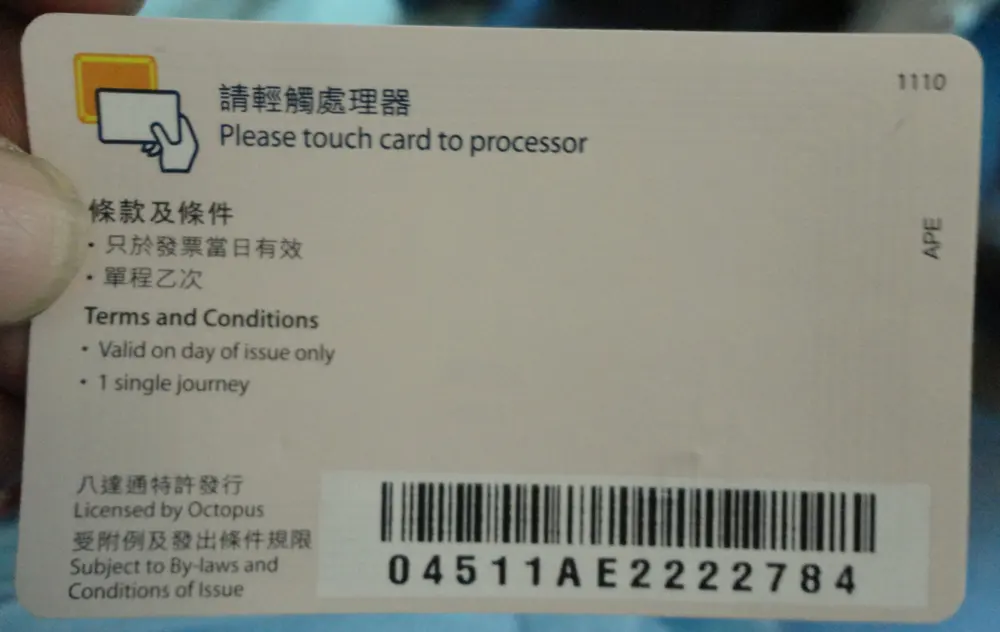
- Octopus is still the fastest way to pay at convenience stores, bakeries, fast-food chains and vending machines.
- Alipay and WeChat Pay (the mainland versions) are accepted at a very large number of shops, restaurants and taxis, a legacy of mainland visitor numbers. Visitors from elsewhere can link an international card to Alipay or WeChat Pay and use them in Hong Kong too.
- Alipay+ partner wallets from several Asian countries are accepted where merchants show the Alipay+ sign.
- AlipayHK, WeChat Pay HK, PayMe and FPS are local wallets aimed at residents; they need a Hong Kong phone number or bank account.
- Apple Pay, Google Pay and Samsung Pay work wherever contactless cards are accepted.
Cash is still needed at some dai pai dong (open-air food stalls), wet markets, minibuses, temple donation boxes and small family restaurants. Carry HK$300–500 in small notes as a backup.
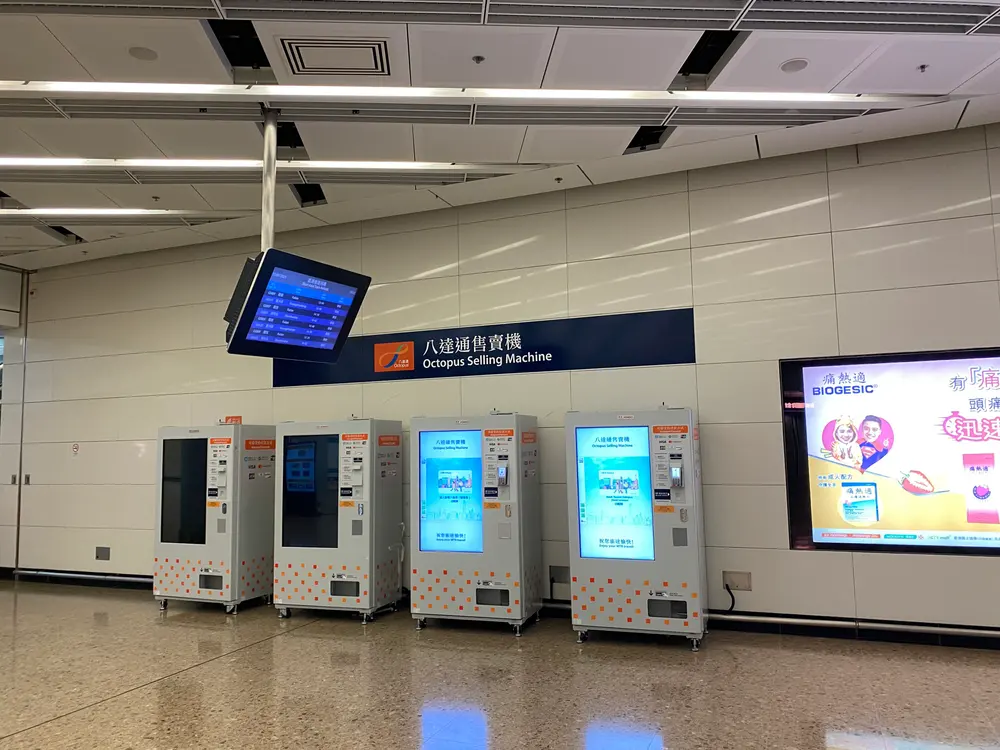
Hong Kong Tourist Octopus card
Tourist version of the Octopus stored-value card for transport and small purchases.
Check availabilityBook via KlookTour listings are on Klook. Prices, times and cancellation terms are shown live on each listing and can change; HongKongTravel.com may earn a commission at no extra cost to you.
Tipping and the 10% service charge
Tipping is not part of the culture in the way it is in North America:
- Restaurants: most sit-down restaurants, including many dim sum halls, add a 10% service charge (加一, gaa1 jat1, 'add one') to the bill. No further tip is expected, although leaving the small change is common. Cha chaan teng, noodle shops and fast food add no service charge and expect no tip.
- Taxis: round up to the next dollar or two.
- Hotels: HK$10–20 per bag for porters is appreciated; housekeeping tips are optional.
- Guides and drivers on private tours: a tip for good service is customary but not obligatory.
- Bars: no tip expected; upscale bars include a service charge.
Some restaurants also charge for tea, peanuts or pickles placed on the table; it is normal and listed on the menu.
What things cost: dated examples
Hong Kong has a reputation for being expensive, mostly because of hotel rates. Getting around and eating local are reasonable. Official fares as checked November 2026, and typical price ranges observed in late 2026:
| Item | Price (HK$) | Notes |
|---|---|---|
| Tram ride | 3.3 | Flat fare, Hong Kong Tramways |
| Star Ferry, Central–Tsim Sha Tsui | 5.0 / 6.5 | Upper deck weekday / weekend; up to 6 / 8.3 from 25 Jan 2027 |
| MTR, Central–Tsim Sha Tsui | ≈ 13 | Octopus fare |
| Airport Express to Central | 120 | Octopus / contactless card |
| Peak Tram, return | 116 | Adult, since 29 Dec 2025 |
| Red taxi flagfall | 29 | First 2 km |
| Cha chaan teng breakfast set | ≈ 40–70 | Typical range |
| Bowl of wonton noodles | ≈ 40–70 | Typical range |
| Dim sum lunch per person | ≈ 100–250 | Local restaurant, plus 10% |
| Pint of beer in a bar | ≈ 60–100 | Lower at happy hour |
| LCSD museum permanent exhibitions | Free | Science and Space Museums charge; Science Museum free on Wednesdays |
Daily budgets
- Shoestring (about HK$300–500 a day plus accommodation): Octopus for trams, ferries and MTR, cha chaan teng breakfasts, noodle and rice lunches, a market dinner, free sights (see free things to do). Hostel or guesthouse beds in Tsim Sha Tsui and Mong Kok.
- Mid-range (about HK$800–1,500 a day plus accommodation): a dim sum lunch, one paid attraction a day (the Peak Tram, Ngong Ping 360, a harbour cruise), taxis now and then, a good Cantonese dinner and drinks.
- Comfort (HK$2,000+ a day plus accommodation): hotel restaurants, afternoon tea, Disneyland or Ocean Park, guided tours and bars with a view.
Hotels are the big variable. Since 1 January 2025, a 3% hotel accommodation tax has been charged on room rates. For hotels at every level, see where to stay in Hong Kong.
Attraction passes can cut costs if you plan to see several paid sights in a short time.
Go City Hong Kong Explorer Pass
Choose a set number of attractions from a list and visit them on one pass.
Check availabilityBook via GetYourGuide
Hong Kong attraction pass
Bundle pass covering a choice of Hong Kong attractions and activities.
Check availabilityBook via KlookTour listings are on GetYourGuide. Prices, times and cancellation terms are shown live on each listing and can change; HongKongTravel.com may earn a commission at no extra cost to you.
Saving money in Hong Kong
- Ride the trams (HK$3.3) and the Star Ferry instead of taxis for sightseeing.
- Eat the set lunches: many restaurants, including good Cantonese and Western ones, offer weekday lunch sets far cheaper than dinner.
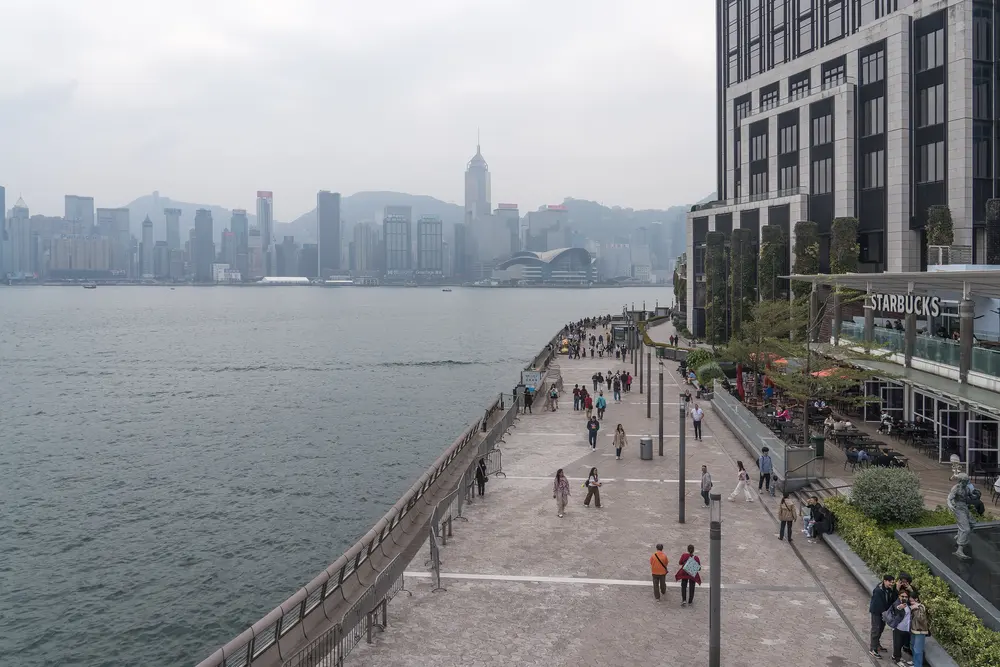
- Visit the free sights: temples, parks, hikes, beaches, the Avenue of Stars and the LCSD museums' permanent exhibitions.
- Use the Airport Express round-trip ticket or the buses for the airport.
- Shop at local markets and chain pharmacies rather than hotel shops; compare prices on electronics and check warranties.
- Avoid changing money at the airport or hotel; use an ATM or a licensed money changer.
Frequently asked questions
Should I bring cash to Hong Kong?
Bring a card or two and some cash. Cards and mobile payments are accepted almost everywhere, but street stalls, minibuses, wet markets and some small restaurants are cash-only. HK$300–500 in small notes is a sensible float.
Can I use Alipay or WeChat Pay in Hong Kong?
Yes. Mainland Alipay and WeChat Pay are widely accepted in shops, restaurants, taxis and on transport via QR codes. Visitors from outside the mainland can link an international card to these apps.
Do you tip in Hong Kong?
Generally no. Sit-down restaurants usually add a 10% service charge; rounding up taxi fares and giving porters HK$10–20 per bag is polite.
Why do Hong Kong banknotes look different?
Three commercial banks (HSBC, Standard Chartered and Bank of China (Hong Kong)) issue banknotes, and the government issues the HK$10 note. All designs of the same value are equally valid.
Is Hong Kong expensive for tourists?
Hotels are expensive; transport is cheap and local food is good value. Outside the hotel bill, a mid-range traveller spends roughly HK$800–1,500 a day (late 2026).
Is there a tourist tax in Hong Kong?
There is no arrival tax or sales tax. A 3% hotel accommodation tax applies to hotel room rates from 1 January 2025, and a departure tax is included in airline tickets.
Sources and official information
Facts were checked against these official sources in November 2026. Opening hours, fares and timetables change, so confirm before you go.
HongKongTravel.com is an independent guide, not the official site of the Hong Kong Tourism Board, the HKSAR Government or any operator. Some links are affiliate links: tours go to {tours} and hotels go to {hotels}, and we may earn a commission at no extra cost to you.