In short
- Bruce Lee (李小龍, Lei Siu-lung, 1940–1973) was born in San Francisco but grew up in Kowloon, learned Wing Chun under Ip Man and returned in 1971 to make the films that made him a global star.
- See him today: the bronze statue on the Avenue of Stars, Tsim Sha Tsui (free, open 24 hours) and the exhibition 'A Man Beyond the Ordinary: Bruce Lee' at the Hong Kong Heritage Museum, Sha Tin – free and extended to 20 July 2029.
- His former mansion at 41 Cumberland Road, Kowloon Tong was demolished in 2019; there is nothing to visit there today.
- No dedicated Bruce Lee tour was on sale as of November 2026; you can see the main sites yourself in half a day by MTR.
- Learn more about his martial art at a Wing Chun school – Ip Man's students founded the Ving Tsun Athletic Association in Hong Kong in 1967.
Bruce Lee and Hong Kong: a short biography
Lee Jun-fan (李振藩), known in Chinese as Lei Siu-lung (李小龍, 'Little Dragon'), was born in San Francisco on 27 November 1940, while his father, the Cantonese opera star Lee Hoi-chuen, was on tour in the United States. The family returned to Hong Kong a few months later and lived in a flat on Nathan Road in Kowloon. Bruce grew up through the Japanese occupation and the post-war refugee years, a restless, street-fighting teenager who was also a child film actor – he appeared in some twenty Cantonese films, from The Kid (1950) to The Orphan (1960).
He studied at La Salle College and St Francis Xavier's College in Kowloon, won a schools cha-cha championship in 1958, and from his mid-teens trained in Wing Chun under Ip Man (葉問). At 18, in 1959, he was sent to the United States, where he studied philosophy at the University of Washington, taught martial arts, developed his own approach, Jeet Kune Do (截拳道), and played Kato in the TV series The Green Hornet (1966–67).
Frustrated by Hollywood, he returned to Hong Kong in 1971 and signed with Golden Harvest. In under three years he made the films that changed martial-arts cinema: The Big Boss (1971), Fist of Fury (1972), The Way of the Dragon (1972), which he also wrote and directed, and the Hong Kong–Hollywood co-production Enter the Dragon (1973). He died in Kowloon Tong on 20 July 1973, aged 32, of a brain oedema, weeks before Enter the Dragon opened. He is buried in Seattle; Game of Death was completed from his footage after his death.
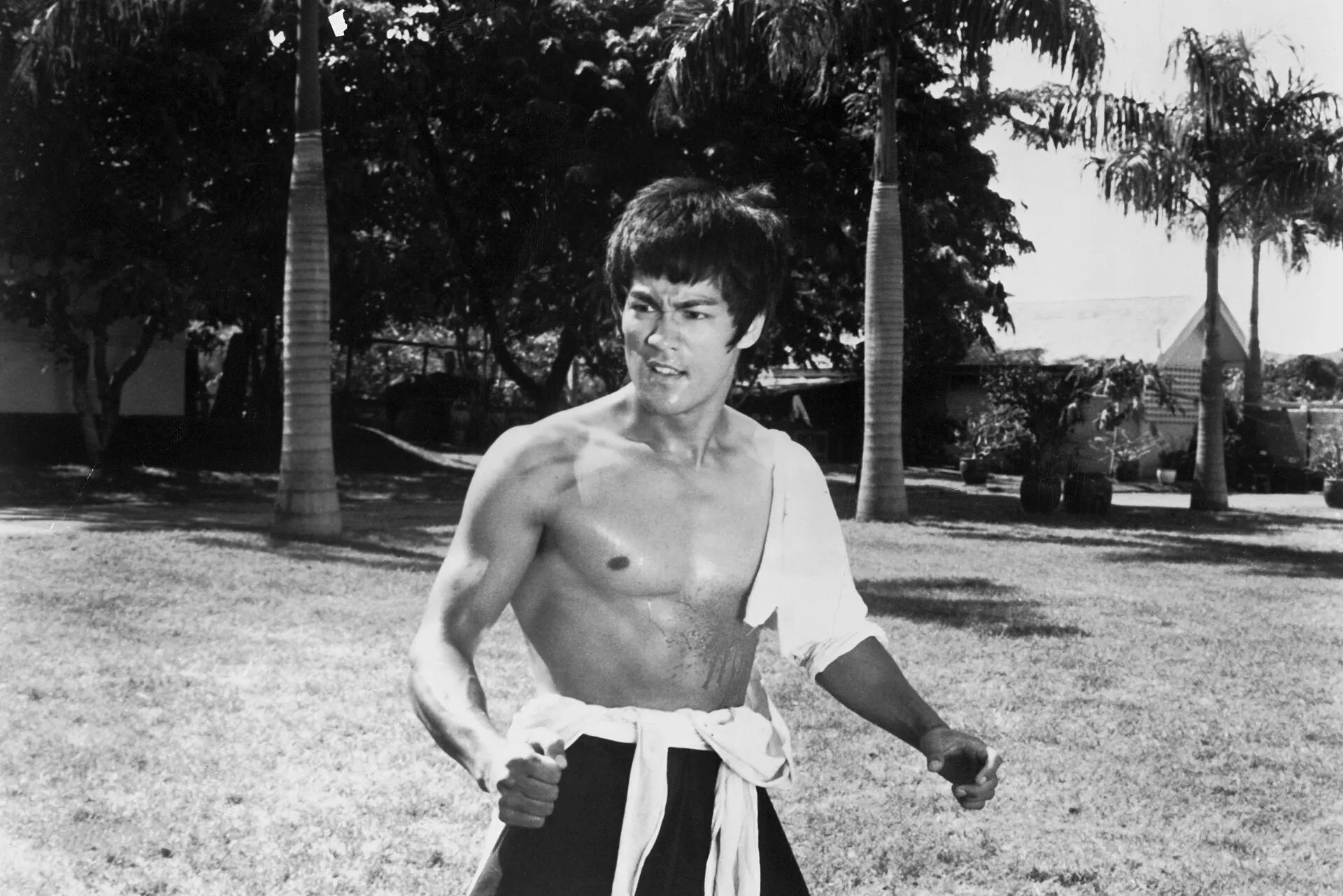
Bruce Lee as Chen Zhen in Fist of Fury (1972).
The Bruce Lee statue on the Avenue of Stars
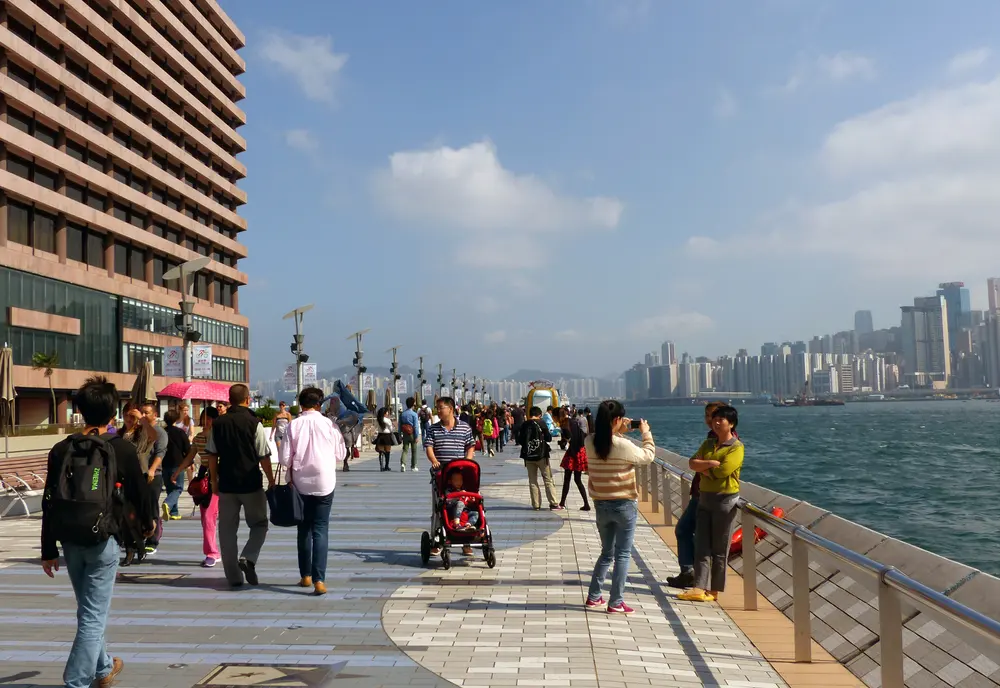
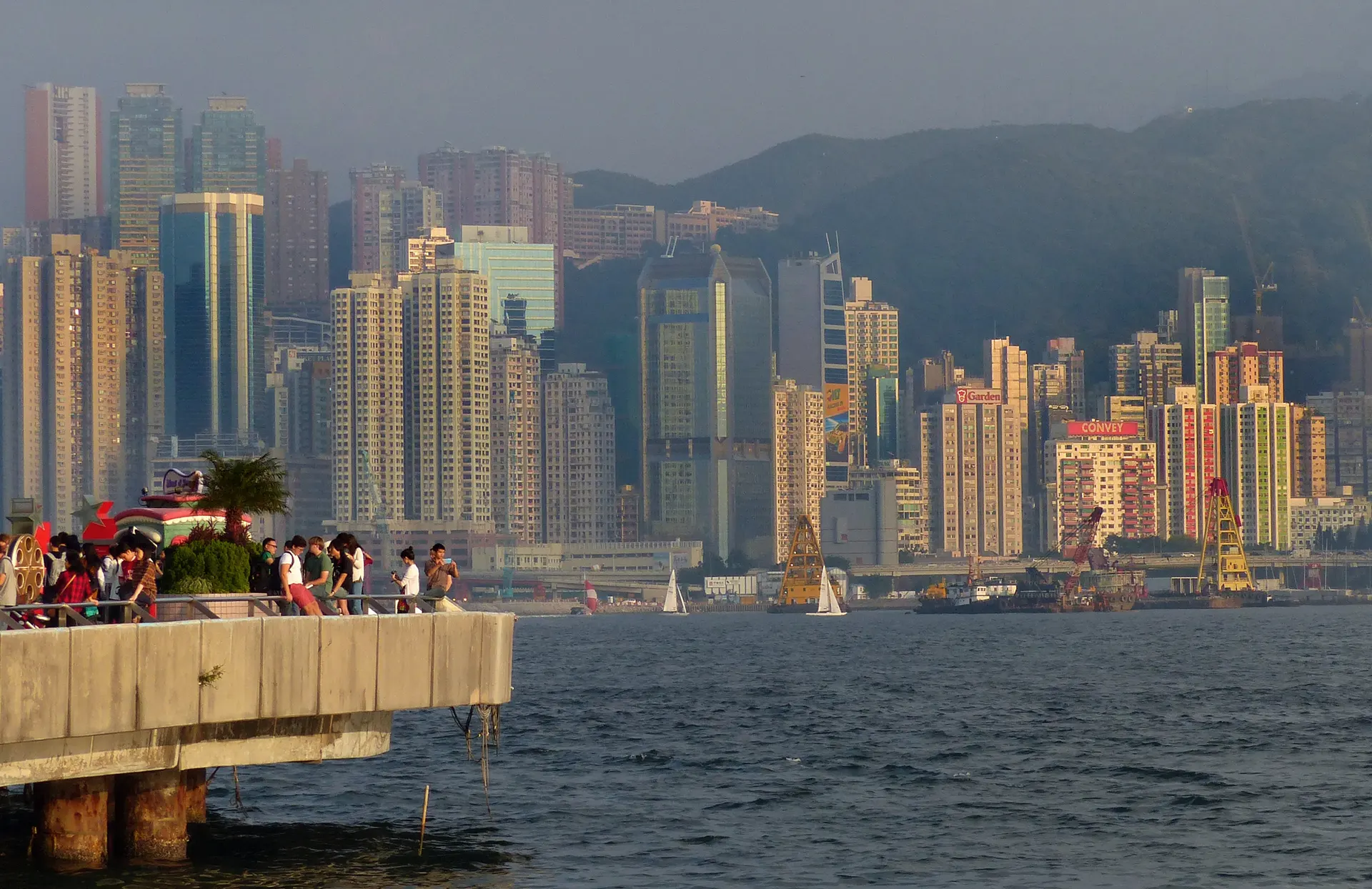
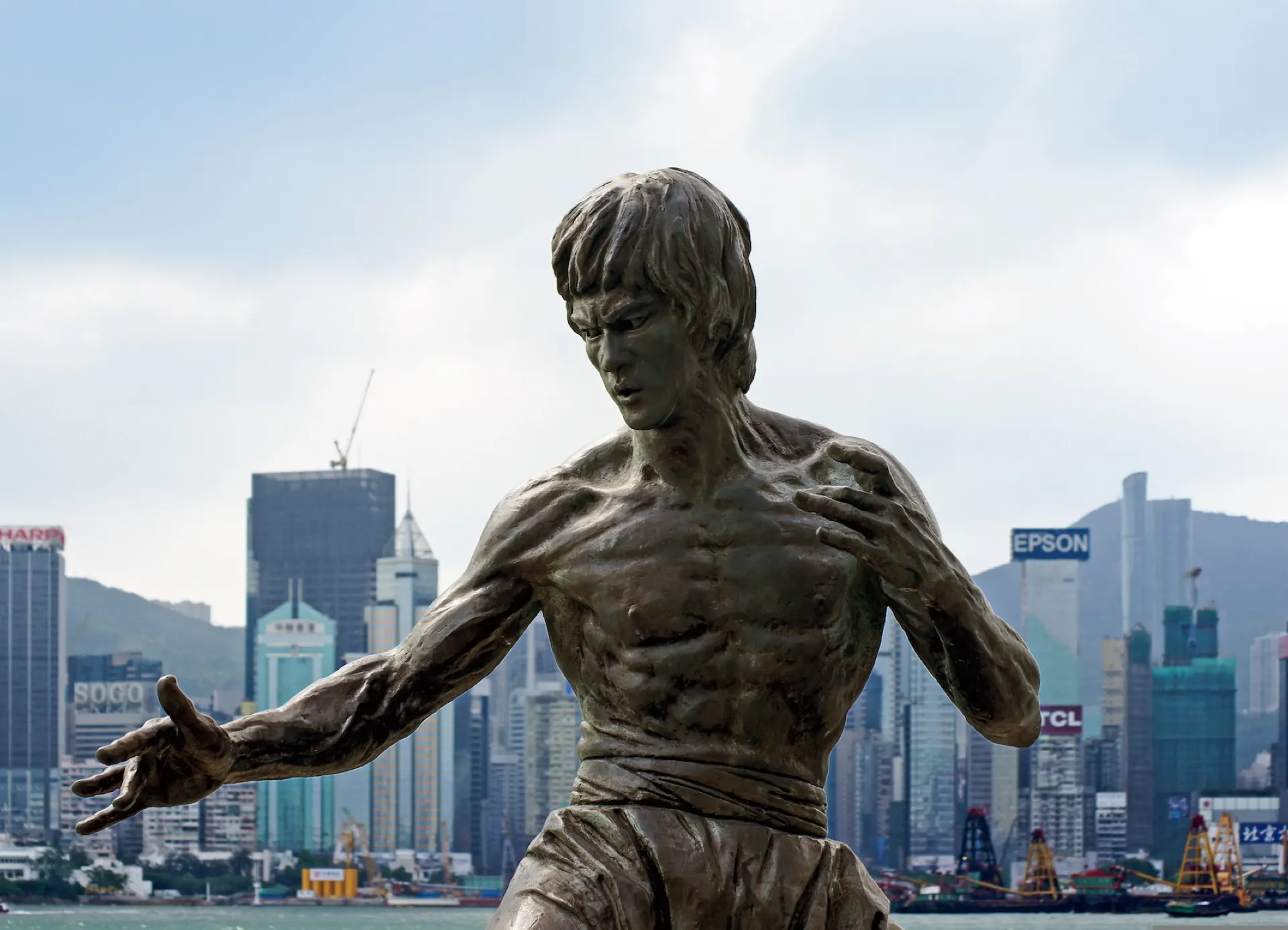
Hong Kong's most photographed Bruce Lee is the bronze statue on the Avenue of Stars (星光大道), the waterfront promenade in Tsim Sha Tsui that honours Hong Kong film. The statue, which shows him in a fighting pose, was unveiled in 2005 for what would have been his 65th birthday, funded by fans of the Bruce Lee Club. After a renovation of the promenade it returned when the Avenue reopened in January 2019, with Hong Kong Island's skyline as the backdrop.
The promenade is free and open around the clock. Go early in the morning to have the statue to yourself; in the evening it is shoulder-to-shoulder. Along the Avenue you will also find handprints and plaques of Hong Kong film stars and a statue of the actress Anita Mui. Getting there: MTR East Tsim Sha Tsui, Exit J, or walk from the Star Ferry pier past the Clock Tower and the Cultural Centre. More in our Tsim Sha Tsui guide.
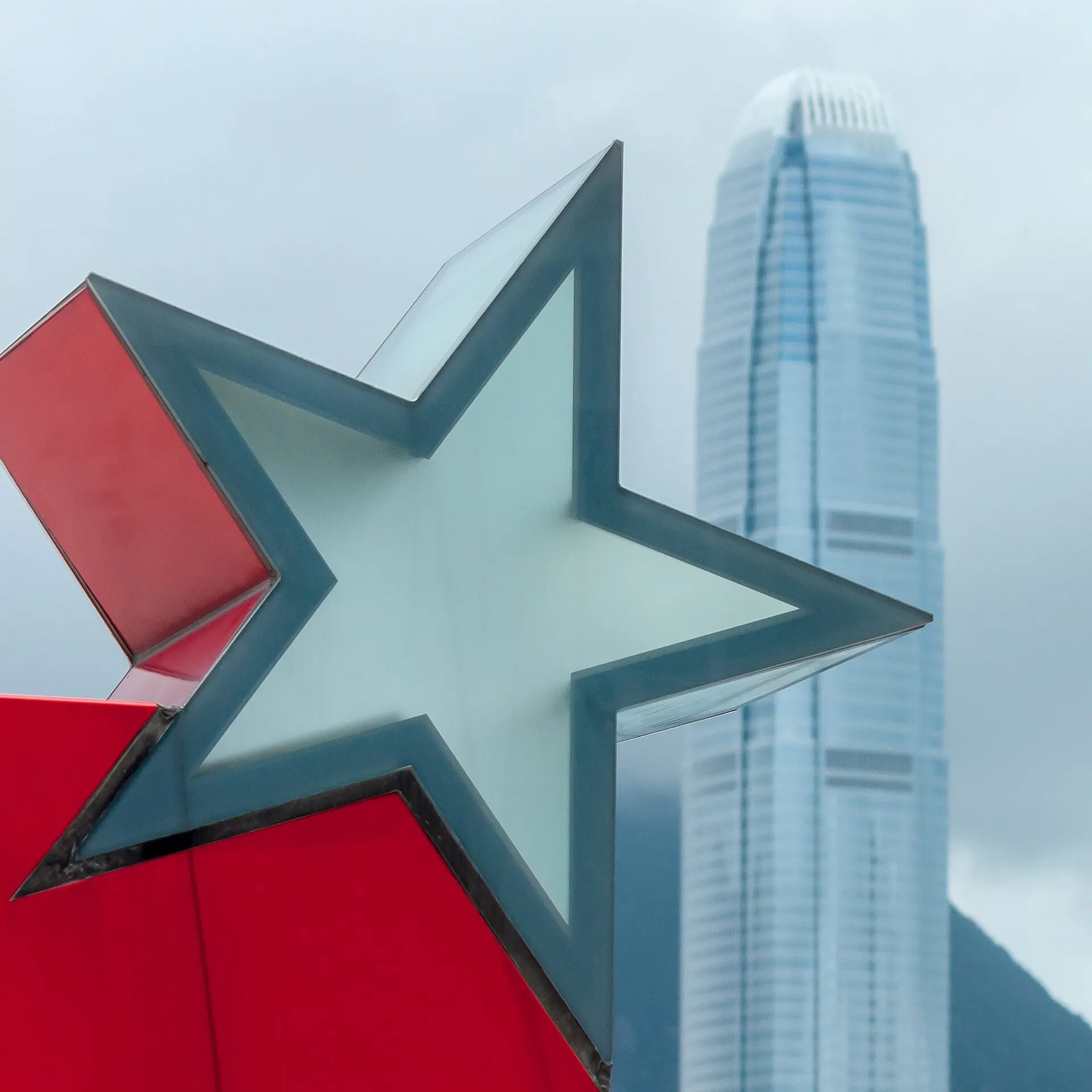
Star plaques line the Avenue of Stars on the Tsim Sha Tsui waterfront.
'A Man Beyond the Ordinary: Bruce Lee' at the Heritage Museum
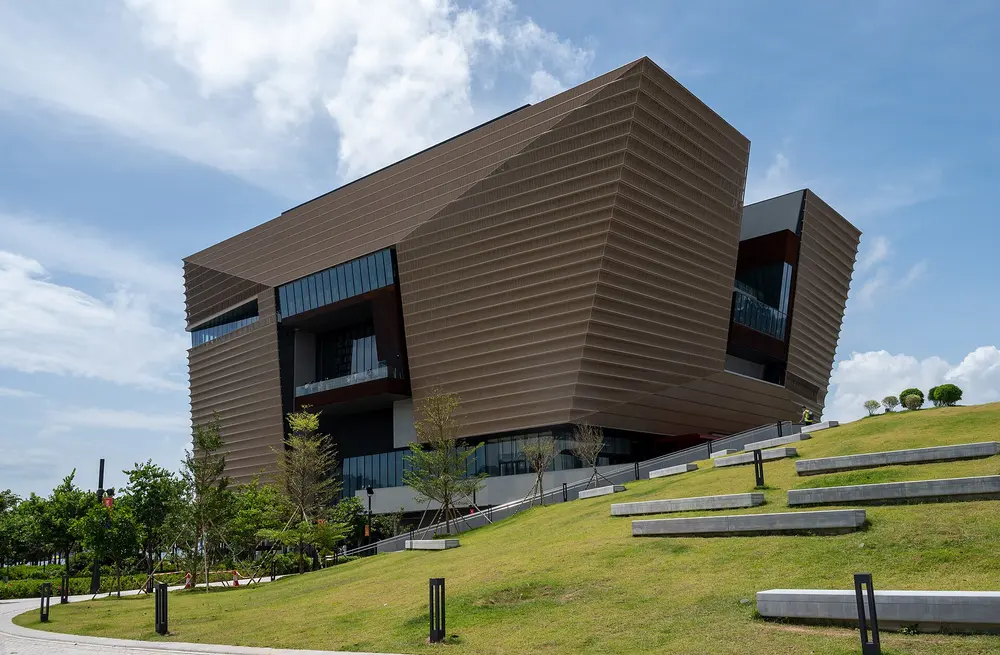
The best Bruce Lee experience in Hong Kong is free. The Hong Kong Heritage Museum in Sha Tin, working with the Bruce Lee Foundation set up by his family, opened 'A Man Beyond the Ordinary: Bruce Lee' on 28 November 2021, succeeding the popular 2013 exhibition 'Bruce Lee: Kung Fu · Art · Life'. When it opened it displayed about 400 items, half of them never before shown in Hong Kong – among them a baby jacket he wore, the fencing mask he used as a student in Hong Kong, letters to his wife Linda, costumes, props and film footage – and it traces his life from child actor to philosopher.
The exhibition was due to close in 2026 but has been extended until 20 July 2029 (museum website, checked November 2026). It is in Thematic Gallery 6 on the 2nd floor. The museum is at 1 Man Lam Road, Sha Tin, a 10-minute walk from Che Kung Temple MTR station; it is closed on Tuesdays. Allow an hour for the exhibition and another for the Cantonese opera and Jin Yong galleries – see our museums guide.
Bruce Lee's Kowloon: home, schools and the house that is gone
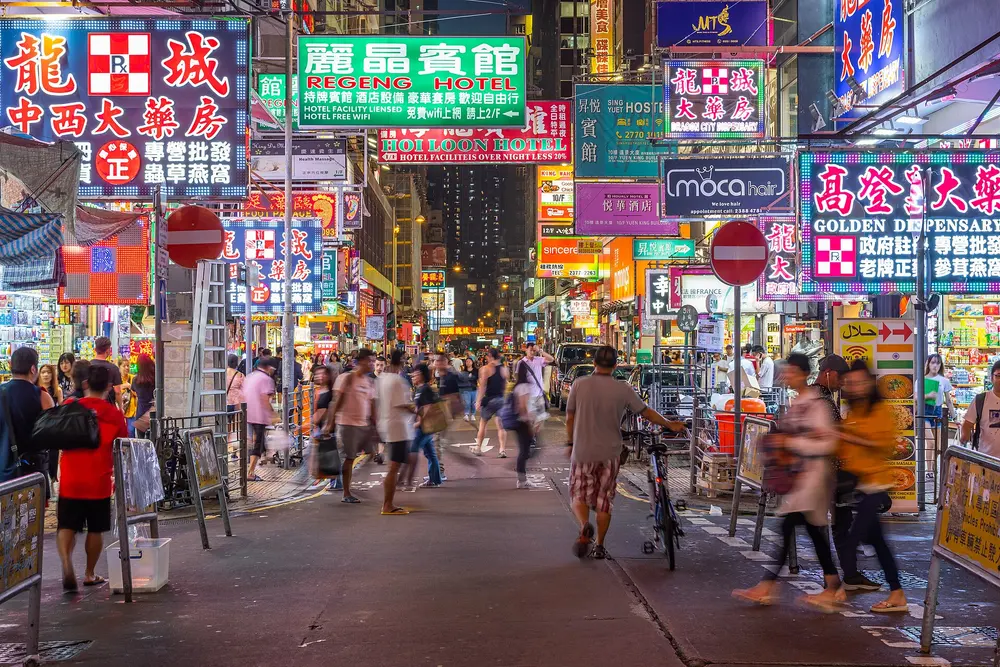
Bruce Lee's Hong Kong is mostly Kowloon, and most of it has been rebuilt. As a child he lived in a family flat on Nathan Road; as a teenager he went to La Salle College in Kowloon Tong and later St Francis Xavier's College in Tai Kok Tsui, both still schools (not open to visitors).
In 1972, at the height of his fame, he bought a two-storey house with a garden at 41 Cumberland Road, Kowloon Tong (金巴倫道41號). After his death it was sold and became a short-stay 'love hotel'; the philanthropist Yu Pang-lin later bought it with a plan to turn it into a Bruce Lee museum, which never materialised. In 2019, after Yu's death, the charity that owned it demolished the house; demolition was completed on 28 September 2019 despite appeals from fans. A few architectural fragments were to be preserved. There is nothing to see at the site today, and the surrounding streets are private residential – please don't trespass.
He died on 20 July 1973 at the Beacon Hill Road flat of the actress Betty Ting Pei in the same district. Golden Harvest's studio on Hammer Hill Road in Diamond Hill, where his films were made, has also been demolished. If you want to walk in his footsteps, take the MTR to Kowloon Tong, see the leafy streets of the district he knew, then continue to the Avenue of Stars and the Heritage Museum.
Bruce Lee's films and where they were shot
| Film | Year | Hong Kong connection |
|---|---|---|
| The Kid (細路祥) | 1950 | Child role in a Cantonese film shot in Hong Kong |
| The Orphan (人海孤鴻) | 1960 | His last Hong Kong role before moving to the US |
| The Big Boss (唐山大兄) | 1971 | Golden Harvest; shot mostly in Pak Chong, Thailand; broke Hong Kong box-office records |
| Fist of Fury (精武門) | 1972 | Set in Shanghai; studio scenes in Hong Kong |
| The Way of the Dragon (猛龍過江) | 1972 | Written and directed by Lee; Rome locations plus Hong Kong studio work |
| Enter the Dragon (龍爭虎鬥) | 1973 | Warner Bros–Golden Harvest co-production filmed in Hong Kong |
| Game of Death (死亡遊戲) | 1978 | Completed after his death from footage shot in 1972 |
Learn Wing Chun and kung fu in Hong Kong
Bruce Lee's first martial art was Wing Chun (詠春, wing cheun), the close-range southern Chinese style taught in Hong Kong by Ip Man from 1950 until his death in 1972 – the subject of Donnie Yen's Ip Man film series. Ip Man's students founded the Ving Tsun Athletic Association in 1967, and many schools across the city trace their lineage to him. Most offer trial lessons for visitors; contact them directly and ask whether instruction is in English.
Other styles you will see are Hung Kuen (the style of Wong Fei-hung), Choy Li Fut and tai chi, practised in parks such as Kowloon Park and Victoria Park in the early morning – watching is fine, joining in usually welcome if you ask. As of November 2026 we found no dedicated Bruce Lee or Wing Chun class on sale for visitors to Hong Kong, so we don't list one; if that changes, we will add it here.
Film walks and cinematic experiences
No bookable tour focuses on Bruce Lee, but these film-themed experiences cover the Kowloon streets that Hong Kong action cinema made famous. They are run by independent operators and described from their listing titles; for the full story of the city on screen, read Hong Kong in film.
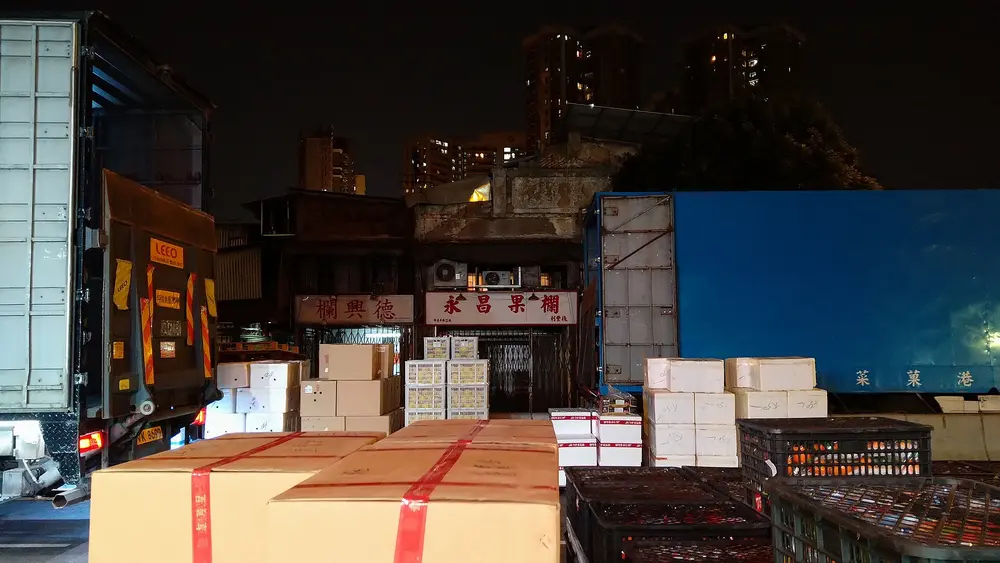
Yau Ma Tei fruit market and gangster movie walk
A walk through Yau Ma Tei Fruit Market and the streets of Hong Kong crime films.
Check availabilityBook via GetYourGuide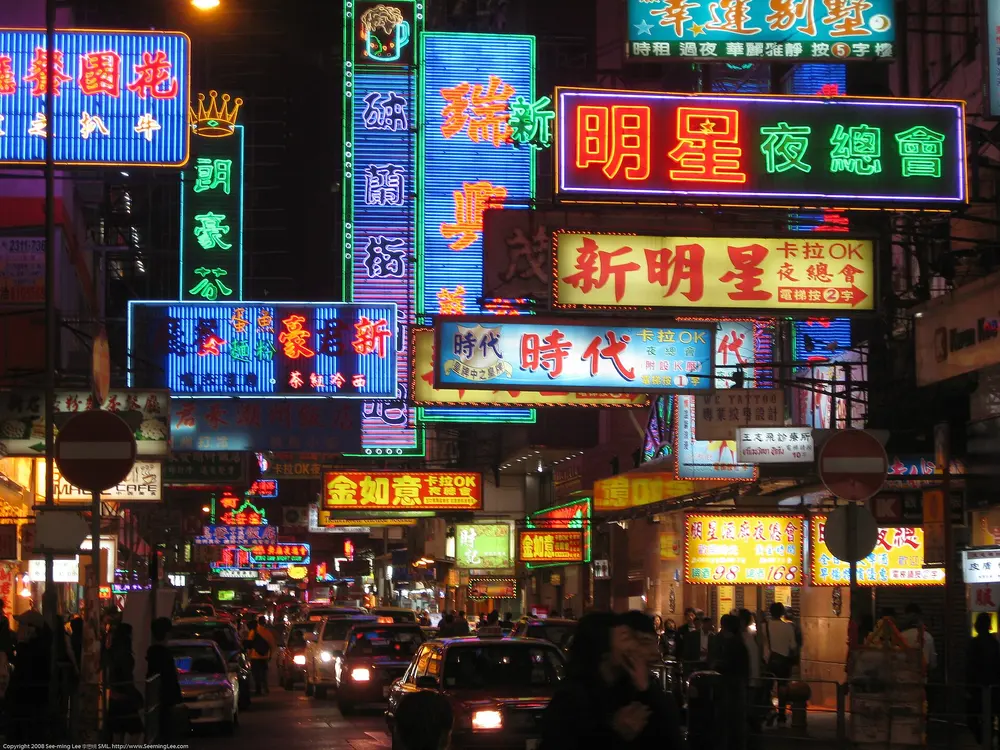
Cinematic night photoshoot
A one-hour personal night photoshoot in a moody, cinematic Hong Kong style.
Check availabilityBook via GetYourGuide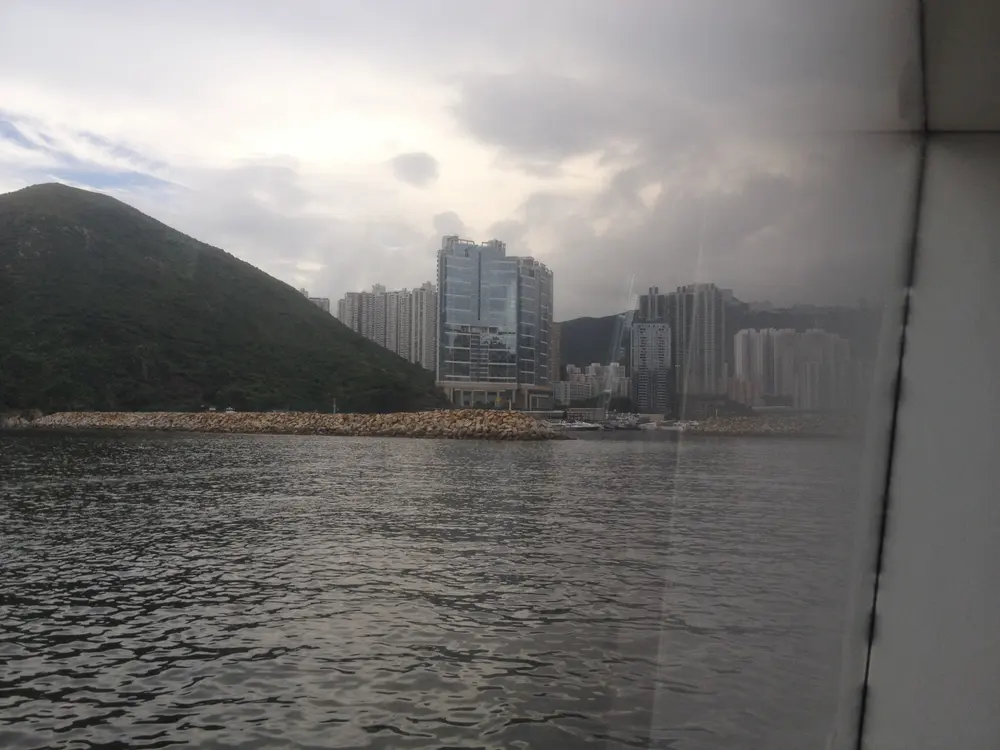
Aberdeen fishing village boat tour, Floating Museum and boat noodles
A boat tour of Aberdeen's fishing harbour with the Floating Museum and boat noodles.
Check availabilityBook via KlookTour listings are on GetYourGuide. Prices, times and cancellation terms are shown live on each listing and can change; HongKongTravel.com may earn a commission at no extra cost to you.
A half-day Bruce Lee itinerary
- Morning: MTR to Che Kung Temple (Tuen Ma line) and walk along the Shing Mun River to the Hong Kong Heritage Museum for the Bruce Lee exhibition (opens 10 am; closed Tuesdays).
- Late morning: two stops on the Tuen Ma line to Tai Wai, change to the East Rail line for Kowloon Tong and stroll the quiet residential streets where he lived and studied (view from the street only).
- Lunch: Kowloon City's Thai and Chiu Chow restaurants are 10 minutes away by bus or taxi – see Kowloon City.
- Afternoon: MTR to East Tsim Sha Tsui for the Avenue of Stars statue and the harbour view; finish with a Star Ferry crossing at sunset.
Frequently asked questions
Where is the Bruce Lee statue in Hong Kong?
On the Avenue of Stars, the harbourfront promenade in Tsim Sha Tsui, Kowloon. It is free and open 24 hours; the nearest MTR is East Tsim Sha Tsui, Exit J.
Is there a Bruce Lee museum in Hong Kong?
There is no dedicated museum, but the Hong Kong Heritage Museum in Sha Tin runs the free exhibition 'A Man Beyond the Ordinary: Bruce Lee', extended until 20 July 2029.
Can you visit Bruce Lee's house in Hong Kong?
No. His former home at 41 Cumberland Road, Kowloon Tong, was demolished in 2019. Nothing remains to visit and the area is private.
Was Bruce Lee born in Hong Kong?
No, he was born in San Francisco on 27 November 1940, but his family returned to Hong Kong when he was a baby and he grew up in Kowloon until he left for the United States in 1959.
Where did Bruce Lee learn kung fu?
In Hong Kong, under the Wing Chun master Ip Man, from his mid-teens. He later developed his own approach, Jeet Kune Do, in the United States.
Are there Bruce Lee tours in Hong Kong?
No dedicated Bruce Lee tour was on sale as of November 2026. The main sites – the statue, the Heritage Museum exhibition and Kowloon Tong – are easy to visit independently in half a day.
Sources and official information
Facts were checked against these official sources in November 2026. Opening hours, fares and timetables change, so confirm before you go.
HongKongTravel.com is an independent guide, not the official site of the Hong Kong Tourism Board, the HKSAR Government or any operator. Some links are affiliate links: tours go to {tours} and hotels go to {hotels}, and we may earn a commission at no extra cost to you.