In short
- Tai Po Hui Market and Cooked Food Centre is the place for an inexpensive local lunch, with stalls serving noodles, rice plates and dim sum upstairs.
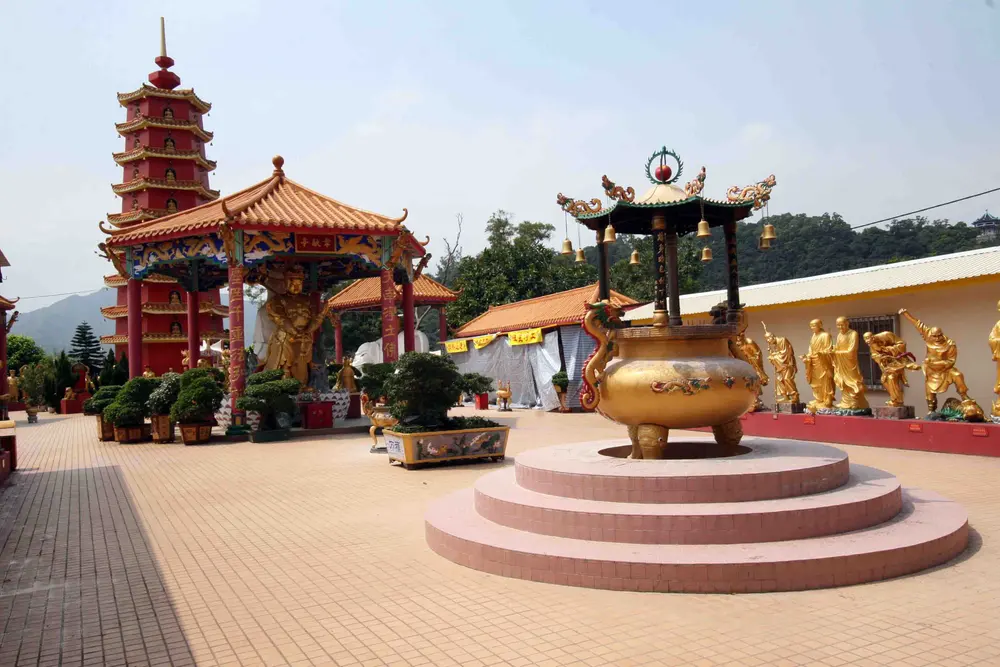
- The Ten Thousand Buddhas Monastery has a vegetarian restaurant at its lower level.
- New Town Plaza in Sha Tin has every chain from dim sum to Japanese.
- Tai Mei Tuk is the place for barbecues and simple waterside cafés.
- Try Hakka dishes such as salt-baked chicken and cha kwo rice cakes in the villages.
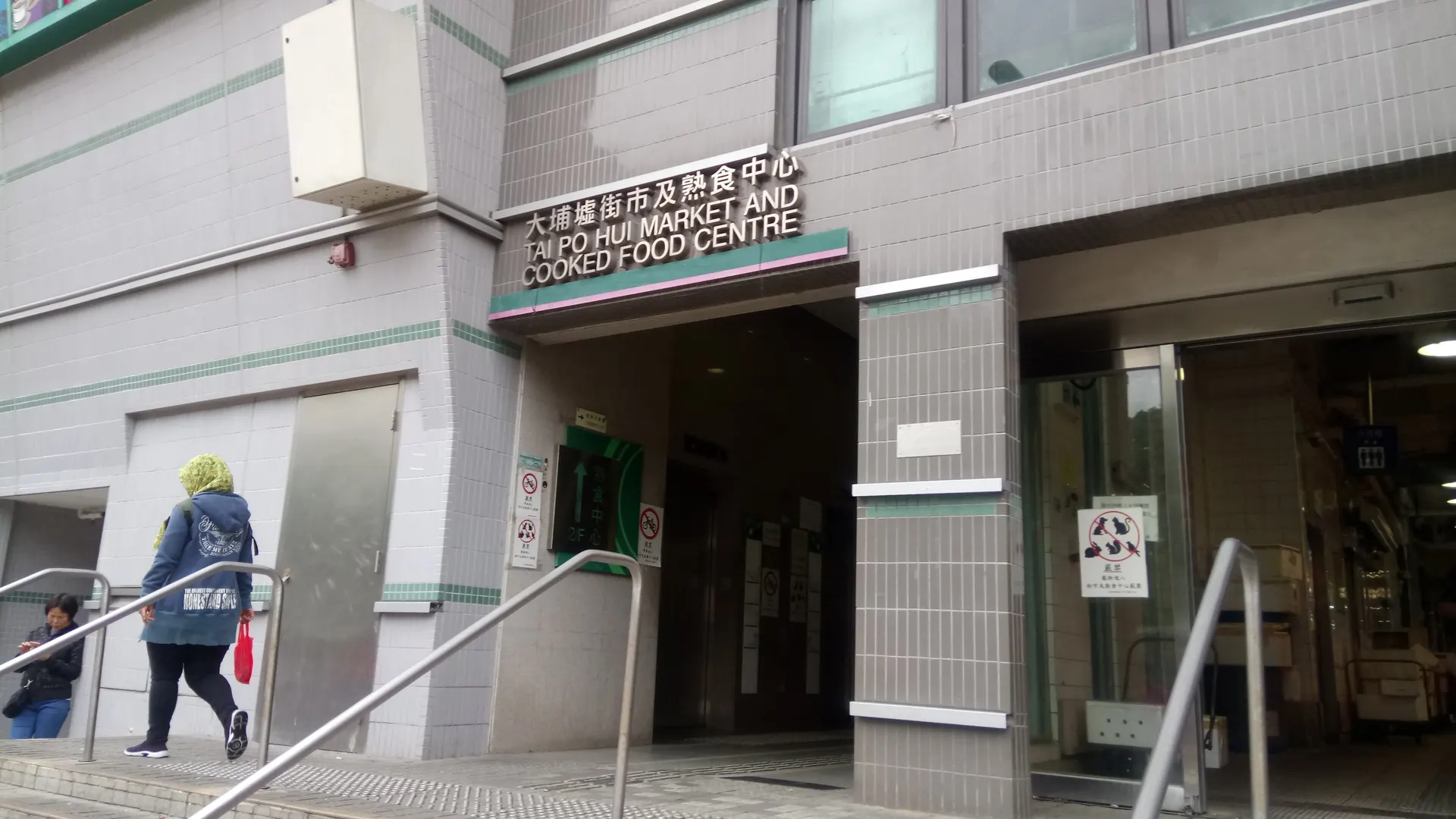
Tai Po Hui Market and Cooked Food Centre
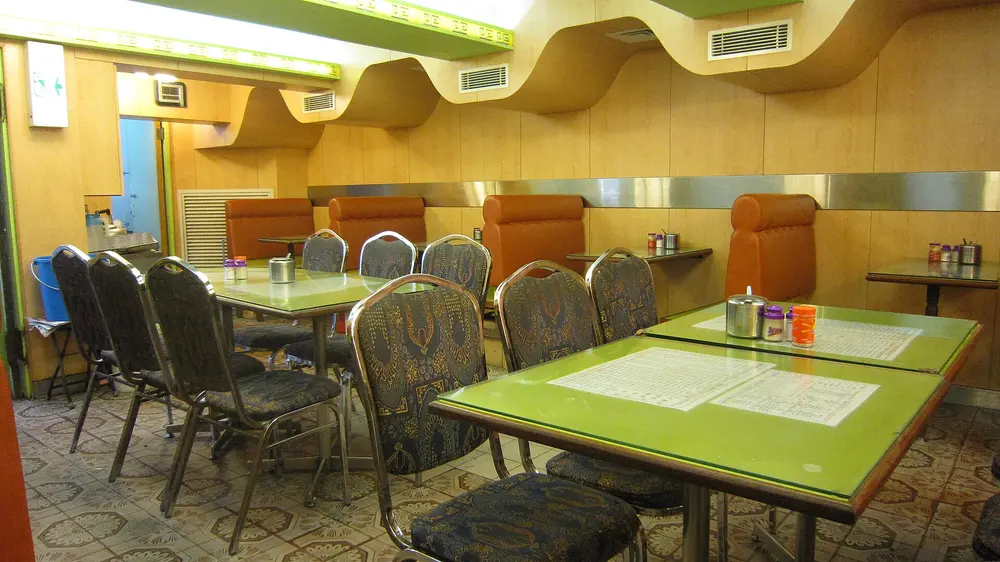
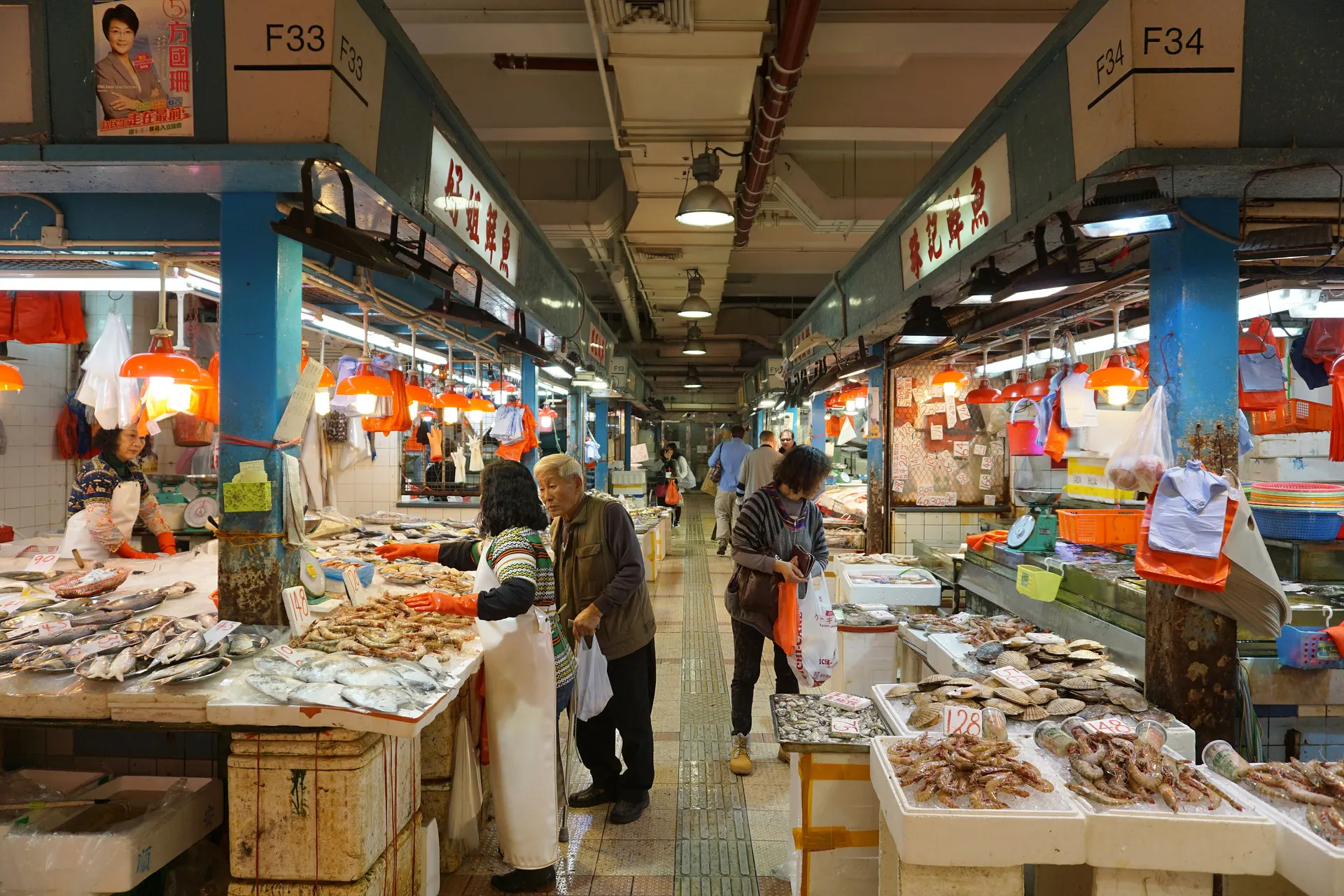
The municipal building at Tai Po Hui (大埔墟街市及熟食中心) has wet-market stalls on the lower floors and a cooked food centre on top, where small family restaurants share a big hall with plastic tables. This is the authentic Hong Kong canteen experience: milk tea and toast for breakfast, dim sum mid-morning, rice plates and noodles at lunch, and seafood dishes in the evening. Order by pointing at what others are eating, and take a ticket or pay at the stall.
It is about ten minutes' walk from Tai Po Market station. Come before noon on weekends to beat the crowds.
Tai Po Hui Market and Cooked Food Centre
Book tours in Sha Tin & Tai PoLive times, prices and cancellation terms on GetYourGuide.
Check availabilityOld Tai Po's snack streets
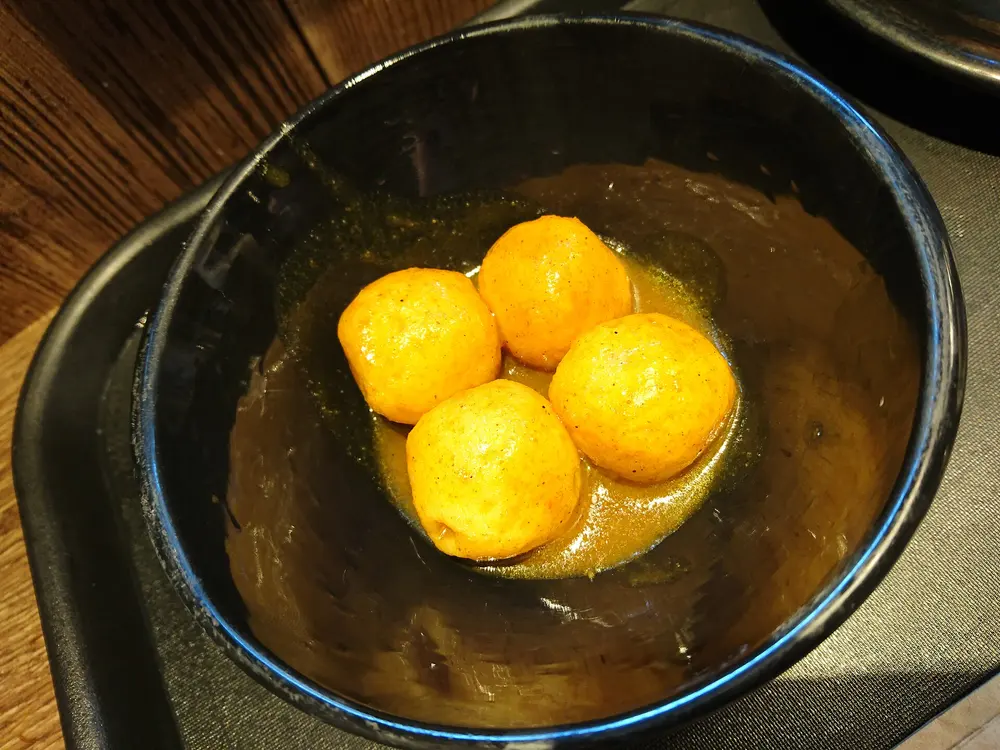
Around Fu Shin Street and the old market lanes are stalls selling egg waffles (雞蛋仔), sweet soups, rice rolls (腸粉) and herbal tea. Several bakeries in Tai Po are known for wife cakes and pineapple buns. Walk from the Railway Museum to the Man Mo Temple and graze along the way.
Vegetarian food at the monasteries
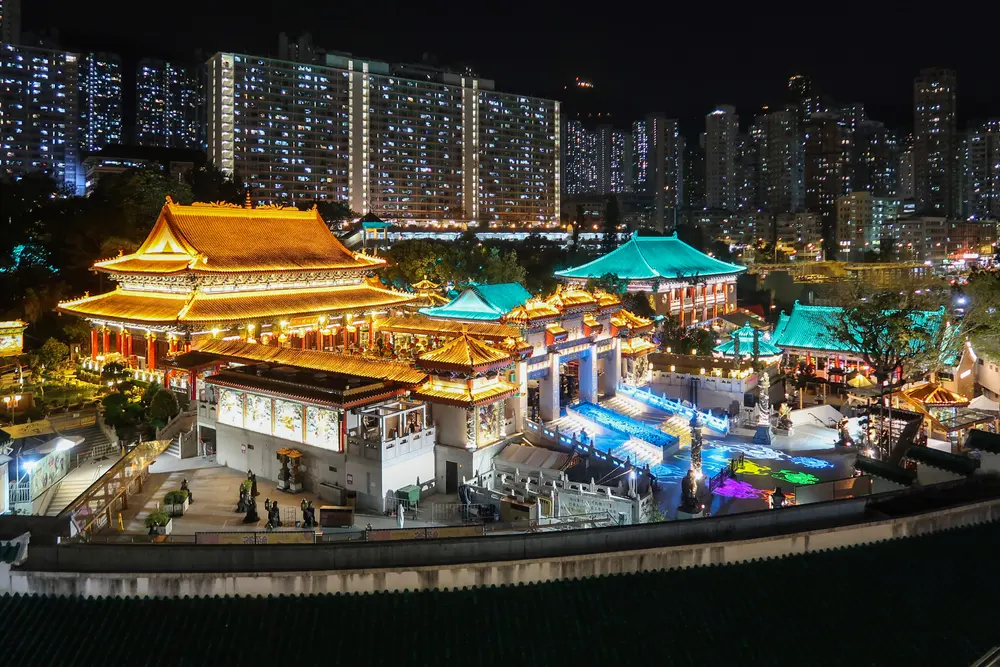
The Ten Thousand Buddhas Monastery has a vegetarian restaurant at the lower level of the complex serving Buddhist-style dishes: braised mock meats, tofu, mushrooms and vegetables with rice. Opening hours vary; plan to eat before or after the climb. Hong Kong Buddhist vegetarian food excludes meat and fish but may use egg and, in some places, onion and garlic are omitted – useful for Indian vegetarian and Jain travellers to ask about.
Sha Tin's malls and riverside
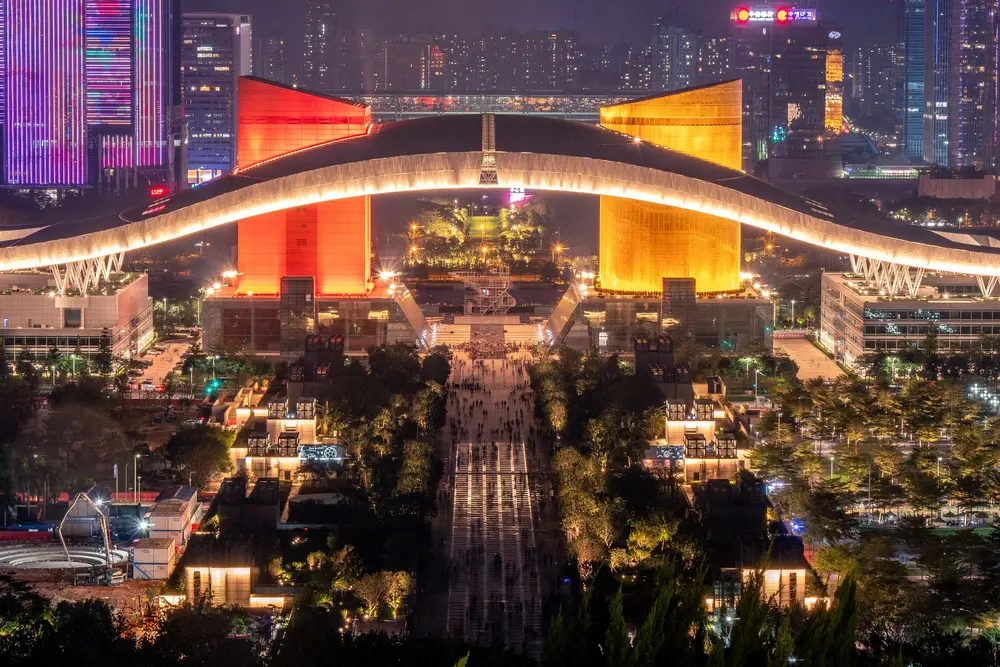
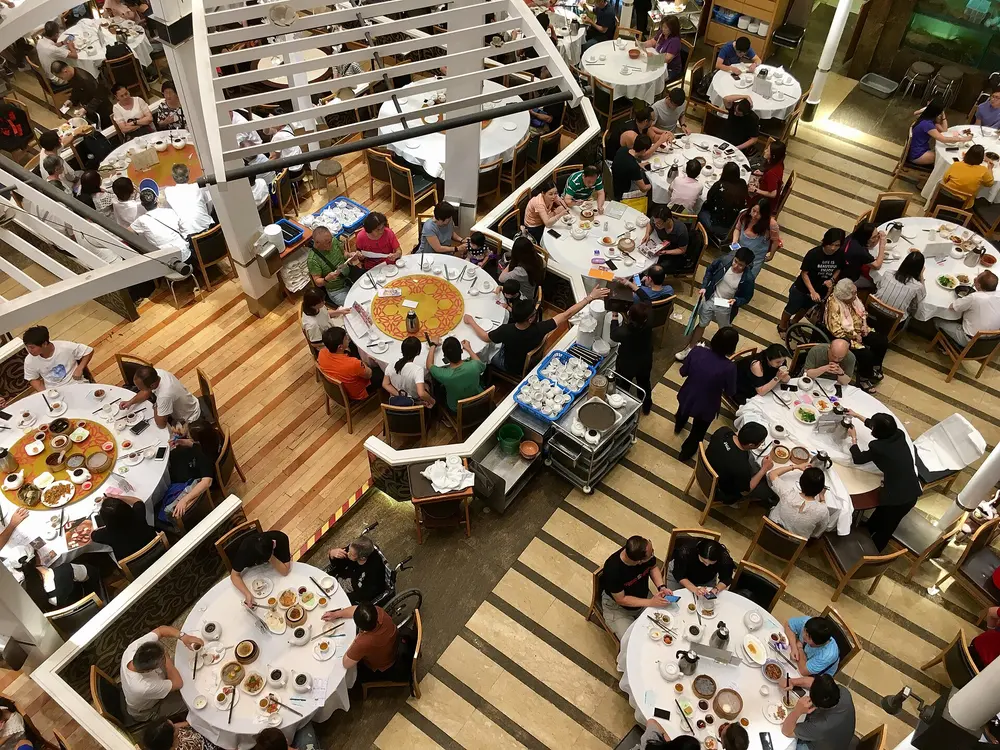
New Town Plaza and the adjoining malls above Sha Tin station hold dozens of restaurants, from Cantonese dim sum halls to Japanese, Korean and Thai chains; it is a practical stop on a rainy day. Hotels along the Shing Mun River have Chinese restaurants popular for weekend dim sum. For classic dim sum dishes and how to order, see dim sum in Hong Kong.
Tai Mei Tuk and Plover Cove
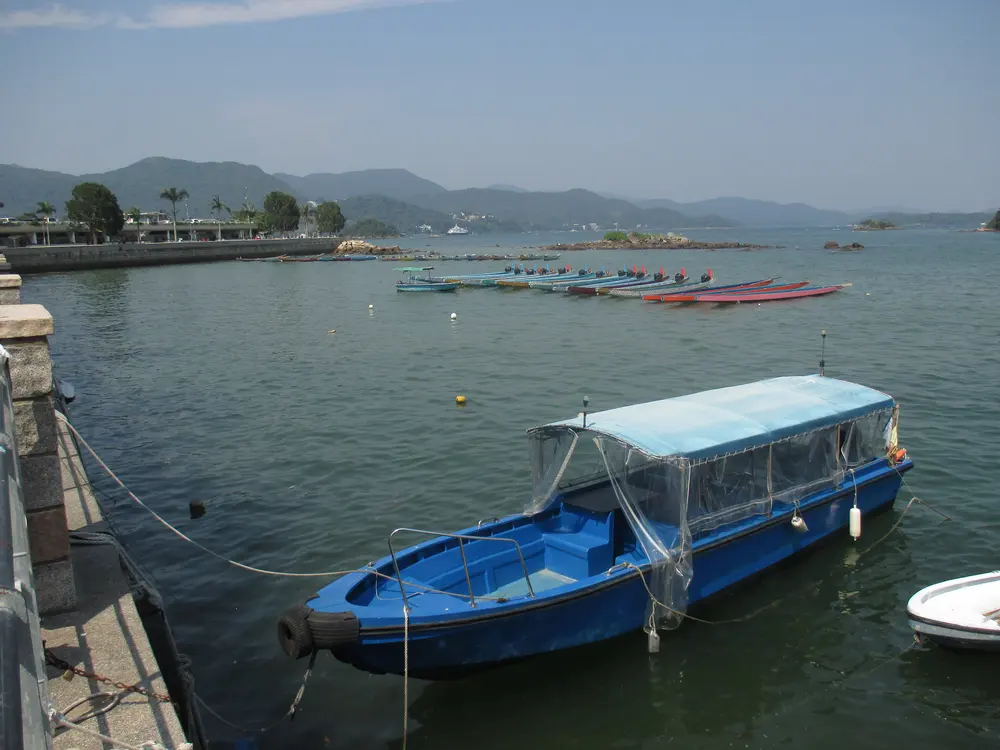
At Tai Mei Tuk, rows of shops sell barbecue packs – skewers, chicken wings, sausages, honey for basting – to cook at the government barbecue pits along the waterfront. Cafés along the road serve noodles, Thai dishes and drinks for cyclists. It is busy on weekends and quiet on weekdays.
Hakka and village food
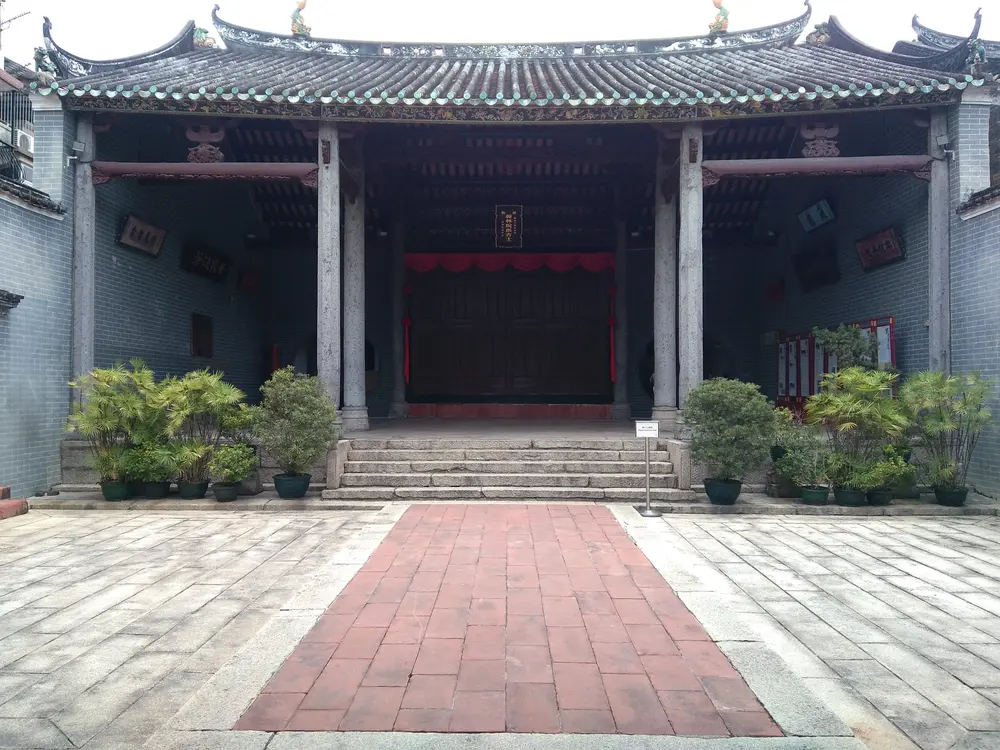
The northern New Territories were settled by Hakka and Punti clans, and some village restaurants still serve Hakka dishes: salt-baked chicken (鹽焗雞), stuffed tofu (釀豆腐), pork belly with preserved mustard greens (梅菜扣肉), and sweet or savoury glutinous rice cakes called cha kwo (茶粿). At walled-village festivals families share poon choi (盆菜), a layered feast served in a basin. On village tours, lunches often feature these dishes.
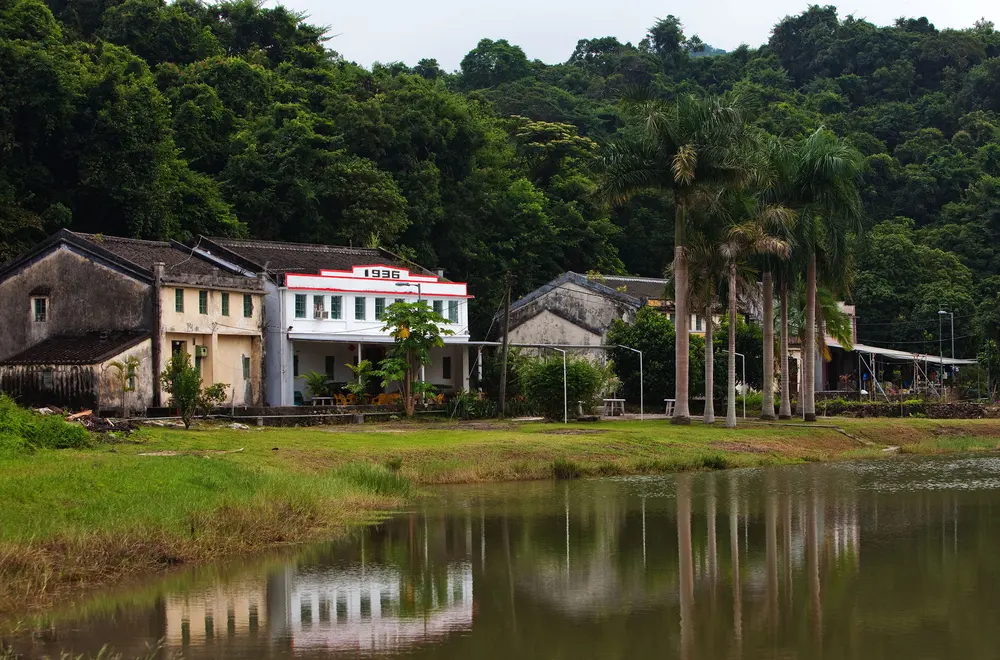
Sham Chung and Tai Po fish rafts eco tour
An eco tour to the village of Sham Chung and the fish rafts, with a seafood lunch and fishing.
Check availabilityBook via Klook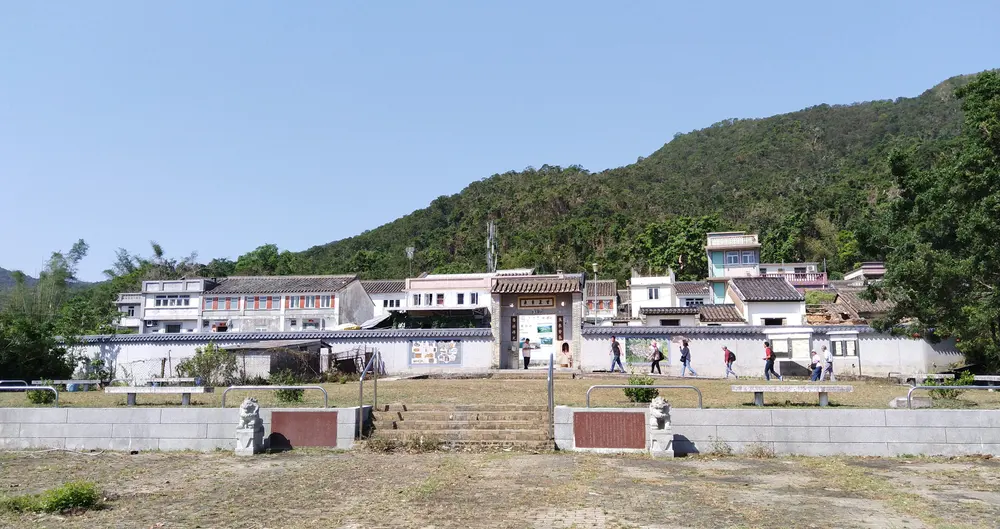
Lai Chi Wo village and Hakka culture tour
A guided trip to Lai Chi Wo, a walled Hakka village in Plover Cove Country Park, and its culture.
Check availabilityBook via GetYourGuideTour listings are on Klook. Prices, times and cancellation terms are shown live on each listing and can change; HongKongTravel.com may earn a commission at no extra cost to you.
A food day on the East Rail line
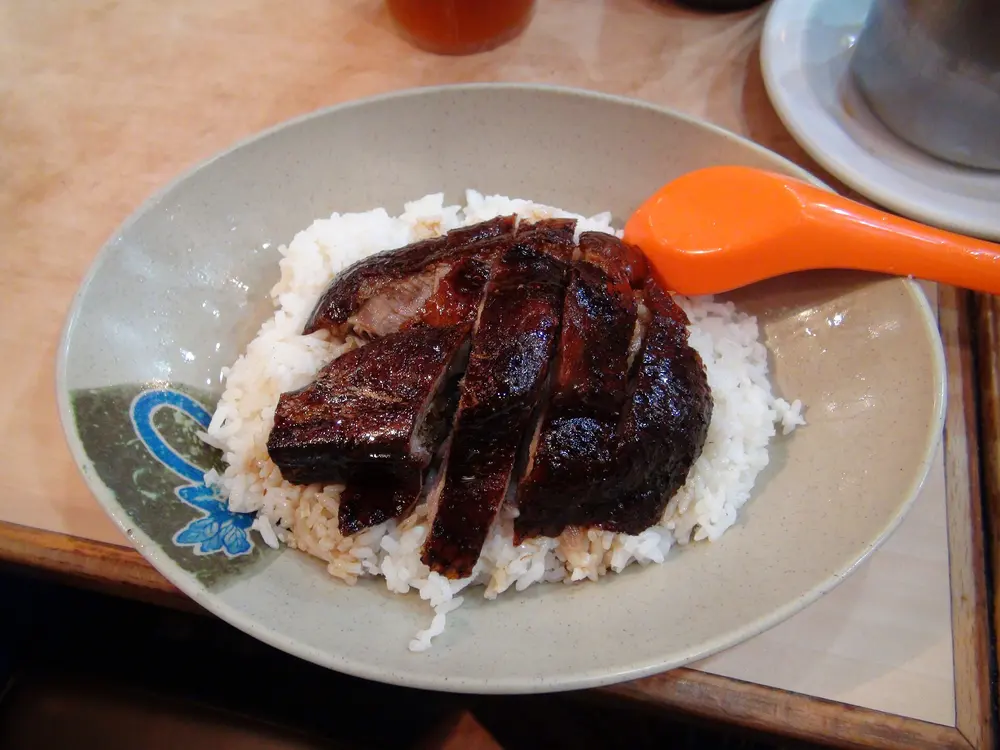
Breakfast of macaroni soup and milk tea at a cha chaan teng near Sha Tin station; dim sum at a riverside hotel or a mall restaurant after the Ten Thousand Buddhas climb; a rice plate or roast goose at the Tai Po Hui cooked food centre; egg waffles and sweet tofu pudding in the old Tai Po lanes; and a barbecue at Tai Mei Tuk at sunset. Hong Kong people treat the New Territories as a place to eat well for less than in the city, and this route shows why.
Learn a few words before you go – m4 goi1 (唔該) for thank you when served, maai4 daan1 (埋單) for the bill – with our Cantonese phrases.
Practical tips
- Cooked food centres take cash and, increasingly, Octopus; carry small notes.
- Share tables when asked – it is normal.
- Tea is often poured first; wash bowls in it if you like, as locals do.
- Halal options are limited in Sha Tin; Muslim travellers can find more in Tsim Sha Tsui near Kowloon Mosque – see dining in Hong Kong.
- Race days pack restaurants near Sha Tin station; eat early.
Frequently asked questions
Where should I eat in Tai Po?
At the Tai Po Hui Market and Cooked Food Centre for a cheap local meal, or in the snack lanes around Fu Shin Street.
Is there vegetarian food at the Ten Thousand Buddhas Monastery?
Yes, a vegetarian restaurant at the lower level, with variable hours.
Can I barbecue at Tai Mei Tuk?
Yes, at the public barbecue pits along the waterfront; shops nearby sell food packs and charcoal.
What is Hakka food?
Cooking of the Hakka people of southern China, with dishes such as salt-baked chicken, stuffed tofu and preserved mustard greens with pork.
Are there halal restaurants in Sha Tin?
Very few. Kowloon, especially Tsim Sha Tsui, has more halal choices.
Sources and official information
Facts were checked against these official sources in November 2026. Opening hours, fares and timetables change, so confirm before you go.
HongKongTravel.com is an independent guide, not the official site of the Hong Kong Tourism Board, the HKSAR Government or any operator. Some links are affiliate links: tours go to {tours} and hotels go to {hotels}, and we may earn a commission at no extra cost to you.