In short
- Cantonese (廣東話) is the everyday language of Hong Kong; English works on transport, in hotels and in big shops, but a few Cantonese words make small restaurants, markets and taxis easier.
- The two most useful words: 唔該 m goi ('please / thank you / excuse me' for a service) and 多謝 do ze ('thank you' for a gift or compliment).
- Cantonese has six tones; we give Jyutping (the standard romanisation, with tone numbers) plus a rough English sound.
- Food: m goi maai daan (the bill, please), zau bing (no ice), ngo sik sou (I'm vegetarian). Taxi: m goi heoi… (please go to…), ni dou ting (stop here). On a minibus, shout jau lok!
- Hong Kong writes traditional Chinese characters; place names use their own older romanisation (Tsim Sha Tsui, not Zim1 Saa1 Zeoi2).
How Cantonese works (in two minutes)
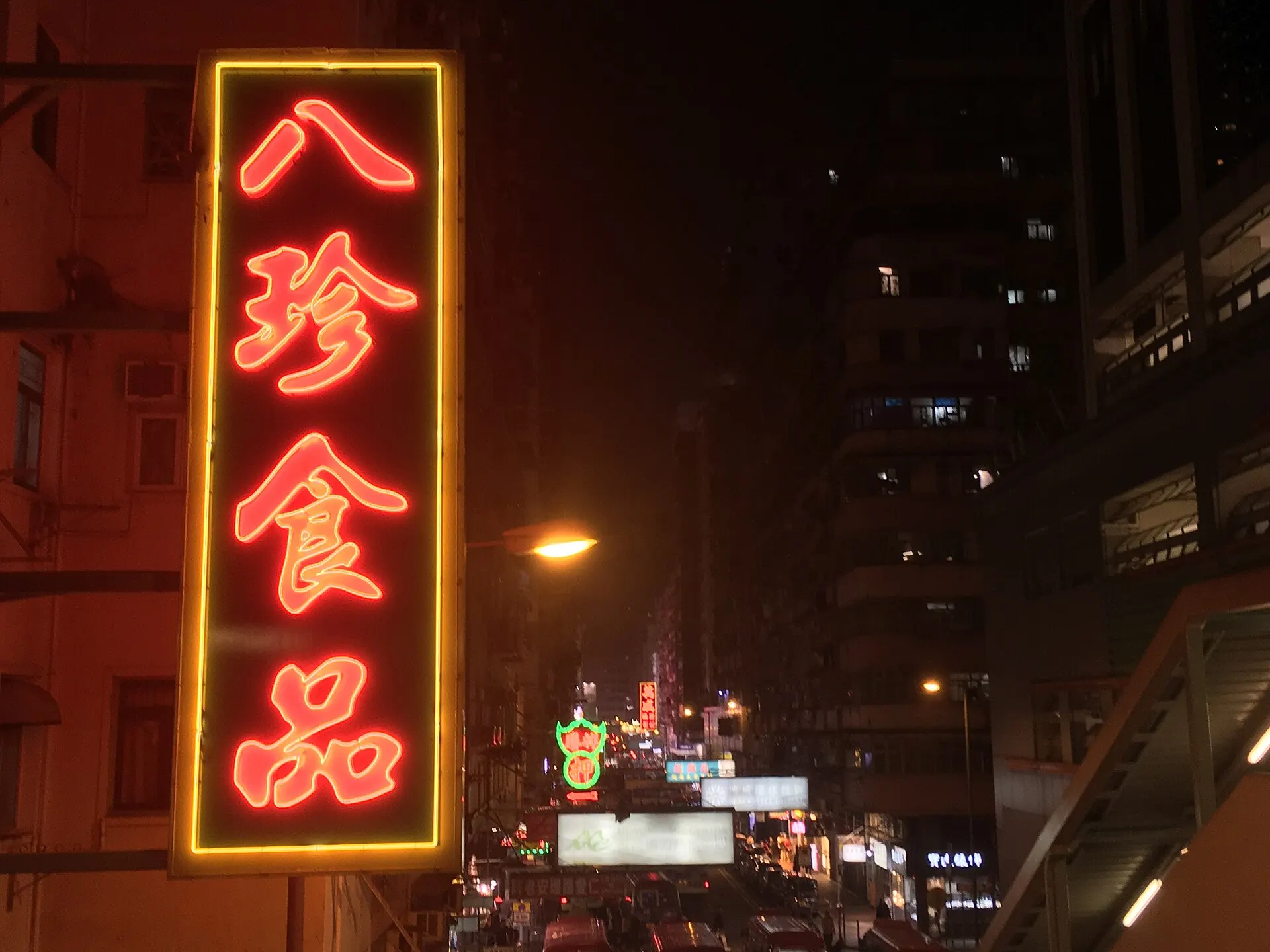
Cantonese is a Chinese language spoken in Guangdong, Hong Kong, Macau and overseas Chinese communities. It shares written characters with Mandarin (Putonghua), but spoken, the two are not mutually intelligible: thank you is do ze in Cantonese and xièxie in Mandarin. Hong Kong writes traditional characters (繁體字), and casual written Cantonese uses extra characters such as 唔 (not), 係 (is) and 喺 (at).
Cantonese is tonal: the same syllable means different things depending on pitch. Jyutping (粵拼), the romanisation scheme of the Linguistic Society of Hong Kong, marks the six tones with numbers 1–6 (1 high, 2 rising, 3 middle, 4 low falling, 5 low rising, 6 low level). Don't worry about perfect tones – in context, people will understand m goi and smile. Note that the romanised spellings on Hong Kong signs (Tsim Sha Tsui, Mong Kok, Sheung Wan) follow an older government system, so say place names the way locals do, not as Jyutping would suggest.
Our pronunciation hints are approximate: eo and oe sound like the 'u' in 'fur' with rounded lips; aa is a long 'ah'; z is like 'j' in 'jam'; c is like 'ch'; j is like 'y'; ng- at the start of a word is the 'ng' in 'sing'.
Greetings and polite words
| English | Cantonese | Jyutping | Sounds like |
|---|---|---|---|
| Hello | 你好 | nei5 hou2 | nay ho |
| Good morning | 早晨 | zou2 san4 | jo sun |
| Please / thank you (for a service) / excuse me | 唔該 | m4 goi1 | mm goy |
| Thank you (for a gift or compliment) | 多謝 | do1 ze6 | daw jeh |
| You're welcome | 唔使客氣 | m4 sai2 haak3 hei3 | mm sai hak hay |
| Sorry | 對唔住 | deoi3 m4 zyu6 | dui mm jue |
| Excuse me (let me through) | 唔該借借 | m4 goi1 ze3 ze3 | mm goy jeh jeh |
| Yes (that's right) | 係 | hai6 | hai |
| No (that's not right) | 唔係 | m4 hai6 | mm hai |
| No problem | 冇問題 | mou5 man6 tai4 | mo mun tai |
| Goodbye | 拜拜 / 再見 | baai1 baai3 / zoi3 gin3 | bye-bye / joy gin |
| Hello? (answering the phone) | 喂 | wai2 | wai |
Getting by: questions and emergencies
| English | Cantonese | Jyutping | Sounds like |
|---|---|---|---|
| Do you speak English? | 你識唔識講英文? | nei5 sik1 m4 sik1 gong2 jing1 man2? | nay sick mm sick gong ying mun? |
| I don't understand | 我唔明 | ngo5 m4 ming4 | ngo mm ming |
| Where is …? | …喺邊度? | … hai2 bin1 dou6? | … hai bin doh? |
| Toilet | 洗手間 | sai2 sau2 gaan1 | sai sau gahn |
| MTR station | 地鐵站 | dei6 tit3 zaam6 | day tit jahm |
| How much? | 幾多錢? | gei2 do1 cin2? | gay daw cheen? |
| Too expensive | 太貴喇 | taai3 gwai3 laa3 | tai gwai la |
| A bit cheaper, please | 平啲啦 | peng4 di1 laa1 | peng dee la |
| Can I pay with Octopus? | 可唔可以用八達通? | ho2 m4 ho2 ji5 jung6 baat3 daat6 tung1? | haw mm haw yee yung baht daht tung? |
| Help! | 救命! | gau3 meng6! | gow meng! |
| Call the police | 報警 | bou3 ging2 | bo ging |
Numbers and money
Prices in markets and small shops are often said in Cantonese, and man (蚊), the colloquial word for 'dollar', is what you'll hear: sap man = HK$10, ji sap ng man = HK$25. For 'two' of something, say loeng (兩), not ji – loeng go (兩個) means 'two pieces'. Number 4 (sei) sounds like 'death', which is why many buildings skip 4th, 14th and 24th floors; 8 (baat) sounds like 'prosper' and is lucky.
| Number | Character | Jyutping | Sounds like |
|---|---|---|---|
| 1 | 一 | jat1 | yut |
| 2 | 二 / 兩 | ji6 / loeng5 | yee / leung |
| 3 | 三 | saam1 | sahm |
| 4 | 四 | sei3 | say |
| 5 | 五 | ng5 | ng |
| 6 | 六 | luk6 | look |
| 7 | 七 | cat1 | chut |
| 8 | 八 | baat3 | baht |
| 9 | 九 | gau2 | gow |
| 10 | 十 | sap6 | sup |
| 20 | 二十 | ji6 sap6 | yee sup |
| 100 | 一百 | jat1 baak3 | yut bahk |
| 1,000 | 一千 | jat1 cin1 | yut cheen |
| HK$ (dollar, colloquial) | 蚊 | man1 | mun |
Ordering food and drink
In cha chaan teng and dai pai dong, staff move fast and menus may be only in Chinese – point, smile and use these. Our dim sum, cha chaan teng and dining guides have dish names.
| English | Cantonese | Jyutping | Sounds like |
|---|---|---|---|
| Menu, please | 唔該,餐牌 | m4 goi1, caan1 paai2 | mm goy, chahn pai |
| The bill, please | 唔該埋單 | m4 goi1 maai4 daan1 | mm goy my dahn |
| Eat here | 喺度食 | hai2 dou6 sik6 | hai doh sick |
| Takeaway | 拎走 | ling1 zau2 | ling jau |
| No ice | 走冰 | zau2 bing1 | jau bing |
| Less sugar | 少甜 | siu2 tim4 | see-oo tim |
| Hot / iced (drinks) | 熱 / 凍 | jit6 / dung3 | yeet / dung |
| Milk tea | 奶茶 | naai5 caa4 | nai chah |
| Iced lemon tea | 凍檸茶 | dung3 ning2 caa4 | dung ning chah |
| I'm vegetarian | 我食素 | ngo5 sik6 sou3 | ngo sick so |
| I don't eat pork | 我唔食豬肉 | ngo5 m4 sik6 zyu1 juk6 | ngo mm sick jue yook |
| I'm allergic to peanuts | 我對花生敏感 | ngo5 deoi3 faa1 sang1 man5 gam2 | ngo dui fah sung mun gum |
| More hot water (for the teapot) | 加水 | gaa1 seoi2 | gah soy |
| Delicious! | 好好食! | hou2 hou2 sik6! | ho ho sick! |
| Go for dim sum ('drink tea') | 飲茶 | jam2 caa4 | yum chah |
Taxis, minibuses and directions
Most taxi drivers understand basic English place names and hotel names, but it helps to show the address in Chinese (ask your hotel to write it down). On green and red public light buses (minibuses), there is no bell on many routes: call out jau lok! ('getting off!') before your stop. Red taxis serve the urban area, green taxis the New Territories and blue taxis Lantau; say gwo hoi if you want a red taxi to cross the harbour. See our transportation guide.
| English | Cantonese | Jyutping | Sounds like |
|---|---|---|---|
| Please go to … | 唔該去… | m4 goi1 heoi3 … | mm goy hoy … |
| Stop here, please | 唔該呢度停 | m4 goi1 ni1 dou6 ting4 | mm goy nee doh ting |
| Getting off! (minibus) | 有落! | jau5 lok6! | yau lok! |
| Turn left / turn right | 轉左 / 轉右 | zyun3 zo2 / zyun3 jau6 | jewn jaw / jewn yau |
| Straight on | 直去 | zik6 heoi3 | jik hoy |
| Cross the harbour | 過海 | gwo3 hoi2 | gwaw hoy |
| Airport | 機場 | gei1 coeng4 | gay cheung |
| Hong Kong Island / Kowloon | 香港島 / 九龍 | hoeng1 gong2 dou2 / gau2 lung4 | heung gong doh / gow lung |
| Central | 中環 | zung1 waan4 | jung wahn |
| Tsim Sha Tsui | 尖沙咀 | zim1 saa1 zeoi2 | jeem sah jui |
| Mong Kok | 旺角 | wong6 gok3 | wong gok |
| Causeway Bay | 銅鑼灣 | tung4 lo4 waan1 | tung law wahn |
Characters you'll see on signs
| Character | Jyutping | Meaning |
|---|---|---|
| 入口 / 出口 | jap6 hau2 / ceot1 hau2 | Entrance / Exit |
| 男 / 女 | naam4 / neoi5 | Men / Women |
| 洗手間 / 廁所 | sai2 sau2 gaan1 / ci3 so2 | Toilets |
| 港鐵 | gong2 tit3 | MTR |
| 推 / 拉 | teoi1 / laai1 | Push / Pull |
| 小心 | siu2 sam1 | Caution |
| 禁止吸煙 | gam3 zi2 kap1 jin1 | No smoking |
| 營業時間 | jing4 jip6 si4 gaan3 | Opening hours |
| 休息 | jau1 sik1 | Closed (resting) |
| 現金 | jin6 gam1 | Cash |
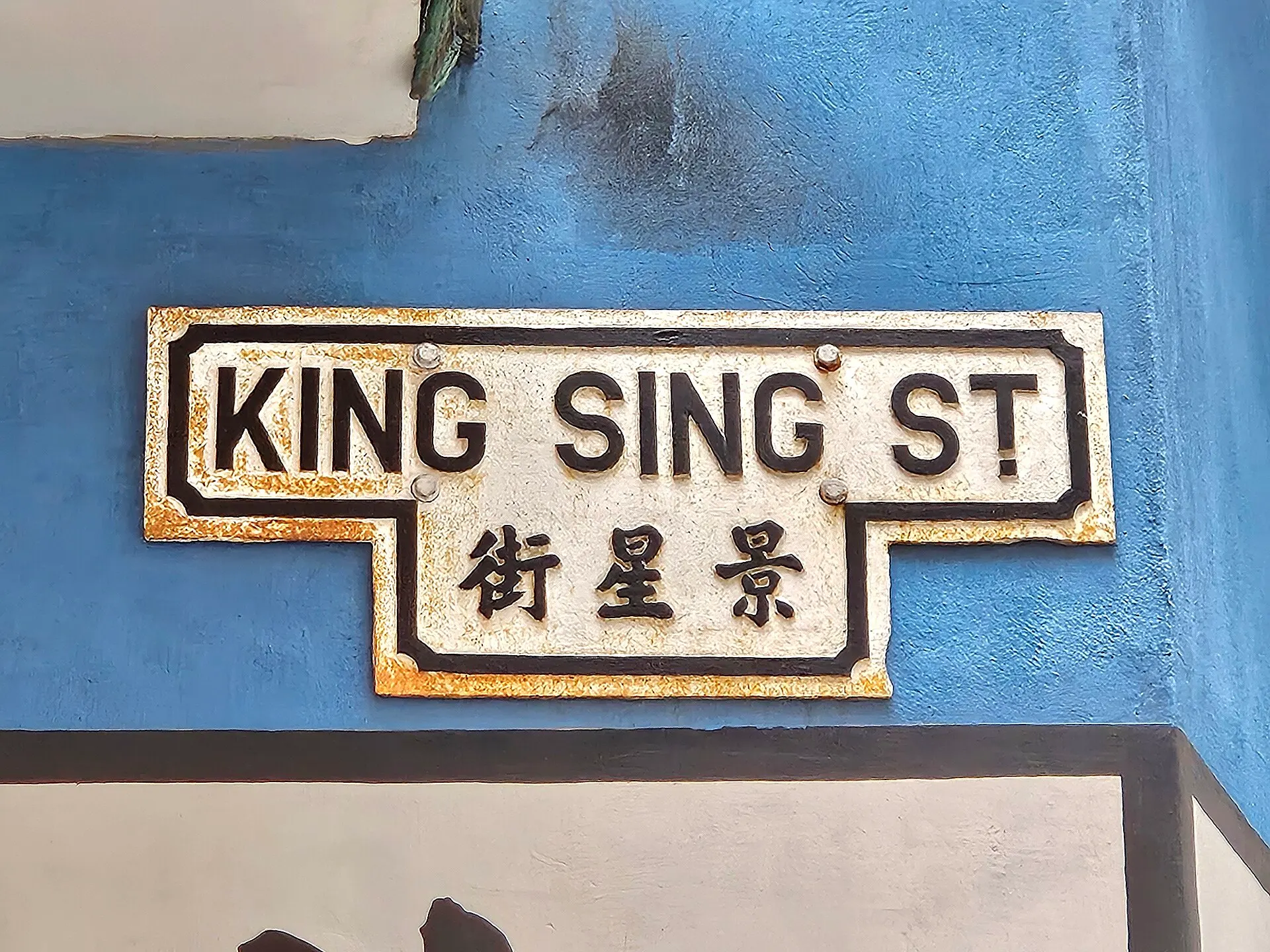
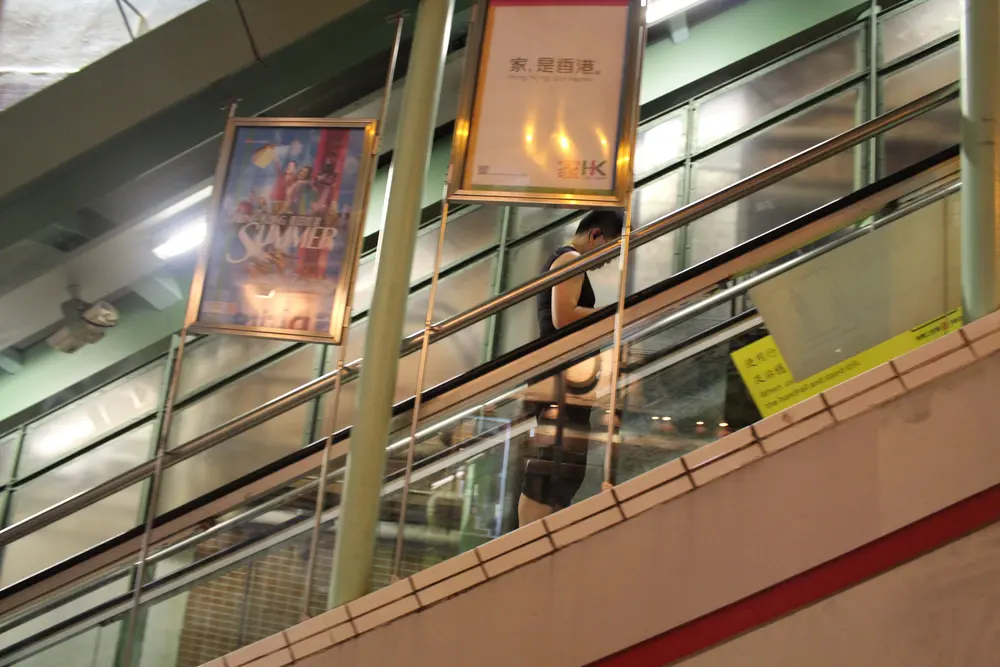
Hong Kong street signs are bilingual: English above, Chinese characters below.
Festival and everyday expressions
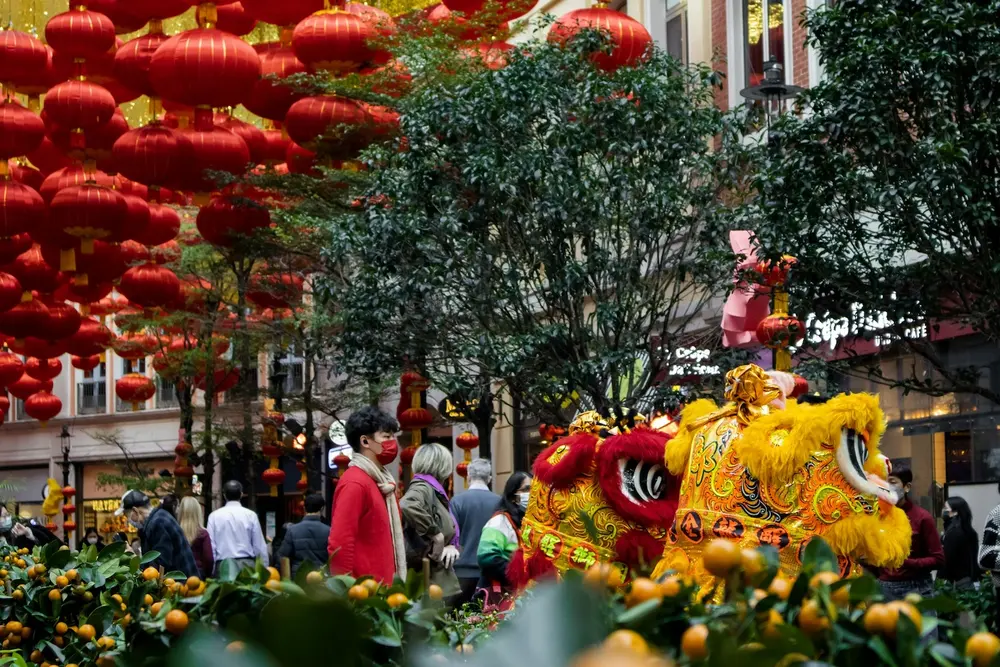
- 恭喜發財 gung1 hei2 faat3 coi4 – 'Wishing you prosperity', the Lunar New Year greeting (see Chinese New Year).
- 新年快樂 san1 nin4 faai3 lok6 – Happy New Year.
- 生日快樂 saang1 jat6 faai3 lok6 – Happy birthday.
- 飲勝! jam2 sing3! – Cheers! (literally 'drink to victory').
- 加油! gaa1 jau2! – Go for it! (cheering runners, students, friends).
- 唔緊要 m4 gan2 jiu3 – Never mind, it doesn't matter.
- 好正! hou2 zeng3! – Brilliant! / Excellent!
Learn by doing: culture classes
If you want to go beyond phrases, a class in a traditional pastime is a friendly way to hear Cantonese in use. Mahjong is played loudly all over Hong Kong; calligraphy teaches you how the characters are built. These classes are run by independent operators and described from their listing titles.
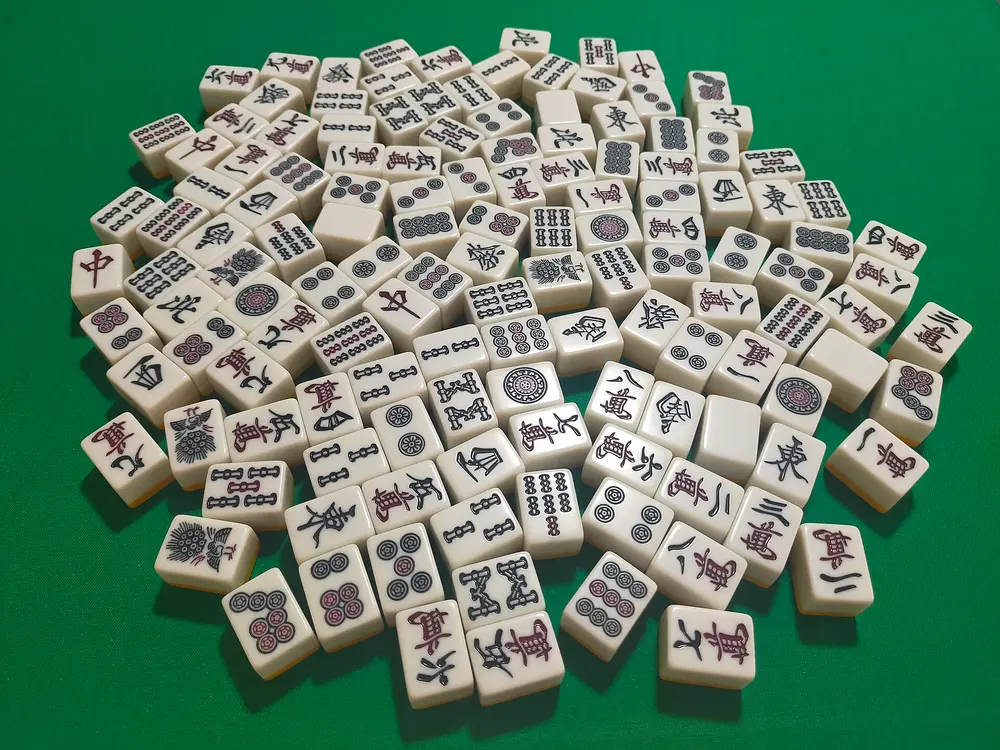
Learn to play mahjong
A lesson in Hong Kong mahjong, the tile game played across the city.
Check availabilityBook via GetYourGuide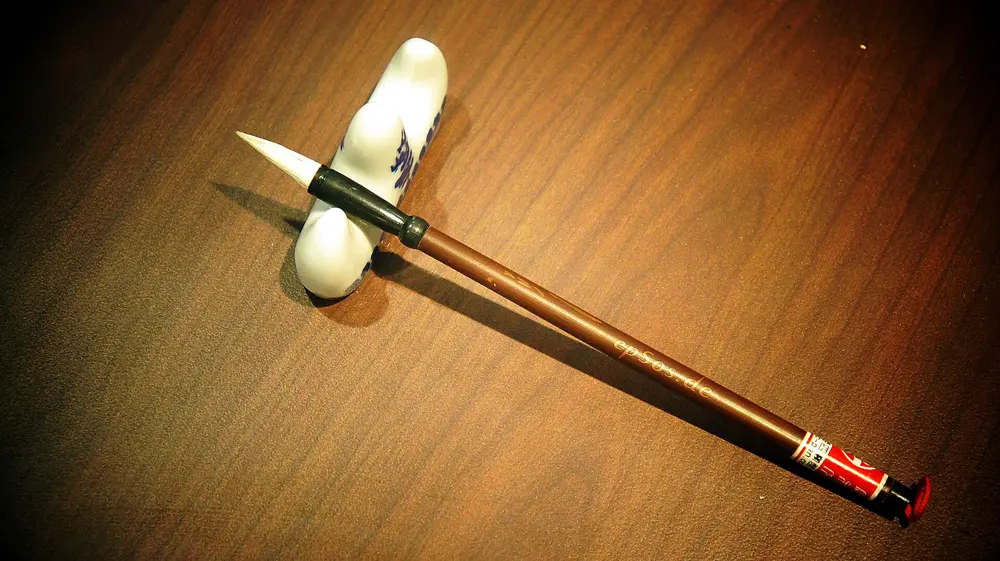
Chinese calligraphy class
An introductory Chinese calligraphy class with brush and ink.
Check availabilityBook via KlookTour listings are on GetYourGuide. Prices, times and cancellation terms are shown live on each listing and can change; HongKongTravel.com may earn a commission at no extra cost to you.
Frequently asked questions
Do people in Hong Kong speak Cantonese or Mandarin?
Cantonese is the everyday language of about 88% of residents. Mandarin (Putonghua) is widely understood and increasingly spoken, especially in shops, and English is an official language used on all public transport.
How do you say thank you in Cantonese?
M goi (唔該, m4 goi1) for a service – a waiter, a shop assistant, someone holding a door – and do ze (多謝, do1 ze6) for a gift, compliment or favour.
Can I get by in Hong Kong with English only?
Yes, in hotels, the MTR, airport, major shops and tourist areas. In small restaurants, markets and with some taxi drivers, a few Cantonese words, pointing and having addresses written in Chinese help a lot.
What is Jyutping?
The romanisation system for Cantonese created by the Linguistic Society of Hong Kong in 1993. It uses numbers 1–6 for the six tones, for example m4 goi1.
How do I ask for the bill in Cantonese?
Say 'm goi, maai daan' (唔該埋單, m4 goi1 maai4 daan1), or catch a waiter's eye and mime writing in the air.
Does Hong Kong use traditional or simplified Chinese?
Traditional Chinese characters, as in Taiwan and Macau. The mainland uses simplified characters.
Sources and official information
Facts were checked against these official sources in November 2026. Opening hours, fares and timetables change, so confirm before you go.
HongKongTravel.com is an independent guide, not the official site of the Hong Kong Tourism Board, the HKSAR Government or any operator. Some links are affiliate links: tours go to {tours} and hotels go to {hotels}, and we may earn a commission at no extra cost to you.