In short
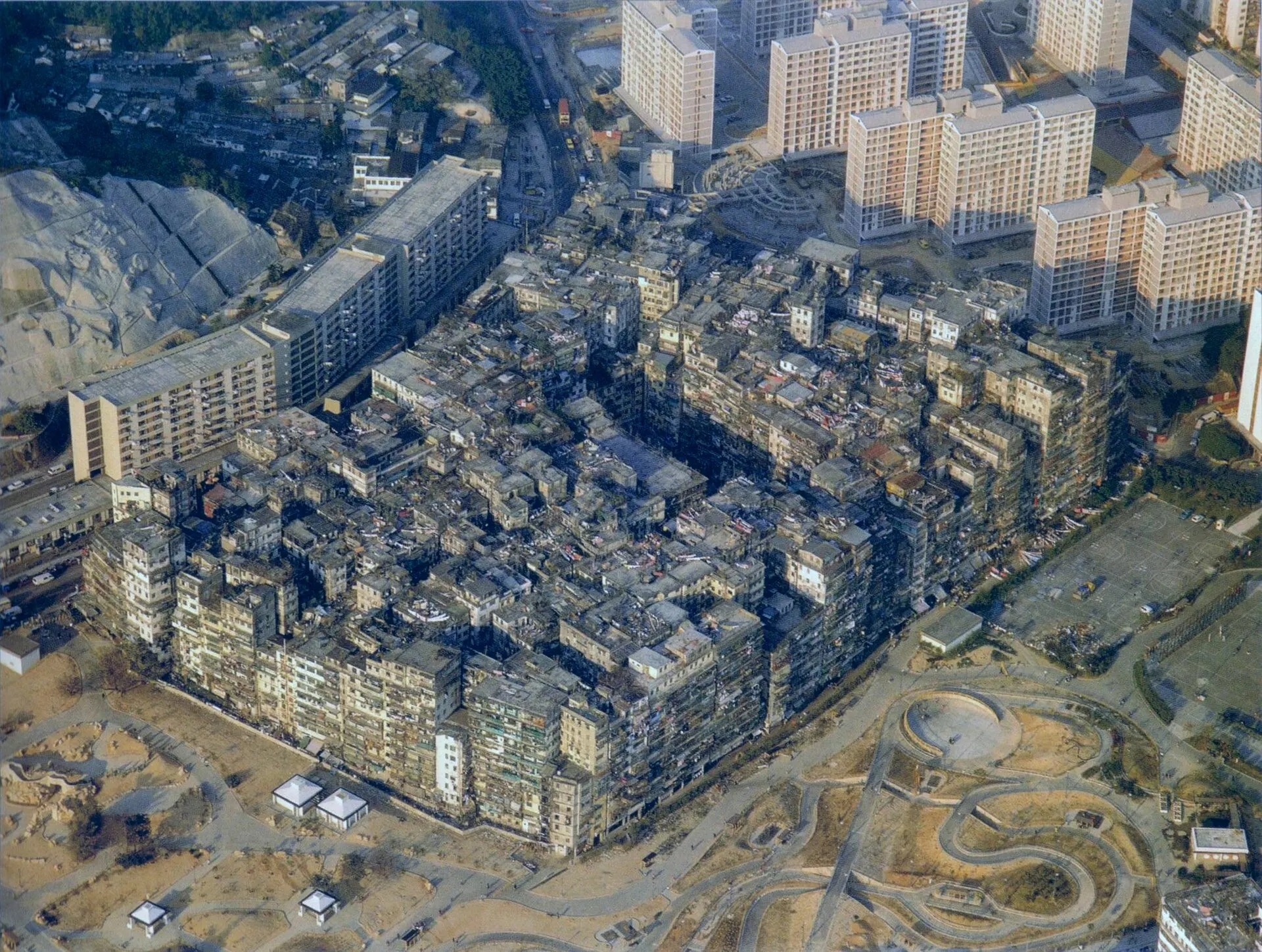
- Kowloon Walled City (九龍城寨) began as a Qing coastal fort, walled in 1847, and was left outside British control after 1899; it grew into a lawless, 2.6-hectare block of unauthorised high-rises with an estimated 33,000 residents by the late 1980s.
- Clearance was agreed with China in 1987; demolition ran from March 1993 to April 1994, and Kowloon Walled City Park opened on 22 December 1995.
- Today you can see the former Yamen (the only surviving building), the South Gate foundations, old cannons and a model of the city – all free.
- Sets from the 2024 hit Twilight of the Warriors: Walled In are displayed free in the park (exhibition opened 24 May 2025).
- The Walled City has a strong following in Japan (九龍城砦) through photobooks, games and the 2025 anime Kowloon Generic Romance. Nearby Kowloon City is famous for Thai food.
Kowloon Walled City timeline
- Song dynasty
Salt and coast
Imperial officials manage salt production on the Kowloon coast; the area is used by officials from at least the 15th century.
- 1668
First fortification
A signal station is set up on the site.
- 1846–1847
The walls
After Britain takes Hong Kong Island, the Qing builds a walled garrison town of about 6.5 acres with six watchtowers and four gates, finished on 31 May 1847.
- 1898–1899
Left behind
The New Territories are leased to Britain but Chinese officials stay in the Walled City; British troops expel them in 1899. China never gives up its claim, so neither side governs it.
- 1941–1945
Walls torn down
Japanese occupiers demolish the walls and use the stone to extend Kai Tak airfield.
- 1950s–1980s
City of darkness
Refugees and squatters build unauthorised tenements up to 14 storeys; drug dens, gambling, unlicensed dentists and food factories flourish alongside schools and temples.
- 1987
Clearance announced
With Beijing's agreement, the Hong Kong government decides to clear the city and build a park; residents are rehoused and compensated.
- Mar 1993 – Apr 1994
Demolition
The buildings are pulled down; excavations uncover the South Gate plaques and wall foundations.
- 22 Dec 1995
Park opens
Governor Chris Patten opens Kowloon Walled City Park, a 31,000 m² garden in early-Qing Jiangnan style.
- 2024–2025
Back on screen
Twilight of the Warriors: Walled In (May 2024) becomes Hong Kong's most-watched local film; its sets go on show in the park from 24 May 2025.
How a fort became the densest place on earth
The site was a minor Chinese military post overlooking Kowloon Bay until the British took Hong Kong Island in 1841. In response, the Qing built a stone-walled garrison town between November 1846 and May 1847: about 6.5 acres, with walls roughly 4.5 metres wide and 4 metres high, six watchtowers and four gates. Inside stood the Yamen – the offices of the Dapeng Brigade commodore and the Kowloon assistant military inspector – and barracks for some 250 to 500 soldiers.
When the New Territories were leased to Britain in 1898, the convention allowed Chinese officials to remain in the Walled City. Within a year British troops expelled them, but China never accepted the loss, and the British never fully asserted control. The result was a jurisdictional gap: for most of the 20th century, Hong Kong police and building inspectors rarely entered, and Chinese officials could not.
During the Japanese occupation the walls were torn down for stone to lengthen Kai Tak's runway. After 1945, refugees from the mainland crowded in, and from the 1950s builders put up tenements without permits, plans or proper foundations, joined so tightly that you could cross the city on its rooftops. Height was capped at about 14 storeys only because aircraft on the Kai Tak approach flew directly overhead.
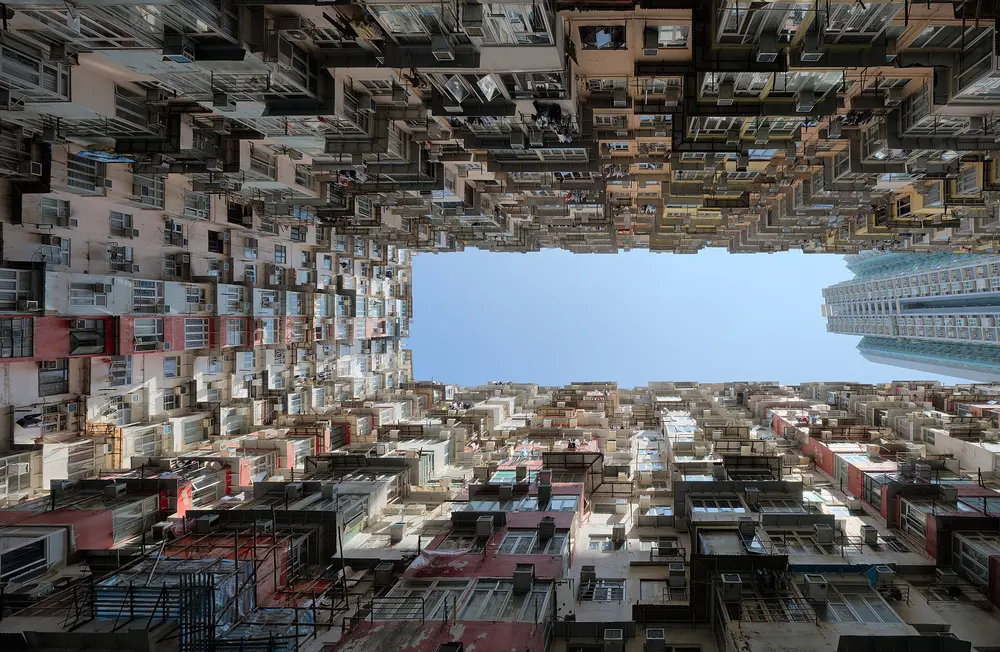
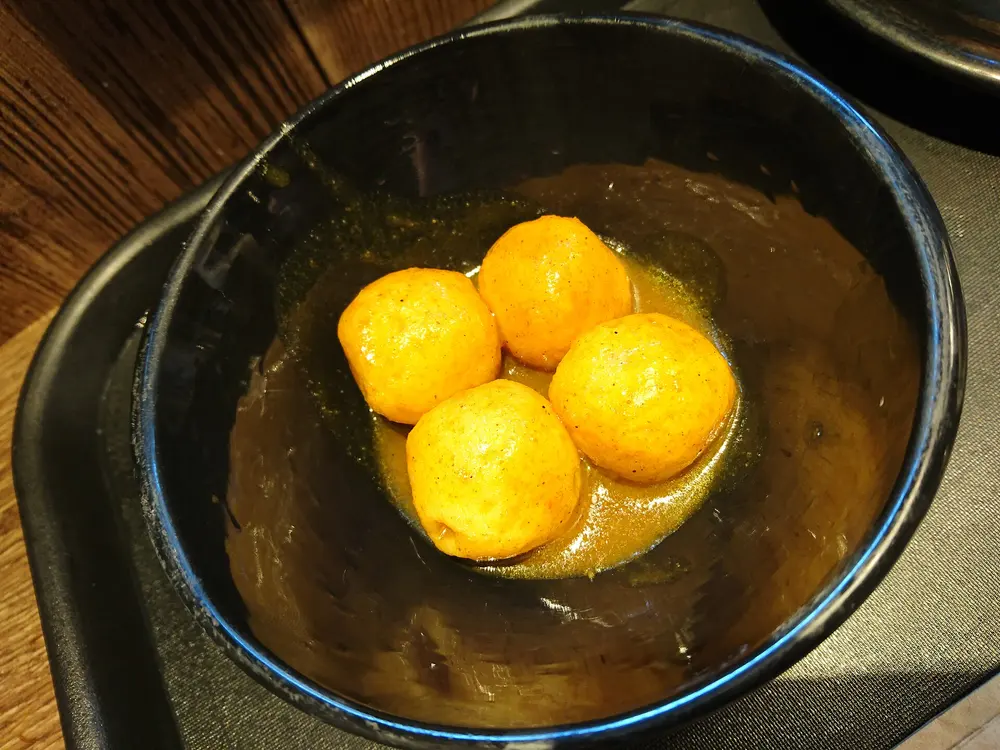
By the late 1980s a government survey estimated about 33,000 people in some 350 interconnected buildings on 2.6 hectares – one of the highest population densities ever recorded. Many photographs of the period show a dark maze of alleys under dripping water pipes, lit by fluorescent tubes. Life was harder to summarise: triad gambling and opium dens in the 1950s–70s gave the city its reputation, but it also held homes, schools, temples, factories making fish balls and noodles, and dentists and doctors who practised without Hong Kong licences.
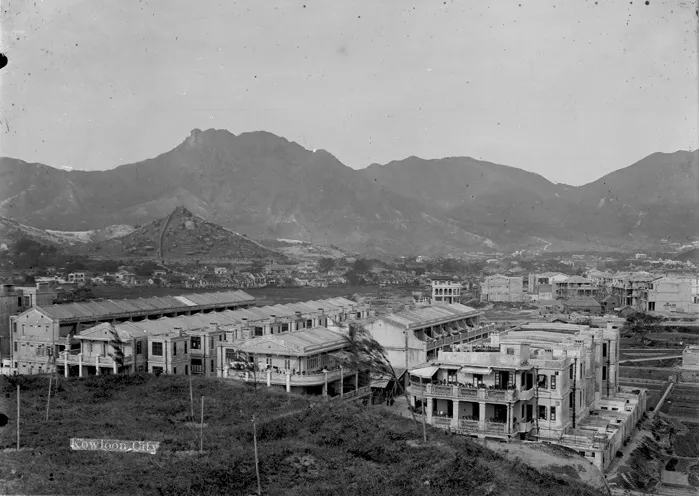
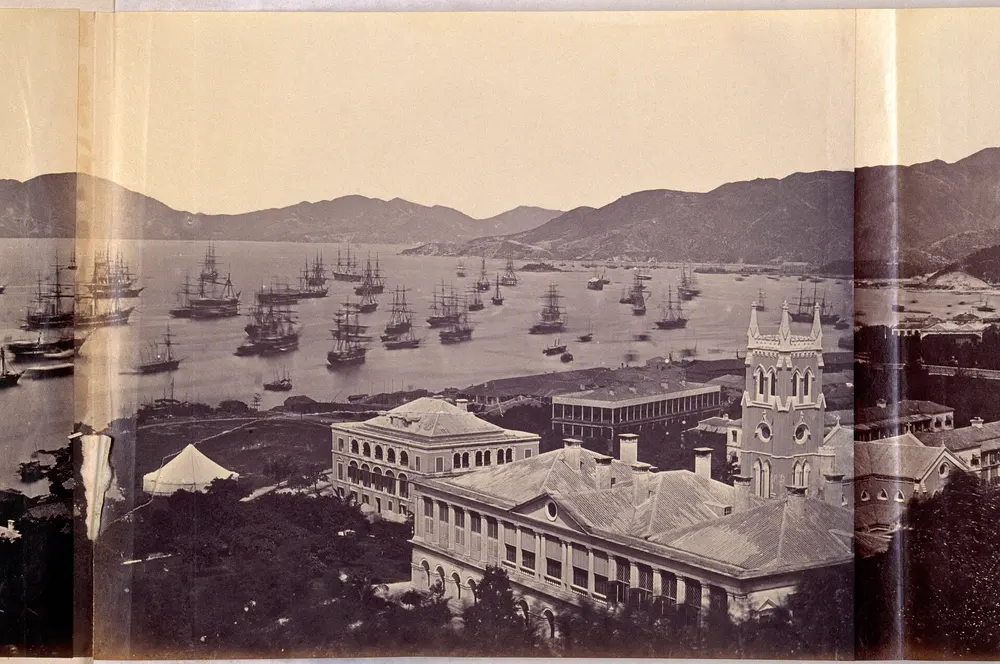
Kowloon City in the 1930s, when the old walls still stood.
Clearance and demolition, 1987–1994
After the 1984 Joint Declaration settled Hong Kong's future, Britain and China agreed that the Walled City should go. On 14 January 1987 the Hong Kong government announced that it would clear the site and build a park. Residents and businesses were compensated and rehoused, though many resisted the amounts offered, and the last occupants were moved out in 1992.
Demolition began in March 1993 and was completed in April 1994. Excavations then revealed the foundations of the walls and the South Gate, two granite plaques reading 'South Gate' (南門) and 'Kowloon Walled City' (九龍寨城), cannons, stone lintels and the flagstone path that once ran through the town. Construction of the park took from May 1994 to August 1995; it opened on 22 December 1995.
Kowloon Walled City Park today
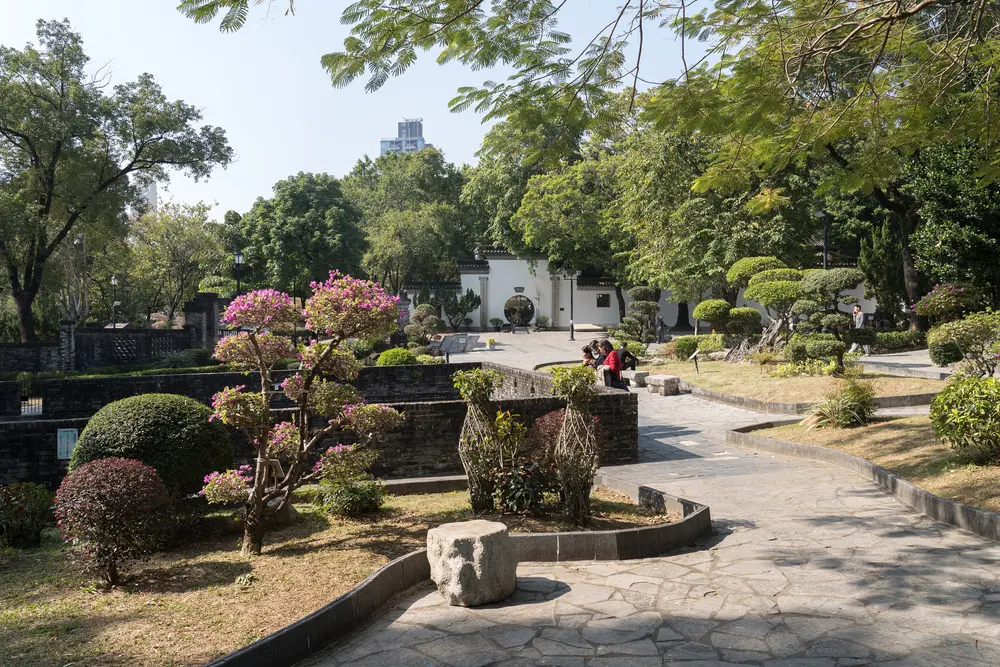
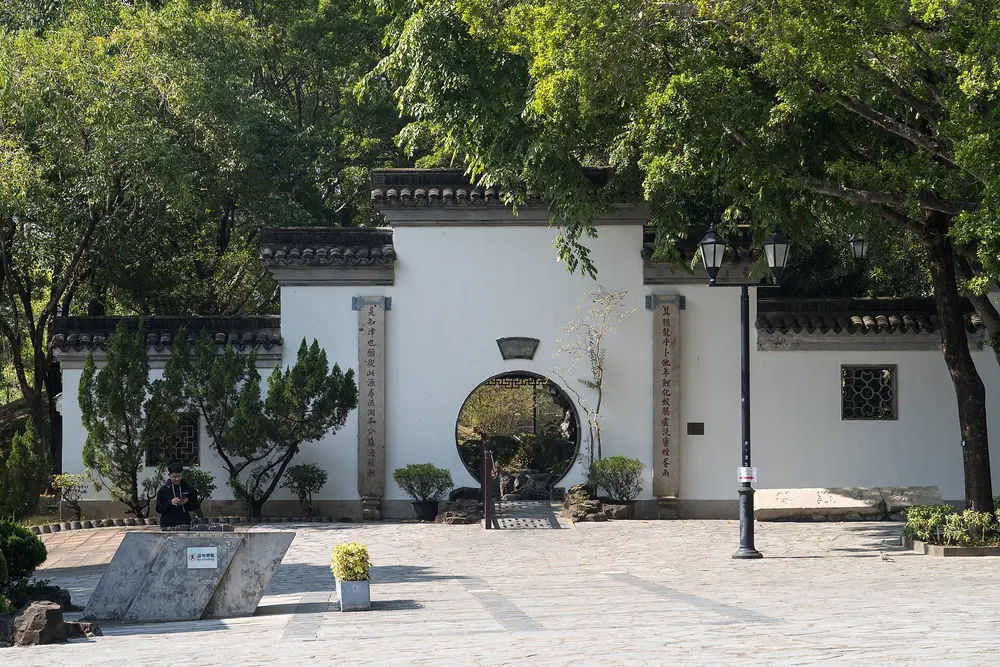
Kowloon Walled City Park (九龍寨城公園) is a calm 31,000 m² garden in the style of the early Qing dynasty's Jiangnan gardens, divided into eight landscaped zones with pavilions, moon gates, bonsai and a zodiac garden. It is free and open daily from early morning until late evening (LCSD).
What remains of the old city:
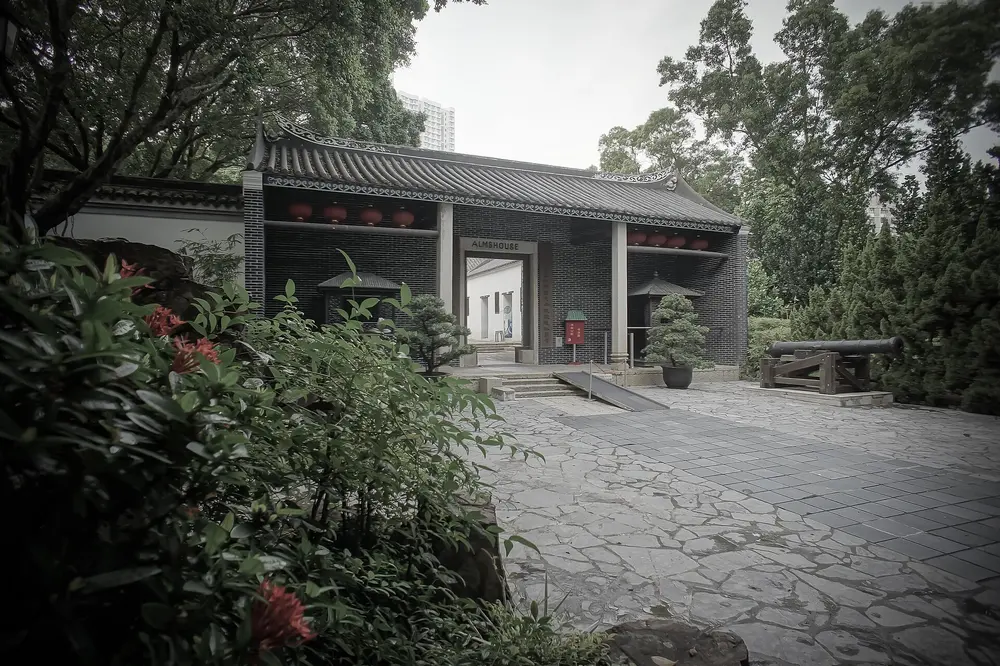
- The Former Yamen (衙門) – the only building that survived demolition, a declared monument, now housing six exhibition rooms on the Walled City's history (opened in 2009).
- The South Gate remnants – excavated foundations and the two granite plaques, displayed where they were found.
- Wall foundations, cannons and the old flagstone path at the outdoor display area.
- A bronze model of the Walled City as it stood before demolition, the best way to grasp its scale.
From 24 May 2025 the park has also hosted 'Kowloon Walled City: A Cinematic Journey', an exhibition of sets and props from Twilight of the Warriors: Walled In, described by HKTB as the city's largest film-set exhibition. Entry is free with timed tickets from the counter in front of the Yamen; the Leisure and Cultural Services Department lists it as open daily from 9 am to 7 pm until 23 May 2028 (checked November 2026). Using the 'City in Time' app, you can watch film clips at AR markers in the park and on Carpenter Road.
Why Japan loves the Walled City
The Kowloon Walled City (in Japanese 九龍城砦, Kūron-jō-sai) has a devoted following in Japan. Photobooks published around the time of its demolition, including City of Darkness by Greg Girard and Ian Lambot (1993), made it an icon of cyberpunk design. It inspired settings in video games and anime – Kawasaki's 'Warehouse' amusement arcade, which recreated its alleys, drew visitors until it closed in 2019 – and Jun Mayuzuki's manga Kowloon Generic Romance (九龍ジェネリックロマンス), set in a fictional Walled City, was adapted into a TV anime broadcast from April to June 2025 and a live-action film the same year. Twilight of the Warriors: Walled In was also released in Japan, where it became a hit for a Hong Kong film.
For visitors arriving with those images in mind, the park can be a surprise: there are no tower blocks left, only gardens, the Yamen and the model. The film-set exhibition is the closest you can now get to the old atmosphere. For real high-density architecture, see photo spots such as Quarry Bay's Monster Building.
Kai Tak: when planes flew over the rooftops
Until 6 July 1998, aircraft landing at Kai Tak made a famous low right turn over Kowloon City, passing so close above the rooftops that residents could read the airline logos. The Walled City sat directly beneath the approach. The airport moved to Chek Lap Kok, and the old runway is now the Kai Tak Cruise Terminal, a runway park and, since 2025, Kai Tak Sports Park, home of the Hong Kong Sevens. The free Sung Wong Toi Garden nearby holds the inscribed boulder commemorating the last Song emperors (see history).
Eat in Kowloon City
Kowloon City (九龍城) is one of Hong Kong's best food districts and is known as 'Little Thailand': Thai restaurants, grocers and dessert shops cluster on South Wall Road, Nga Tsin Wai Road and Kai Tak Road, a few minutes from the park, reflecting a Thai community that settled here from the 1950s. You will also find Chiu Chow (Teochew) braised goose and seafood, old-style bakeries and the Kowloon City Municipal Services Building, whose wet market and cooked-food centre upstairs are full of locals at lunch.
Tip: Thai restaurants here open for lunch and dinner and get packed on weekend evenings; go early or late. More in our Kowloon City hub and street food guide.
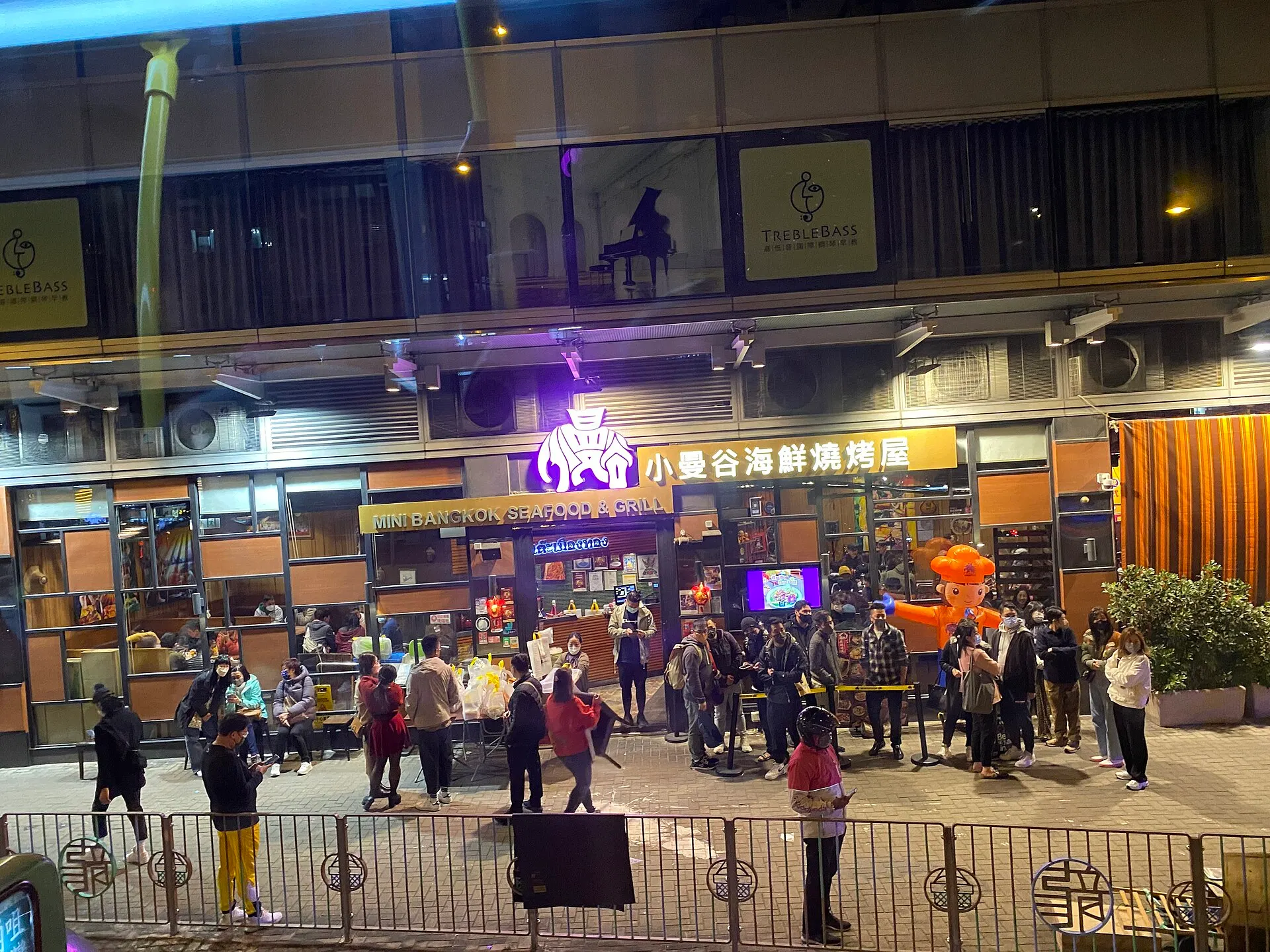
Thai restaurants line the streets of Kowloon City, known as Little Thailand.
How to get there
- Address
- Tung Tsing Road, Kowloon City
- MTR
- Sung Wong Toi (Tuen Ma line), about 10 minutes' walk; or Lok Fu (Kwun Tong line) plus a short bus or taxi ride
- Admission
- Free – park, Yamen exhibition and film-set exhibition
- Time needed
- 1–1.5 hours for the park and exhibitions; add lunch in Kowloon City
- Combine with
- Wong Tai Sin Temple and Chi Lin Nunnery (15 minutes by bus or taxi); Kai Tak's waterfront
Tours that include the Walled City
The park is easy to visit alone, but a guided tour can link it with Wong Tai Sin Temple and Chi Lin Nunnery in one outing. The tour below is run by an independent operator and described from its listing title.
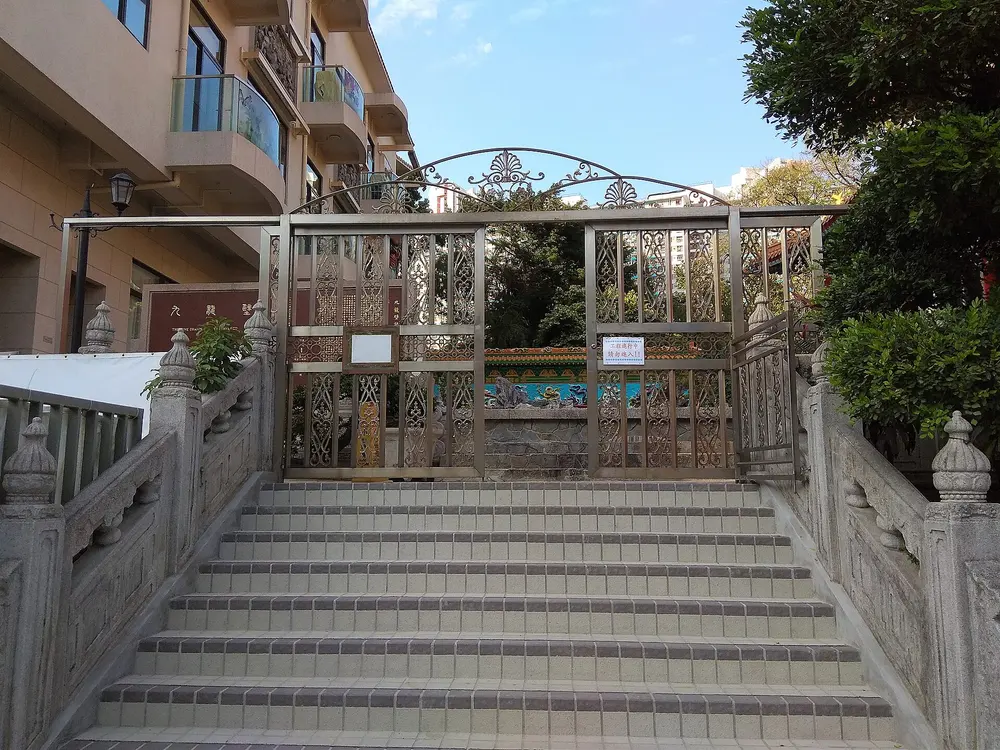
Kowloon Walled City, Wong Tai Sin and Chi Lin tour
Kowloon Walled City Park, Wong Tai Sin Temple and Chi Lin Nunnery in one guided outing.
Check availabilityBook via GetYourGuideTour listings are on GetYourGuide. Prices, times and cancellation terms are shown live on each listing and can change; HongKongTravel.com may earn a commission at no extra cost to you.
Frequently asked questions
Does the Kowloon Walled City still exist?
No. The buildings were demolished between March 1993 and April 1994. The site is now Kowloon Walled City Park, which preserves the former Yamen, the South Gate foundations and other relics.
How many people lived in Kowloon Walled City?
A government survey before clearance estimated about 33,000 residents on 2.6 hectares (6.5 acres); some estimates were higher. It is often called the most densely populated place on earth.
Why was Kowloon Walled City lawless?
Under the 1898 lease, Chinese officials were allowed to stay; Britain expelled them in 1899 but China kept its claim, so neither government effectively ran the enclave for most of the 20th century.
Is Kowloon Walled City Park free?
Yes. The park, the Yamen exhibition and the Twilight of the Warriors film-set exhibition are all free.
How do I get to Kowloon Walled City Park?
Take the MTR Tuen Ma line to Sung Wong Toi and walk about 10 minutes, or take a bus or taxi from Lok Fu or Wong Tai Sin.
Where can I see the Twilight of the Warriors set?
In Kowloon Walled City Park, in the exhibition 'Kowloon Walled City: A Cinematic Journey', which opened on 24 May 2025 and runs until 23 May 2028 (daily 9 am–7 pm, free timed tickets; LCSD, checked November 2026).
Sources and official information
Facts were checked against these official sources in November 2026. Opening hours, fares and timetables change, so confirm before you go.
- lcsd.gov.hk
- lcsd.gov.hk
- discoverhongkong.com
- thestandard.com.hk
- scmp.com
- animenewsnetwork.com
- en.wikipedia.org
HongKongTravel.com is an independent guide, not the official site of the Hong Kong Tourism Board, the HKSAR Government or any operator. Some links are affiliate links: tours go to {tours} and hotels go to {hotels}, and we may earn a commission at no extra cost to you.